Lebanon seeks US guarantee for ceasefire talks as Israel-Hezbollah tensions rise
Lebanon is seeking U.S. guarantees for a temporary ceasefire to facilitate broader talks with Israel, following Israeli Prime Minister Benjamin Netanyahu's order for direct negotiations. Despite a fragile U.S.-Iran ceasefire, Israel continues strikes in Lebanon, leading to significant casualties and international concern. The scope of the U.S.-Iran ceasefire, particularly regarding Lebanon and Hezbollah, remains a point of contention.
Key Highlights
- Lebanon seeks US mediation and guarantees for ceasefire talks.
- Netanyahu orders direct negotiations with Lebanon to disarm Hezbollah.
- Israeli strikes in Lebanon continue, causing casualties and straining a U.S.-Iran ceasefire.
- Disagreement persists on whether the U.S.-Iran ceasefire includes Lebanon and Hezbollah.
- International community urges restraint as diplomatic efforts intensify.
Lebanon is actively seeking United States' involvement as a mediator and guarantor for a temporary ceasefire to enable broader diplomatic discussions with Israel. This move comes after Israeli Prime Minister Benjamin Netanyahu ordered his cabinet to initiate direct negotiations with Lebanon, aiming to disarm the militant group Hezbollah and establish peaceful relations between the two nations.
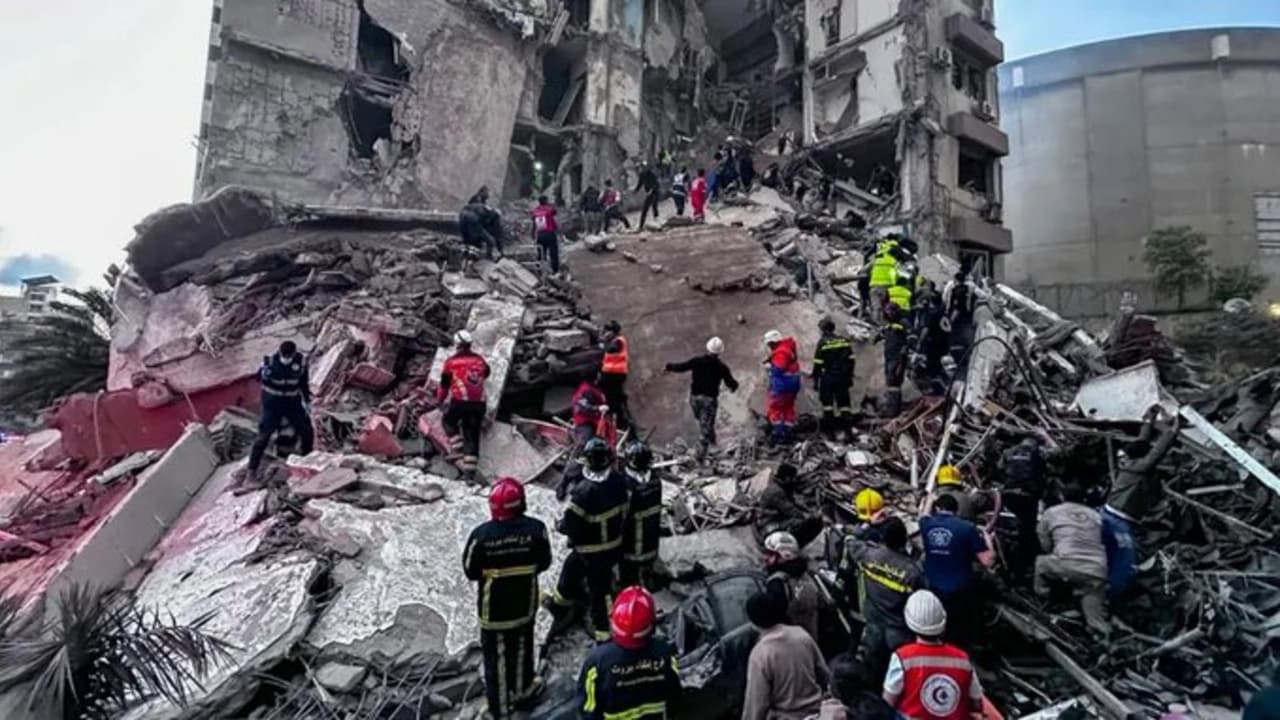
Despite a recently announced fragile two-week ceasefire between the U.S. and Iran, tensions remain high due to ongoing Israeli airstrikes in Lebanon. These strikes have resulted in significant casualties, with Lebanon's health ministry reporting at least 203 people killed and over 1,000 wounded on Wednesday alone, marking the deadliest single day of the renewed conflict. This has led to strong condemnations from Iran, which views these actions as a "flagrant violation" of the ceasefire agreement.
The core of the dispute lies in the interpretation of the U.S.-Iran ceasefire's scope. While Iran and mediator Pakistan assert that the ceasefire includes Lebanon, both the U.S. and Israel maintain that it does not. This differing perspective has led to continued Israeli military operations in Lebanon, described by Israel as targeting Hezbollah, while Iran warns of "STRONG responses" to any perceived violations.
Israeli Prime Minister Benjamin Netanyahu, while authorizing direct talks, has explicitly stated that there is "no ceasefire in Lebanon" and that Israel will continue to strike Hezbollah until security is restored in northern Israel. The negotiations, slated to be hosted by the U.S. State Department in Washington next week, are expected to focus on Hezbollah's disarmament and the formalization of peaceful relations between Israel and Lebanon. The U.S. has confirmed it will host these discussions, with a senior Lebanese official indicating that Lebanon requires the U.S. as a mediator and guarantor for any agreement.
However, Hezbollah has rejected any direct negotiations between Lebanon and Israel, with a Hezbollah lawmaker reiterating the group's stance and calling for adherence to a ceasefire as a precondition for further steps. This complicates the diplomatic landscape as the region navigates the delicate balance between de-escalation and ongoing hostilities.
The conflict's implications extend beyond the immediate participants. The closure and potential reopening of the Strait of Hormuz, a critical global oil chokepoint, continues to be a significant factor influencing global energy markets and economic stability. India, in particular, faces potential economic impacts from any sustained disruption, including rising crude oil prices, inflation, and supply chain disruptions, though it is considered relatively insulated compared to many other economies. The safety of millions of Indian nationals living in Gulf countries also remains a concern.
Internationally, there are calls for restraint and respect for the ceasefire to allow diplomacy to take the lead. The United Nations has also warned that the fighting in Lebanon poses a "grave risk" to the fragile ceasefire. The situation remains dynamic, with ongoing diplomatic efforts attempting to manage the conflict and prevent further escalation.
The Indian Express, the source of the article, is a reputable Indian newspaper known for its independent journalism. While it is generally rated as having high factuality, some analyses indicate a left-center bias. The reporting on this story appears to be factual and aligns with reports from other international news organizations, corroborating the key claims about the diplomatic initiatives and the ongoing conflict in Lebanon.
Frequently Asked Questions
Why is Lebanon seeking a temporary ceasefire?
Lebanon is seeking a temporary ceasefire to allow for broader diplomatic talks with Israel, aiming to de-escalate the conflict and create a conducive environment for negotiations.
What is the main objective of the direct talks ordered by Netanyahu?
Prime Minister Benjamin Netanyahu has ordered direct negotiations with Lebanon with the primary objectives of disarming Hezbollah and establishing peaceful relations between the two countries.
Why is the U.S.-Iran ceasefire considered fragile?
The U.S.-Iran ceasefire is considered fragile due to ongoing Israeli strikes in Lebanon, significant casualties, and a fundamental disagreement between Iran and Israel/U.S. on whether the ceasefire includes Lebanon and Hezbollah.
What is the significance of the Strait of Hormuz in this conflict?
The Strait of Hormuz is a critical global chokepoint for oil transportation. Its closure or potential closure by Iran has significant implications for global energy markets and the overall stability of the conflict.
How does this conflict impact India?
India faces potential economic repercussions, including rising oil prices, inflation, and supply chain disruptions. The safety of millions of Indian nationals residing in Gulf countries is also a concern.