Middle East Erupts: Iran Retaliates Against US-Israel Strikes
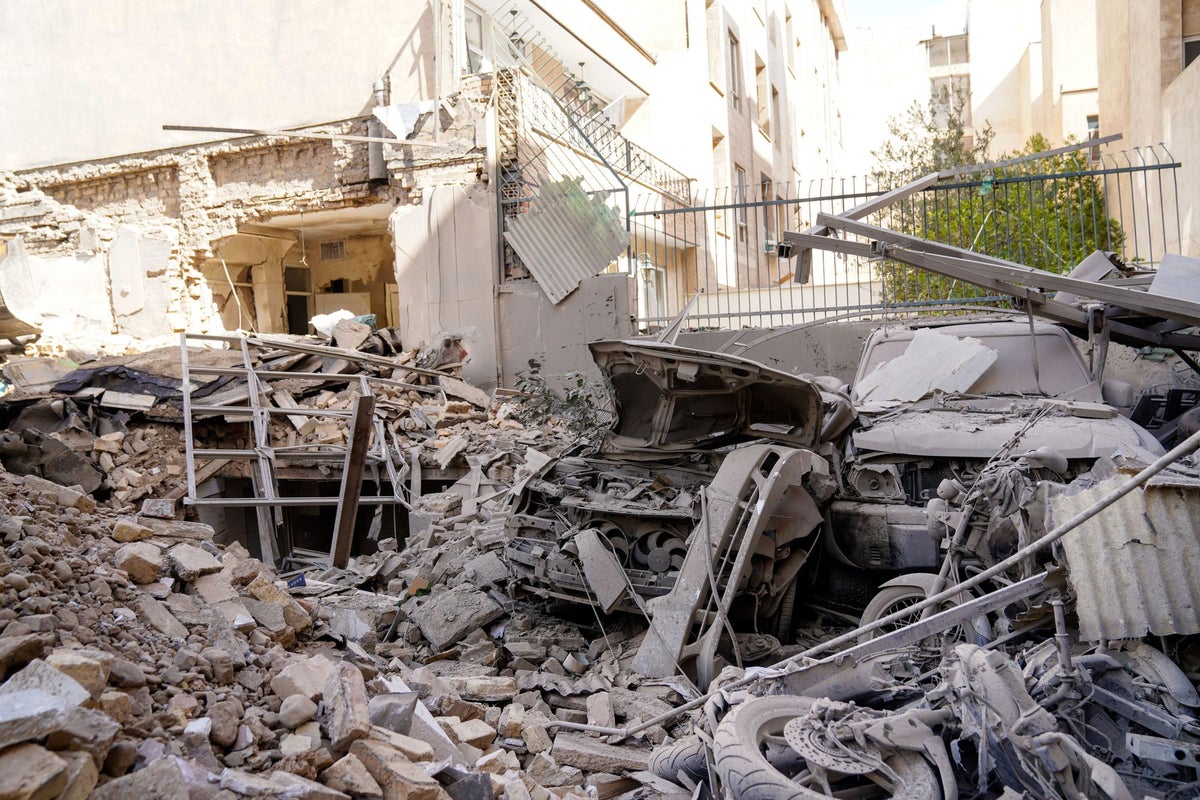
The Middle East faces a severe escalation as Iran launches missile and drone attacks on Israel, UAE, and Kuwait in retaliation for joint US-Israeli strikes on Iranian targets. The unprecedented conflict has triggered widespread alerts and caused damage across the region.
Key Highlights
- Joint US-Israel strikes initiated major conflict in Iran.
- Iran retaliated with missile and drone attacks across region.
- Sirens blared in Israel; airports in UAE and Kuwait hit.
- One civilian death reported in Abu Dhabi from debris.
- Escalation raises fears of broader Middle East regional war.
- International calls for de-escalation amid ongoing hostilities.
The Middle East is experiencing a critical escalation of conflict following joint military strikes by the United States and Israel against targets within Iran on February 28, 2026. This coordinated operation, reportedly codenamed "Roaring Lion" by Israel and "Operation Epic Fury" by the U.S., aimed at neutralizing perceived threats and dismantling Iranian security apparatus. The attacks reportedly targeted key officials, military commanders, and facilities across Iran, with some reports even suggesting that the office complex of Supreme Leader Ali Khamenei in central Tehran was hit, though his whereabouts at the time were unconfirmed.
In immediate and widespread retaliation, Iran's Islamic Revolutionary Guard Corps (IRGC) launched multiple waves of missile and drone attacks across the Persian Gulf region, directly targeting Israel and several U.S. military installations in allied Gulf states. This unprecedented Iranian response brought the conflict to numerous countries, triggering air raid sirens and emergency protocols.
In Israel, air raid sirens blared across northern regions and even in Jerusalem on Saturday morning, signaling incoming Iranian missiles. Israeli air defense systems were activated to intercept projectiles, preparing the public for potential impacts. Despite the widespread alerts, no fatalities were immediately reported in Israel.
The United Arab Emirates (UAE) experienced significant impacts, with explosions reported in both Abu Dhabi and Dubai. State media confirmed one civilian fatality in Abu Dhabi due to falling debris from an intercepted Iranian missile. Drone attacks caused damage to facilities at Dubai International (DXB) and Zayed International (AUH) airports, leading to injuries among airport staff and operational suspensions.
Kuwait also faced direct attacks, with its military confirming that it dealt with missiles in its airspace. Crucially, a drone strike hit Kuwait International Airport (KWI), damaging Terminal 1 and causing minor injuries to several airport employees. Emergency response teams were deployed, and authorities initiated assessment and treatment operations, while the incident disrupted airport operations and led to broader airspace closures across the region.
Other Gulf nations were also caught in the crossfire. Bahrain activated air-raid sirens as Iranian attacks targeted U.S. military bases, with explosions and smoke reported in Manama, and confirmation that the U.S. Fifth Fleet headquarters was a target. Qatar's air defenses intercepted an Iranian missile, with a government official confirming the use of U.S.-made Patriot systems. Jordan's military reported shooting down two ballistic missiles, and explosions were also heard in Riyadh, Saudi Arabia.
U.S. President Donald Trump confirmed the U.S. role in the strikes, describing them as "major combat operations" and urging the Iranian people to "seize control of your destiny" and rise against the Islamic leadership. Israeli Prime Minister Benjamin Netanyahu echoed similar sentiments, emphasizing the joint operation's goal to enable the Iranian people to take their fate into their own hands.
This dramatic escalation follows a period of heightened tensions. Iran has consistently vowed "harsh revenge" for the January 2020 U.S. drone strike that killed Major General Qassem Soleimani, commander of the IRGC's Quds Force. While the immediate retaliatory attacks in 2020 focused on U.S. bases in Iraq, Iranian officials have reiterated their commitment to further steps against those involved in Soleimani's assassination.
The current series of strikes marks a significant widening of the conflict, with Iran explicitly targeting U.S. military installations across multiple Gulf states, an action it had largely avoided in previous periods of tension. The scale and coordination of these attacks, along with the involvement of U.S. and Israeli forces, have raised severe concerns about the potential for a prolonged and broader regional conflict with grave consequences for civilian populations and regional stability. International bodies, including the UN, have called for an immediate cessation of hostilities.
The immediate aftermath saw extensive airspace closures across the Gulf, leading to major flight disruptions and impacting global air travel. The economic repercussions, particularly for oil markets and trade routes through the Strait of Hormuz, are expected to be substantial. The situation remains highly volatile, with both sides indicating a readiness for continued confrontation, creating a critical geopolitical crisis in the Middle East.
Frequently Asked Questions
What triggered the latest escalation in the Iran-US conflict?
The recent escalation was triggered by joint military strikes launched by the United States and Israel against various targets within Iran on February 28, 2026, which were aimed at neutralizing perceived threats and dismantling Iran's security apparatus.
Which countries were directly affected by Iran's retaliatory attacks?
Iran's retaliatory missile and drone attacks directly affected Israel, the UAE (Abu Dhabi, Dubai), Kuwait, Bahrain, Qatar, Jordan, and Saudi Arabia. These attacks targeted both military installations and civilian infrastructure, including international airports.
What kind of damage and casualties have been reported?
Reports indicate one civilian fatality in Abu Dhabi, UAE, due to falling debris from an intercepted missile, and multiple injuries among airport staff in Kuwait. Drone attacks damaged facilities at Dubai International and Kuwait International airports.
What are the broader implications of this conflict for the Middle East?
The conflict carries significant implications, including the risk of a wider regional war, potential disruptions to global oil markets and trade routes through the Strait of Hormuz, and further destabilization of an already volatile region. International calls for de-escalation have been issued.
How does this recent conflict relate to past Iran-US tensions?
While distinct, this conflict is rooted in long-standing tensions, including Iran's vow of 'harsh revenge' for the 2020 US assassination of Major General Qassem Soleimani. The current retaliation represents a significant widening of Iran's direct engagement beyond previous limited responses.