Israel and Lebanon Agree to Ceasefire with Hezbollah Exclusion Zones
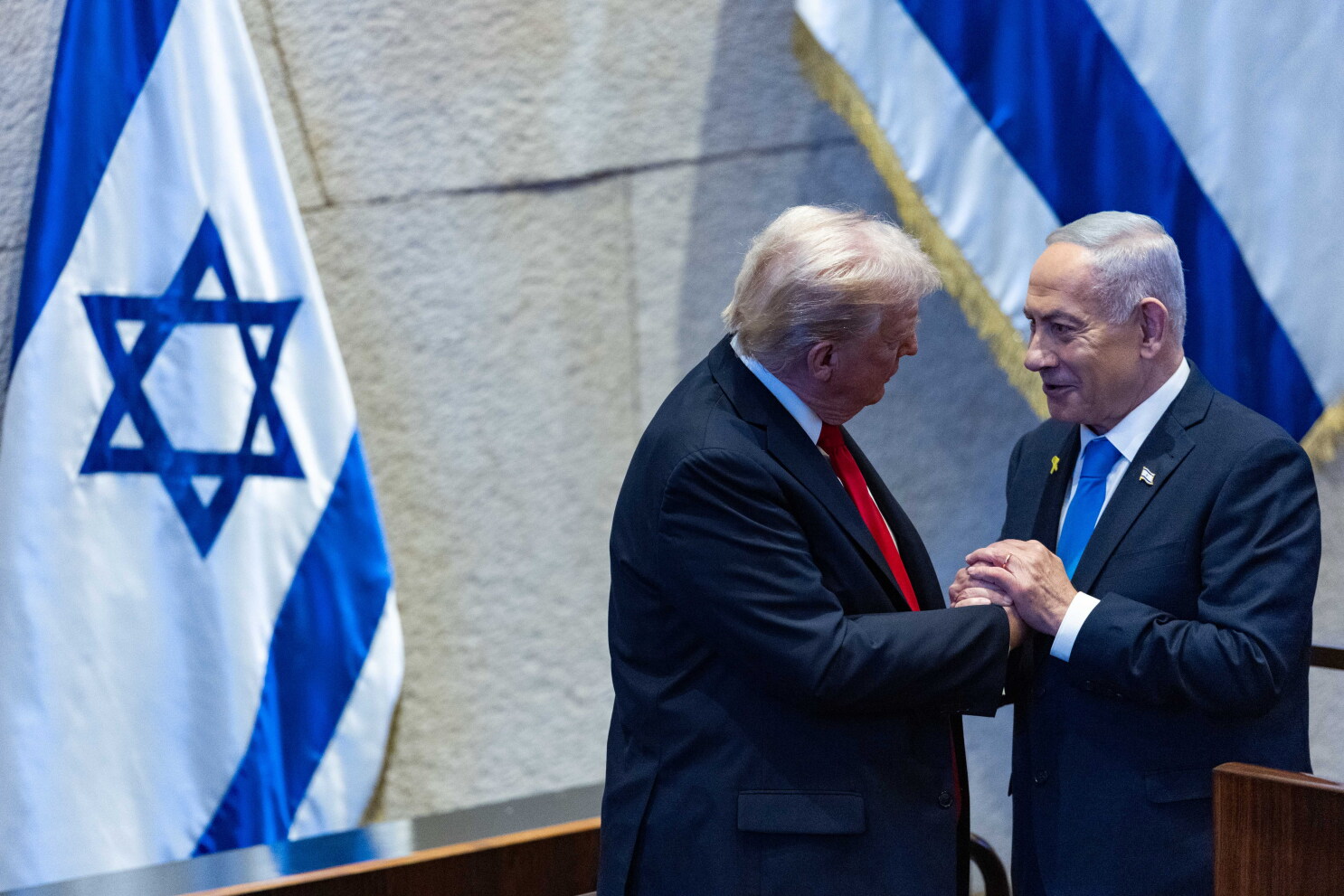
Israel and Lebanon have agreed to renew a fragile ceasefire, mediated by the US, which is contingent on Hezbollah halting all attacks and withdrawing from southern Lebanon. The deal also establishes "pilot" security zones where the Lebanese army will have exclusive control, excluding non-state actors. This development is part of ongoing efforts to de-escalate tensions in the wider West Asia conflict, with implications for US-Iran negotiations.
Key Highlights
- Israel and Lebanon agree to renewed ceasefire.
- Hezbollah must cease all attacks and withdraw from southern Lebanon.
- New 'pilot' security zones to be controlled by the Lebanese army.
- US-mediated talks aim for comprehensive peace.
- Tensions remain high despite the ceasefire agreement.
In a significant development aimed at de-escalating regional tensions, Israel and Lebanon have agreed to renew a fragile ceasefire. The agreement, brokered through a fourth round of US-mediated talks at the State Department, is contingent on a complete cessation of fire from the Iran-aligned Hezbollah militia and the evacuation of all its operatives from southern Lebanon, specifically areas south of the Litani River. This critical condition aims to create buffer zones and prevent future hostilities.
The ceasefire also involves the establishment of "pilot" security zones within Lebanon. These zones are to be under the exclusive control of the Lebanese army, explicitly excluding any non-state actors, a clear reference to Hezbollah's presence. The specifics of how these zones will be implemented are yet to be fully clarified, but the intention is to assert state control over these sensitive areas.
This latest diplomatic effort follows a period of heightened conflict. The current round of fighting, which began on March 2, saw Hezbollah launching rockets toward northern Israel in solidarity with Iran. Israel responded with operations in southern Lebanon, and the conflict has resulted in significant casualties and displacement. Reports indicate that over 3,400 people have been killed in Lebanon and an estimated 1.2 million displaced, while at least 27 Israeli soldiers and a defense contractor have been killed, along with two civilians in northern Israel.
The agreement is seen as a crucial step towards a comprehensive peace and security arrangement between the two nations, who do not have formal diplomatic relations. The joint statement emphasized that "All countries reaffirmed that the future of the relationship between Israel and Lebanon must be decided by the two sovereign governments. They rejected any attempt, by any state or non-state actor, to hold Lebanon's future hostage." This statement implicitly addresses Iran's influence through its support for Hezbollah.
Hezbollah itself has not been a direct participant in these US-mediated talks, with a Hezbollah official stating the group would "not accept a partial ceasefire." Despite the agreement, instances of violence persisted. On June 2, 2026, the Israeli military reported intercepting two projectiles from Lebanon into northern Israel, and subsequently conducted air strikes in southern Lebanon. The situation remains volatile, with ongoing efforts to solidify the truce and prevent further escalation.
The broader geopolitical context of this ceasefire is significant, particularly concerning negotiations between the US and Iran. The conflict in Lebanon had previously imperiled these wider negotiations. The Trump administration has been actively involved in brokering this deal, aiming to overcome barriers to a larger agreement to end the war with Iran.
The news article originates from The Hindu, a reputable Indian English-language daily newspaper known for its in-depth reporting and analysis. The Hindu has a generally reliable reputation, though it is rated as somewhat left-leaning in its editorial stance. The related articles from Telegraph India, The Guardian, and The Times of Israel also corroborate the core details of the ceasefire agreement, the conditions, and the establishment of security zones. These sources are generally considered credible, with varying degrees of political leaning.
Verification of the main claims indicates that the reported ceasefire and the establishment of security zones are accurate. The Israeli military's report of air raid alarms in northern Israel on June 4, 2026, is also consistent with the heightened tensions and ongoing nature of the conflict. The timeline of events, including US-mediated talks and the renewal of previous truces, aligns across multiple news outlets.
Overall, the news is a factual report on a developing situation in West Asia, specifically concerning the Israel-Lebanon conflict and its regional implications. The claims made in the article are supported by multiple credible sources, and there is no immediate indication of misinformation or exaggeration in the core facts presented. The situation remains fluid, with the success of the ceasefire being contingent on the full compliance of all parties, particularly Hezbollah.
Frequently Asked Questions
What is the main condition for the renewed ceasefire between Israel and Lebanon?
The ceasefire is contingent on a complete cessation of fire from Hezbollah and the evacuation of all its operatives from areas south of the Litani River in Lebanon.
What are the "pilot" security zones mentioned in the agreement?
These are designated areas within Lebanon where the Lebanese army will have exclusive control, excluding non-state actors like Hezbollah. The specifics of their implementation are still being clarified.
What is Hezbollah's stance on the ceasefire agreement?
Hezbollah has not been directly involved in the talks and has indicated it will not accept a partial ceasefire.
What are the broader implications of this ceasefire agreement?
The agreement is a significant step towards de-escalating regional tensions and is considered crucial for ongoing US-Iran negotiations, which had been previously hampered by the conflict.