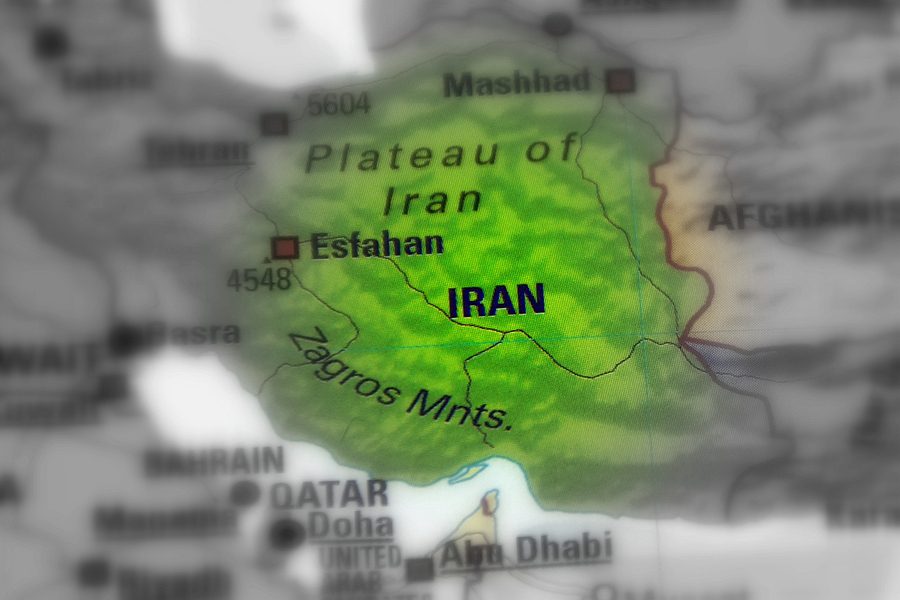
Middle East Crisis: Iran's Strait of Hormuz Standoff with US Escalates
Tensions are high in the Strait of Hormuz as Iran asserts control over the vital shipping lane amid escalating conflict with the US and Israel. This has led to significant disruptions in global oil and LNG supplies, impacting economies worldwide, including India's. Diplomatic efforts are ongoing, but the situation remains volatile, with threats of further escalation from both sides.
Key Highlights
- Iran controls Strait of Hormuz, impacting global energy supplies.
- US-Iran conflict threatens global oil and LNG trade routes.
- India faces economic risks due to rising oil prices and shipping costs.
- Diplomatic efforts for a ceasefire and passage through Hormuz are underway.
- The crisis has a significant global cost-of-living impact.
The Middle East is currently experiencing a severe crisis centered around the Strait of Hormuz, a critical maritime chokepoint through which approximately 20-25% of the world's seaborne oil trade and a significant portion of liquefied natural gas (LNG) passes. The conflict primarily involves Iran and the United States, with Israel also playing a role. Tensions have escalated dramatically since February 2026, following US-Israeli air strikes on Iran, which led to Iran's Revolutionary Guard Corps (IRGC) retaliating by blocking passage through the strait, boarding and attacking merchant ships, and laying sea mines. This action has effectively choked global energy supplies, leading to significant price surges and disruptions across international trade and supply chains.
The situation has been further complicated by the US reimposing blockades on Iranian ports and engaging in direct military strikes against Iranian targets, including infrastructure. Iran, in turn, has threatened retaliatory actions, including targeting ships in the Strait and striking bridges and power plants in response to any attacks on vessels. US President Donald Trump has issued stern warnings, vowing to bomb Iranian infrastructure if ships are harmed.
This geopolitical crisis has profound implications for India, which is heavily reliant on energy imports from the Middle East. The disruption in the Strait of Hormuz has led to higher oil prices, a weaker rupee, and increased import costs for India, jeopardizing its energy security, which constitutes a third of its import bill. Furthermore, the conflict puts the approximately nine million Indian nationals living in Gulf countries at risk, impacting remittances crucial for India's balance of payments.
Amidst the military escalation, diplomatic efforts are ongoing, with Pakistan and other regional countries attempting mediation. A temporary ceasefire was reportedly agreed upon in early April 2026, leading to a brief respite and a drop in oil prices. However, the fragile nature of these agreements is evident, with renewed hostilities and disputes over transit fees and passage rights. Iran has proposed a transit fee of approximately $2 million per vessel, a demand incompatible with US red lines.
The Hindustan Times, the source of the original article, is a major Indian daily newspaper. While it is a widely read publication, its credibility has been assessed as mixed, with some sources noting a left-center bias and occasional poor sourcing, while others acknowledge its reputable reporting on international news using credible sources. The reporting on the current crisis is consistent with the news cycle as of late July 2026, with multiple articles from Hindustan Times and other sources detailing the escalating conflict, US-Iran tensions, and the impact on global trade.
The crisis has broader global ramifications beyond energy security. It is exacerbating a global cost-of-living crisis, with increased shipping, insurance, and logistics costs filtering through to consumers worldwide in the form of higher prices for groceries, utilities, transportation, and imported goods. Scientists also warn of a potential ecological crisis due to thousands of stranded vessels, which could become carriers of invasive marine species.
In summary, the situation in the Strait of Hormuz is a critical geopolitical flashpoint with far-reaching consequences. Iran's control over this vital waterway, in defiance of US and international pressure, has triggered a global energy crisis, economic instability, and diplomatic complexities. India, due to its strategic and economic ties to the region, is particularly vulnerable. The ongoing military actions and diplomatic maneuvers highlight the precarious balance of power and the urgent need for a sustainable resolution to prevent further escalation and mitigate global repercussions. The news category is primarily Politics and World News, affecting multiple countries including Iran, the US, Israel, and having significant global implications, particularly for India.
Frequently Asked Questions
What is the Strait of Hormuz and why is it important?
The Strait of Hormuz is a narrow waterway connecting the Persian Gulf and the Gulf of Oman. It is a critical chokepoint for global energy trade, with approximately 20-25% of the world's seaborne oil trade and significant volumes of LNG passing through it annually. Its strategic importance makes it a frequent flashpoint for geopolitical tensions.
What is the current conflict in the Strait of Hormuz about?
The current crisis involves escalating tensions between Iran and the United States (with involvement from Israel). Following US-Israeli strikes on Iran, Iran has asserted control over the Strait, leading to blockades, attacks on shipping, and retaliatory strikes from the US. This has severely disrupted global oil and gas supplies and sparked fears of a wider regional war.
How does the Strait of Hormuz crisis affect India?
India is significantly impacted due to its heavy reliance on oil imports from the Middle East. The crisis leads to higher oil prices, a weaker rupee, and increased import costs, affecting the Indian economy. Additionally, the safety of the large Indian diaspora in the Gulf region is a concern.
What is Iran's strategic objective in controlling the Strait of Hormuz?
Iran views control over the Strait of Hormuz as a powerful strategic lever to exert pressure on global superpowers and regional adversaries. It uses this control to deter threats, secure concessions, and influence international policy, effectively using its geography as a bargaining chip in geopolitical negotiations.
What are the potential long-term consequences of this crisis?
The crisis has far-reaching consequences, including a global cost-of-living shock due to increased energy and shipping costs, potential ecological damage from stranded vessels, and a heightened risk of regional or global conflict. It also underscores the vulnerability of global supply chains to geopolitical instability and may lead to efforts to diversify energy sources and trade routes.