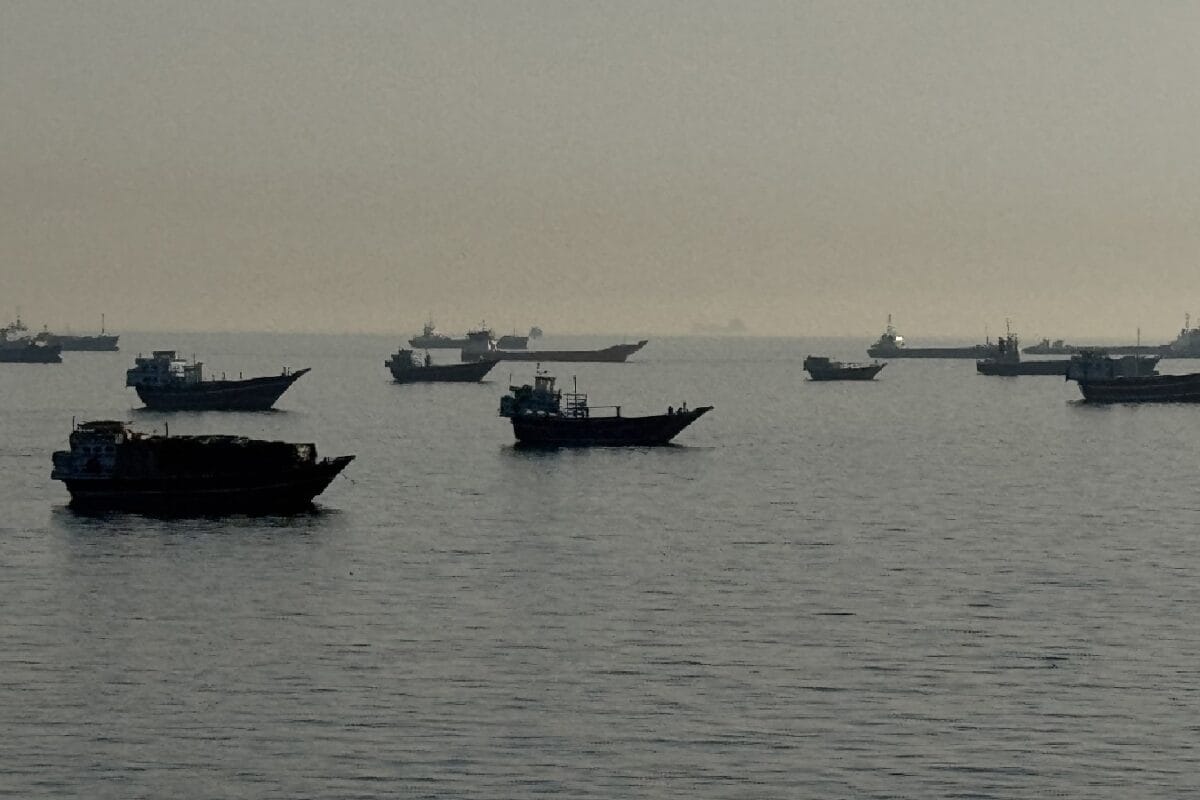
Iran to impose "service fees" on Strait of Hormuz passage amid ongoing US tensions
Iran has announced plans to charge a "maritime service fee" for vessels transiting the Strait of Hormuz, framing it as payment for navigation and safety services. This move comes amid ongoing tensions with the US and stalled peace talks, with Tehran expressing "deep mistrust" towards Washington despite recent framework agreements. The proposed fees are subject to ongoing negotiations and legal interpretations, with some analysts suggesting they could be legally justified if structured as service charges rather than tolls.
Key Highlights
- Iran plans to implement "maritime service fees" for Strait of Hormuz transit.
- Tehran cites "deep mistrust" of the US, despite a framework peace deal.
- The fees are proposed as payment for navigation and safety services.
- The legality and implementation of these fees are subject to ongoing discussions.
- This development highlights the complex and fragile nature of US-Iran relations.
Iran has announced its intention to impose a "maritime service fee" on vessels transiting the critical Strait of Hormuz, a move that underscores the persistent "deep mistrust" between Tehran and Washington, even as a framework peace deal has been reached. The Iranian Foreign Ministry has stated that these charges are not transit tolls but rather a package of services designed to cover navigation assistance, environmental protection, and insurance for ships passing through the strategic waterway. This development occurs against the backdrop of stalled peace talks and a history of conflict between the two nations, with Iran's declaration signaling that a formal peace agreement does not equate to immediate trust.
The proposed service fees are part of a broader, complex negotiation landscape. While Iran frames these fees as legitimate charges for essential maritime services, the United States, through Vice President JD Vance, has expressed expectations for toll-free passage through the Strait. This stance highlights a fundamental disagreement over the control and accessibility of this vital global shipping lane. JPMorgan analysts have suggested that Iran and Oman's plan to impose such fees might be legally justifiable under international law, provided they are structured as service fees for navigational and security services, rather than outright transit tolls. This distinction is crucial, as international law grants ships the right of "innocent passage" through territorial waters, which prohibits simple transit fees. Examples from Denmark and Turkey, where similar service fee systems are in place, are cited as potential precedents.
The Strait of Hormuz has been a significant point of contention, effectively closed for extended periods due to the ongoing conflict and geopolitical tensions. The disruption to shipping through this vital chokepoint, responsible for a significant portion of global oil flow, has had profound impacts on global energy markets and supply chains. Iran's insistence on retaining control over the Strait, even as it signals a willingness to reopen it under certain conditions, reflects its strategic leverage. The potential for Iran to generate substantial revenue from these fees, though estimates vary, remains a significant factor.
Recent developments indicate a precarious situation. While a June interim deal aimed to de-escalate tensions and reopen the Strait, both sides have accused each other of violations, leading to a stalemate. The US has maintained a naval blockade of Iranian ports, which Iran argues is a breach of the agreement. Treasury Secretary Scott Bessent has vowed unprecedented economic measures against Iran, including a continued blockade. In this volatile environment, the proposed service fees on Hormuz passage can be seen as Iran's attempt to assert its control and secure economic benefits amidst a fragile peace process. The legality and implementation of these fees, as well as their potential impact on international shipping and insurance, remain key areas of concern and negotiation. The underlying mistrust between the US and Iran, stemming from decades of hostility, sanctions, and conflict, continues to shape their interactions and the future of maritime security in the region.
The context of the broader US-Iran conflict is crucial. The war, which began in February 2026 after joint US-Israel military operations against Iran, has led to significant disruptions and volatility in global energy markets. While a June memorandum of understanding (MOU) aimed to end hostilities and reopen the Strait, accusations of violations have stalled progress. Iran's demands for sanctions relief and compensation for damages are significant hurdles in achieving a lasting peace. The strategic importance of the Strait of Hormuz cannot be overstated, as it is a critical artery for global energy supplies. Any agreement or disagreement concerning its passage has far-reaching implications for international trade and economies. The ongoing negotiations and the US's firm stance on free passage, contrasted with Iran's assertion of control and its proposed service fees, highlight the enduring complexities of their relationship and the challenges in establishing enduring regional stability.
Frequently Asked Questions
What is the Strait of Hormuz and why is it important?
The Strait of Hormuz is a narrow waterway that connects the Persian Gulf with the Gulf of Oman and the open sea. It is a critical chokepoint for global oil transportation, with a significant percentage of the world's oil and gas passing through it daily. Its strategic importance makes it a frequent flashpoint in regional geopolitical tensions.
Why does Iran want to charge a "service fee" for passage through the Strait of Hormuz?
Iran states that the proposed fees are for "maritime service" that will cover navigation assistance, environmental protection, and insurance for vessels. This is presented as distinct from a transit toll. This move also signals Iran's ongoing "deep mistrust" of the US and its assertion of control over the waterway amidst complex negotiations and a history of conflict.
What is the US stance on Iran's proposed service fees?
The US, while engaged in peace talks with Iran, has generally maintained that the Strait of Hormuz should remain open to toll-free transit. However, the precise details of their current stance on these specific service fees, in light of potential legal justifications, are subject to ongoing diplomatic discussions and interpretations.
How does this development relate to the broader US-Iran peace talks?
The announcement of service fees comes despite a framework peace deal being reached between the US and Iran. It highlights the persistent "deep mistrust" between the two nations and indicates that even with an agreement in principle, significant challenges remain in implementing a lasting peace and resolving issues like control over strategic waterways and economic sanctions.