Cervical Cancer Prevention for Teens: Key Steps for Early Health Protection | Quick Digest
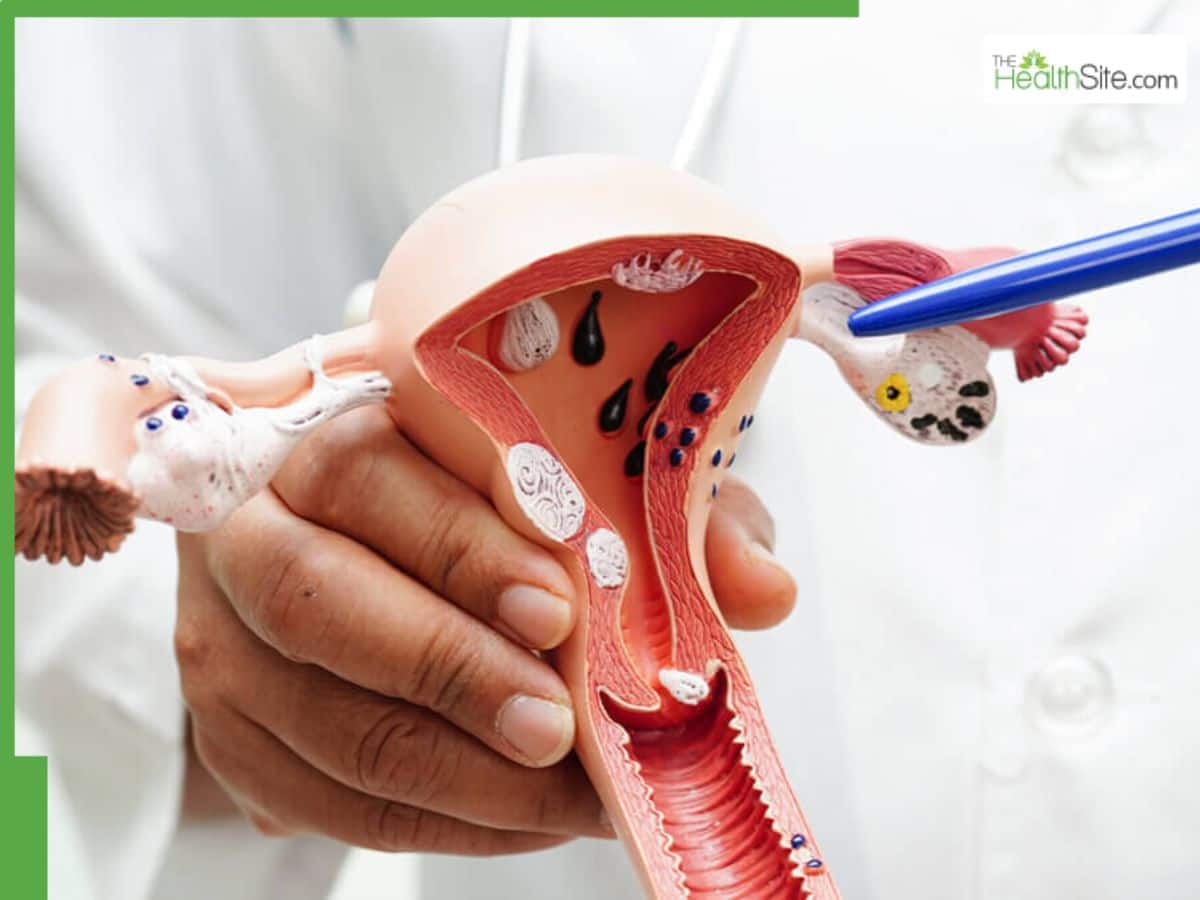
Cervical cancer, often caused by HPV, can affect women at a young age. A gynaecologist advises teenagers on five crucial steps, including HPV vaccination and safe practices, to reduce their risk early on. This is particularly relevant in India, where cervical cancer is a major health concern.
HPV vaccine is crucial for teens, ideally before sexual activity, for best protection.
Practicing safe sex, including condom use, helps prevent HPV transmission.
Adopting a healthy lifestyle strengthens immunity and reduces cancer risks.
Regular screenings (Pap and HPV tests) are vital for early detection, starting in early 20s.
Open conversations about sexual health foster awareness and proactive prevention.
Cervical cancer is the second leading cause of cancer deaths among women in India.
Cervical cancer poses a significant health challenge globally, and particularly in India, where it ranks as the second leading cause of cancer-related deaths among women. The Hindustan Times article highlights that early exposure to Human Papillomavirus (HPV), the primary cause of cervical cancer, during adolescence can increase risks later in life.
Dr. Sowmya Raghavan, an Obstetrician & Gynaecologist from Apollo Cradle & Children's Hospitals, Chennai, outlines five key preventative measures for teenagers. Firstly, the HPV vaccine is emphasized as the most effective protection against cancer-causing HPV types 16 and 18. Recommendations suggest vaccination at ages 11-12, ideally before becoming sexually active. In India, girls aged 9-14 are the primary target group for HPV vaccination, with catch-up options up to 26 years. Recent government initiatives in India aim to integrate the HPV vaccine into the national immunization program.
Secondly, the article stresses the importance of safe sexual practices, such as consistent condom use and limiting sexual partners, to reduce HPV transmission. Thirdly, adopting a healthy lifestyle, including a balanced diet, regular exercise, and avoiding smoking, is crucial. Smoking, in particular, weakens the immune system and damages cervical cells, increasing cancer risk.
Fourthly, staying informed about screening is vital. While routine cervical cancer screening (Pap tests and HPV tests) typically begins in the early twenties, it's essential to understand their role in detecting precancerous changes early. Most health bodies recommend starting Pap tests around age 21, with HPV testing often integrated after 30, and screening intervals varying from three to five years based on age and test results. Finally, fostering safe spaces for open conversations about reproductive health empowers young individuals to make informed choices and seek timely medical advice.
The claims are well-supported by medical consensus from organizations like the CDC, WHO, and NCI. The article's assertion that HPV can spread through simple skin-to-skin contact, not just sexual intercourse, is also accurate, although sexual activity remains a primary mode of transmission. This comprehensive approach to prevention and early detection is crucial for mitigating the burden of cervical cancer, especially among young women in India.
Read the full story on Quick Digest