Australian breakthrough: Targeted therapy developed for rare blood cancer | Quick Digest
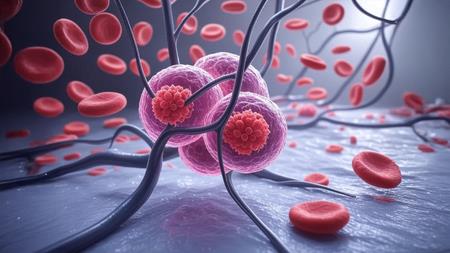
Australian researchers have developed a new targeted immunotherapy approach for myelofibrosis, a rare and serious blood cancer. This breakthrough aims to directly eliminate disease-driving cells, offering a more effective treatment beyond current symptom management, though clinical trials are still ahead.
Australian researchers developed new targeted therapy for myelofibrosis.
Myelofibrosis is a rare blood cancer lacking curative treatments.
Therapy uses immunotherapy to target abnormal disease-driving cells.
Research identified two distinct molecular targets for precise treatment.
Published in the prestigious international journal 'Blood'.
Further research and clinical trials are required before patient application.
A team of Australian researchers has made a significant advancement in the treatment of myelofibrosis, a rare and severe form of blood cancer. The scientists, primarily from the South Australian Health and Medical Research Institute (SAHMRI), SA Pathology, and the University of Adelaide, have developed a new targeted therapeutic approach that employs immunotherapy to combat the disease. Myelofibrosis severely disrupts the body's ability to produce healthy blood cells, leading to debilitating symptoms such as fatigue, pain, an enlarged spleen, and a diminished quality of life. Current treatments primarily focus on managing these symptoms, but no existing therapies selectively target or eliminate the abnormal cells responsible for driving the disease.
The new research, published in the leading international journal 'Blood', represents a paradigm shift from symptom management to directly attacking the root cause of the cancer. Co-led by Professor Daniel Thomas, Director of SAHMRI's Blood Cancer program, and Professor Angel Lopez, Head of Human Immunology at SA Pathology, the study identified not just one, but two distinct molecular targets for selectively removing the culprit cells, while largely sparing healthy tissue. Professor Thomas highlighted this as a world-first discovery, demonstrating how Type 1 calreticulin mutations differ from Type 2 mutations in their response to treatment, enabling more precise interventions. This precision immunology approach harnesses the immune system's ability to recognise and act specifically on disease-causing cells. While these findings are highly promising and offer substantial hope for patients, the researchers emphasize that further research and clinical development are essential before this innovative approach can be translated into patient-ready treatments.
Read the full story on Quick Digest