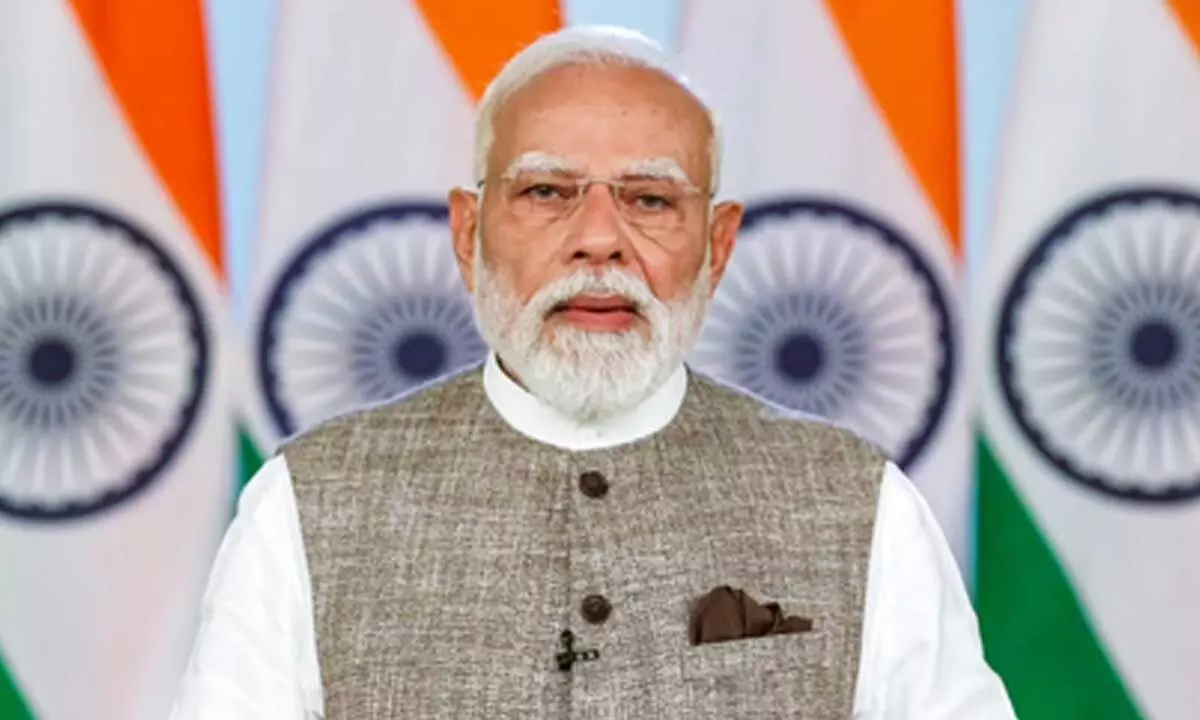
PM Modi urges fuel conservation amid Middle East war
Amid the ongoing West Asia conflict, Prime Minister Narendra Modi has urged Indian citizens to use petrol, diesel, and gas with "great restraint." He emphasized the need to conserve foreign exchange and reduce the impact of global energy price volatility on India's economy by reviving work-from-home practices and avoiding non-essential foreign travel and gold purchases.
Key Highlights
- PM Modi called for judicious use of petrol, diesel, and gas.
- Revival of work-from-home and virtual meetings was suggested.
- Citizens urged to postpone foreign travel and weddings for a year.
- Avoiding non-essential gold purchases was also advised.
- Conservation measures aim to save foreign exchange and cushion economic impact.
Prime Minister Narendra Modi has issued a strong call to the Indian populace to exercise significant restraint in the consumption of petrol, diesel, and gas, labeling it the "need of the hour" in the context of the escalating West Asia conflict. This appeal, made during an event in Hyderabad, Telangana, on Sunday, May 10, 2026, underscores India's vulnerability to global energy price fluctuations due to its substantial reliance on imported petroleum products. Modi highlighted that judicious use of these resources is crucial not only for saving foreign exchange but also for mitigating the adverse economic impact of the ongoing conflict.
The Prime Minister's directives are rooted in the understanding that India imports approximately 85% of its crude oil requirements, making it highly susceptible to geopolitical events in major oil-producing regions like the Middle East. The ongoing hostilities have disrupted global supply chains and led to a surge in crude oil prices, which have stayed elevated, impacting India's current account deficit, inflation, and GDP growth. Experts project that prolonged tensions could keep oil prices higher for years, potentially reducing India's GDP growth and increasing inflation.
To combat these challenges, Modi invoked the practices adopted during the COVID-19 pandemic, urging a revival of work-from-home arrangements, online meetings, and video conferences. This measure, he stated, would help reduce unnecessary commuting and fuel consumption, thereby contributing to the national interest. He encouraged carpooling and the increased use of public transportation, particularly in cities with metro connectivity, and advised electric vehicle owners to maximize their EV usage.
Beyond fuel conservation, Prime Minister Modi extended his appeal to other areas of discretionary spending that impact foreign exchange reserves. He strongly advised citizens to postpone non-essential foreign travel, including overseas vacations and destination weddings, for at least a year. Furthermore, in an unusual but significant appeal, he urged families to refrain from purchasing gold for weddings for a year. Gold, being an imported commodity, also contributes to foreign exchange outflow, and its reduced import would help strengthen India's financial position.
Modi also highlighted the government's proactive measures to enhance energy security, including the expansion of solar power capacity, ethanol blending in petrol, increased LPG coverage, and the development of piped gas and CNG-based transport systems. These initiatives are part of India's broader strategy to reduce its dependence on imported fuels and become more resilient to global energy shocks.
The Prime Minister's address also touched upon broader economic resilience, advocating for the prioritization of 'Made-in-India' and locally manufactured products. He also encouraged a reduction in edible oil consumption and a shift towards natural farming practices among farmers, aiming to further reduce import dependence and promote self-reliance.
In essence, Prime Minister Modi's call is a multifaceted appeal for collective national responsibility, urging citizens to adapt their consumption patterns and lifestyle choices to navigate the prevailing global economic turbulence, driven by geopolitical conflicts and volatile energy markets. The measures proposed are aimed at cushioning India from external economic shocks, conserving valuable foreign exchange, and bolstering the nation's economic stability.
The news article from The Times of India accurately reflects Prime Minister Modi's statements made on May 10, 2026. The headline is not sensationalized and accurately captures the core message of the Prime Minister's address. Multiple credible sources corroborate the key claims made in the article, including the specific advice given by the Prime Minister regarding fuel conservation, work-from-home, foreign travel, and gold purchases. There is no apparent misinformation or exaggeration in the reported statements.
Frequently Asked Questions
Why is PM Modi urging people to use petrol, diesel, and gas with restraint?
Prime Minister Modi urged restraint due to the ongoing West Asia conflict, which has disrupted global oil supplies and driven up prices. This situation impacts India, which is heavily reliant on oil imports, leading to concerns about foreign exchange reserves and economic stability.
What specific measures did PM Modi suggest for fuel conservation?
PM Modi suggested reviving work-from-home practices, prioritizing public transport and carpooling, and increasing the use of electric vehicles. He also advised postponing foreign travel and non-essential gold purchases for a year to save foreign exchange.
How does the West Asia conflict affect India's economy?
The conflict leads to higher global crude oil prices, increasing India's import bill. This can fuel inflation, put pressure on the rupee, widen the current account deficit, and potentially slow down GDP growth. It also disrupts supply chains for essential goods like fertilizers.
What is India's dependence on imported oil?
India imports a significant majority of its crude oil requirements, with estimates ranging from 80% to 87%. A substantial portion of these imports comes from the Middle East, making the country vulnerable to geopolitical events in the region.