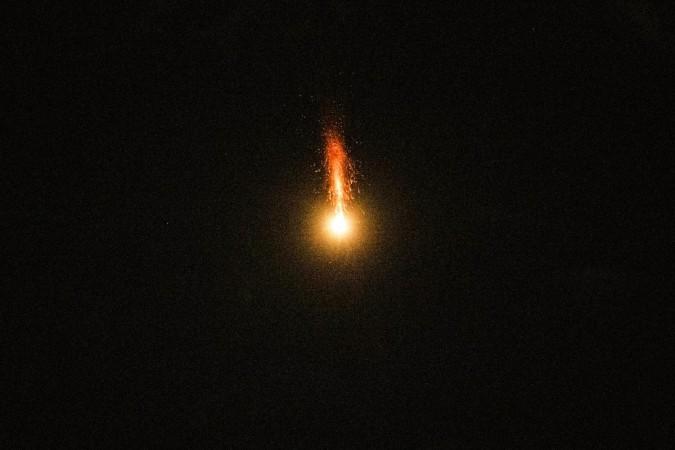
UAE issues missile threat alert amid Iran-US conflict; intercepts drones
Dubai and other UAE residents received emergency mobile alerts urging them to seek shelter due to potential missile threats amid escalating regional tensions. The UAE's defense systems successfully intercepted numerous drones and missiles launched from Iran. While most threats were neutralized, debris caused minor damage and some casualties.
Key Highlights
- UAE residents alerted via emergency mobile messages to seek immediate shelter.
- UAE defense systems intercepted a significant number of Iranian drones and missiles.
- Regional tensions escalated following joint US-Israeli strikes on Iran.
- Debris from intercepted threats caused minor damage and resulted in casualties.
- The UAE's emergency response systems were activated and operational.
- Public urged to rely on official sources for verified information.
The United Arab Emirates (UAE) issued a rare emergency alert to residents across the nation, including Dubai and Abu Dhabi, on March 6, 2026, urging them to seek immediate shelter due to potential missile threats. The alerts, delivered via mobile phones with loud alarm tones in both Arabic and English, advised residents to move to the nearest secure building and stay away from windows and open areas. This precautionary measure was implemented amidst escalating regional hostilities, stemming from joint US-Israeli strikes on Iranian targets, which led to retaliatory missile and drone launches from Iran towards Gulf states, including the UAE [3, 6, 9, 16, 17, 20, 21].
The UAE's Ministry of Defence announced that its integrated air defence systems were highly active, successfully intercepting a large volume of aerial threats. Reports indicate that since the onset of these attacks, the UAE air force and air defense forces have engaged and destroyed hundreds of ballistic missiles and drones. Specifically, figures vary across reports, but indicate hundreds of intercepted missiles and over a thousand drones. For instance, one report states 137 ballistic missiles and 209 drones were intercepted [6, 10]. Another states 186 ballistic missiles and 812 drones were dealt with [11]. Further reports mention 196 ballistic missiles and over 1000 drones intercepted [17], and 172 ballistic missiles, eight cruise missiles, and 755 drones intercepted [23]. One of the most comprehensive figures states 189 ballistic missiles detected (175 destroyed, 13 in the sea, one landed in UAE territory) and 941 drones detected (876 intercepted, 65 fell within the country), alongside eight cruise missiles destroyed [22]. The sounds of explosions heard across the UAE were attributed to these interception operations [15, 20].
While the UAE's advanced air defense systems were largely successful in neutralizing these threats, debris from some intercepted missiles and drones fell in populated areas. This falling shrapnel caused minor material damage to civilian properties, including at airports like Dubai International Airport and Zayed International Airport in Abu Dhabi [9, 11, 15, 18, 24]. Tragically, the attacks resulted in fatalities and injuries. Reports indicate at least three civilian deaths, with victims identified as Pakistani, Nepali, and Bangladeshi nationals. Additionally, dozens of others sustained minor injuries, with injured individuals from various nationalities, including Emirati, Egyptian, Indian, and Pakistani, among others [15, 18, 22].
The emergency alert system is a part of the UAE's national early warning system, designed for the rapid dissemination of critical safety information during emergencies. Authorities emphasized that such alerts are preventive and precautionary, aimed at elevating preparedness and supporting crisis management. The National Emergency Crisis and Disaster Management Authority (NCEMA) urged the public to remain calm and cooperative, stressing that community safety is a top priority. They also advised residents to refrain from stopping vehicles or exiting buildings to record interceptions, as this poses a severe safety risk, and to rely on official government channels for information, rather than unverified sources [3, 16, 20].
This incident highlights the volatile geopolitical situation in the Middle East and its direct impact on civilian life in the UAE. The country, known for its stability, has been increasingly drawn into regional conflicts. Previous Houthi attacks on Abu Dhabi in January 2022, which claimed civilian lives, also demonstrated the vulnerability of the region to such threats [4, 8, 12, 14]. The current events underscore the UAE's commitment to national security and its robust defense capabilities in handling large-scale aerial assaults.
The news has significant relevance for India, given the large Indian diaspora in the UAE and the close economic ties between the two countries. Disruptions to air travel, such as partial flight resumptions to India by Etihad, were also noted [9]. The situation underscores the broader implications of regional conflicts on international relations and global trade, particularly concerning energy security, given the UAE's role in supplying oil [23].
Frequently Asked Questions
Why did the UAE issue an emergency alert to residents?
The UAE issued an emergency alert due to potential missile threats amid escalating regional tensions following joint US-Israeli strikes on Iran, which led to retaliatory actions from Iran. The alerts advised residents to seek immediate shelter.
Were the missile and drone threats intercepted by the UAE?
Yes, the UAE's advanced air defense systems successfully intercepted a significant number of ballistic missiles and drones launched from Iran. While most were neutralized, some debris fell, causing minor damage and casualties.
What should residents do during such alerts?
Residents are advised to seek immediate shelter in the nearest secure building, stay away from windows and open areas, and rely on official government sources for information. They should avoid stopping their vehicles or exiting buildings to record incidents.
What was the impact of the intercepted threats?
While the UAE's air defenses were largely successful, debris from intercepted missiles and drones caused minor material damage to civilian properties. Tragically, there were also fatalities and injuries reported among residents.