H5N1 Bird Flu Hits Australia: Wild Birds Confirmed, Farms on Alert
Australia has confirmed its first cases of the highly pathogenic H5N1 bird flu in wild migratory seabirds in Western Australia, marking the virus's arrival on the last previously unaffected continent. While no poultry farms are yet affected, the detection has prompted heightened biosecurity and concerns for native wildlife.
Key Highlights
- H5N1 bird flu confirmed in two wild migratory seabirds in Western Australia.
- Australia was previously the only continent free of this global H5N1 strain.
- Poultry farms in Western Australia are under precautionary lockdown.
- Experts warn of devastating impact on Australia's unique native wildlife.
- Human health risk remains low, with no evidence of human-to-human transmission.
- Virus likely arrived from subantarctic islands, not traditional Asian flyways.
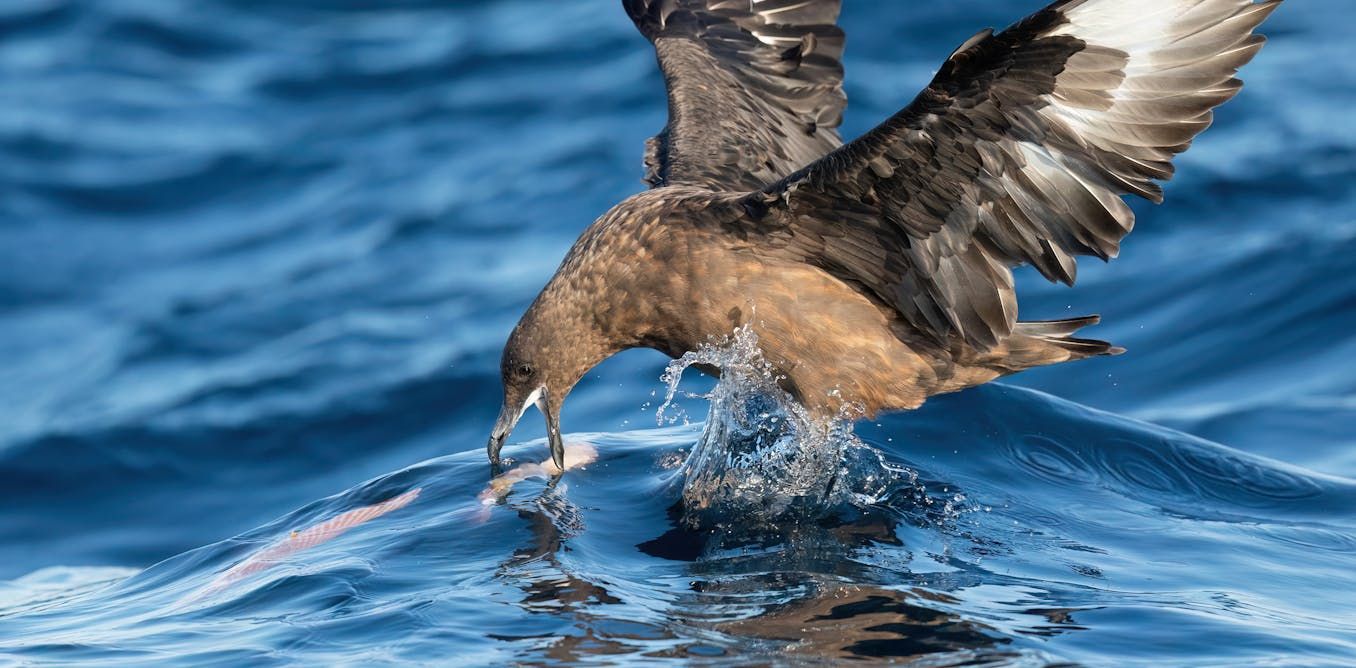
Australia has confirmed its first detections of the highly pathogenic H5N1 avian influenza (bird flu) strain in wild migratory seabirds, marking a significant development as the virus has now reached every continent. The initial case was identified in a brown skua found unwell on June 14, 2026, in the remote Cape Le Grand National Park near Esperance in southern Western Australia. This was followed by the confirmation of the virus in a northern giant petrel from the same region by June 22, 2026. These detections of the H5N1 clade 2.3.4.4b strain signify the arrival of a globally circulating and highly destructive animal pathogen on Australian mainland, which was previously the only continent free of it.
Prior to these mainland confirmations, the H5N1 virus was detected in late 2025 on Heard Island, a sub-Antarctic Australian territory located about 4,100km from the mainland, where it caused widespread mortality in elephant seal pups and affected other wildlife. Researchers now believe the virus unexpectedly entered Australia from the south, carried by seabirds from Antarctica and subantarctic islands, rather than the Asian migratory flyways that biosecurity planners had traditionally monitored.
The implications for Australia's agricultural sector and unique wildlife are significant. Although there have been no detections in commercial poultry farms or other agricultural systems as of the latest reports, poultry farms in Western Australia have initiated precautionary lockdowns. Australia's largest poultry producer, Ingham's Group, announced a "complete lockdown" of its operations in Western Australia, emphasizing heightened biosecurity vigilance. This proactive measure is critical given the severe impact H5N1 has had on poultry industries globally, leading to the culling of hundreds of millions of birds.
Experts and authorities are particularly concerned about the potential devastation to Australia's native wildlife, which has no inherent immunity to this strain of the virus. The virus is known to cause mass mortalities in wild birds and has also spread to various mammal species, including marine mammals, overseas. The Australian government and state departments, including Agriculture Victoria and the NSW Department of Primary Industries, are on high alert, coordinating national responses, enhancing surveillance activities, and reinforcing biosecurity measures. They are actively working to determine the extent of the infection in wildlife and contain any potential spread.
The risk of H5N1 transmission to humans is currently assessed as low by the Australian Centre for Disease Control and other health organizations, as the virus does not easily infect humans, and human-to-human transmission is rare. Australia did report its first human case of H5N1 in May 2024, involving a 2.5-year-old girl who contracted the virus in Kolkata, India, before returning to Australia. This case, however, was associated with a different clade (2.3.2.1a) of H5N1. Authorities emphasize that bird flu is not a food safety risk for chicken meat and eggs if they are handled and cooked correctly.
The global spread of H5N1 has prompted countries worldwide to enhance preparedness. Migratory birds are identified as key vectors, and the virus has also been found in various mammals, including dairy cattle in the U.S. This highlights the importance of robust surveillance and biosecurity across all animal populations to mitigate risks to public health and the livestock industry. The Australian government has stated it is well-prepared for an outbreak, leveraging years of planning and learning from international experiences to protect poultry production and reduce impacts on wildlife and communities.
For an Indian audience, this news holds high importance due to the global nature of H5N1 and its potential pandemic threat. India has experienced H5N1 detections in birds, and the prior human case in Australia linked to India underscores the interconnectedness of global health and biosecurity. The vigilance and response strategies adopted by Australia offer valuable insights for managing such zoonotic threats internationally.
Frequently Asked Questions
What is H5N1 bird flu and why is its detection in Australia significant?
H5N1 is a highly pathogenic strain of avian influenza that has been causing outbreaks in birds and some mammals globally. Its confirmation in wild birds in Australia is significant because it marks the arrival of this destructive strain on the last continent previously free of it, raising concerns for Australia's unique wildlife and poultry industry.
How did H5N1 reach Australia, and what are the immediate impacts?
The virus likely arrived from the south, carried by migratory seabirds from Antarctica and subantarctic islands, rather than the expected Asian migratory routes. While no poultry farms have reported cases, the detection has prompted heightened biosecurity measures and concerns for the potential devastating impact on Australia's native wildlife, which lacks immunity.
What is the risk of H5N1 to humans in Australia?
The risk to the general public from H5N1 is currently considered low, as the virus does not easily transmit to humans, and human-to-human spread is rare. Australia previously had a human H5N1 case in 2024, but it was travel-associated (contracted in India) and involved a different viral clade.
What measures are Australian authorities taking to manage the H5N1 threat?
Australian authorities are on high alert, implementing enhanced surveillance, strengthening biosecurity measures, and coordinating a national response to monitor wildlife, protect poultry farms, and contain any potential spread. This includes precautionary lockdowns for some poultry operations.
What are the broader implications of H5N1's global spread, particularly for countries like India?
H5N1's global spread highlights its pandemic potential and the interconnectedness of global health. For countries like India, which has also experienced H5N1 in birds and had a human case linked to India's travel history, it underscores the critical need for continuous surveillance, robust biosecurity in poultry and livestock, and international cooperation to prevent and manage zoonotic disease threats.