Pakistan Army Chief visits Iran amid US-Iran talks, Trump warns of 'borderline'
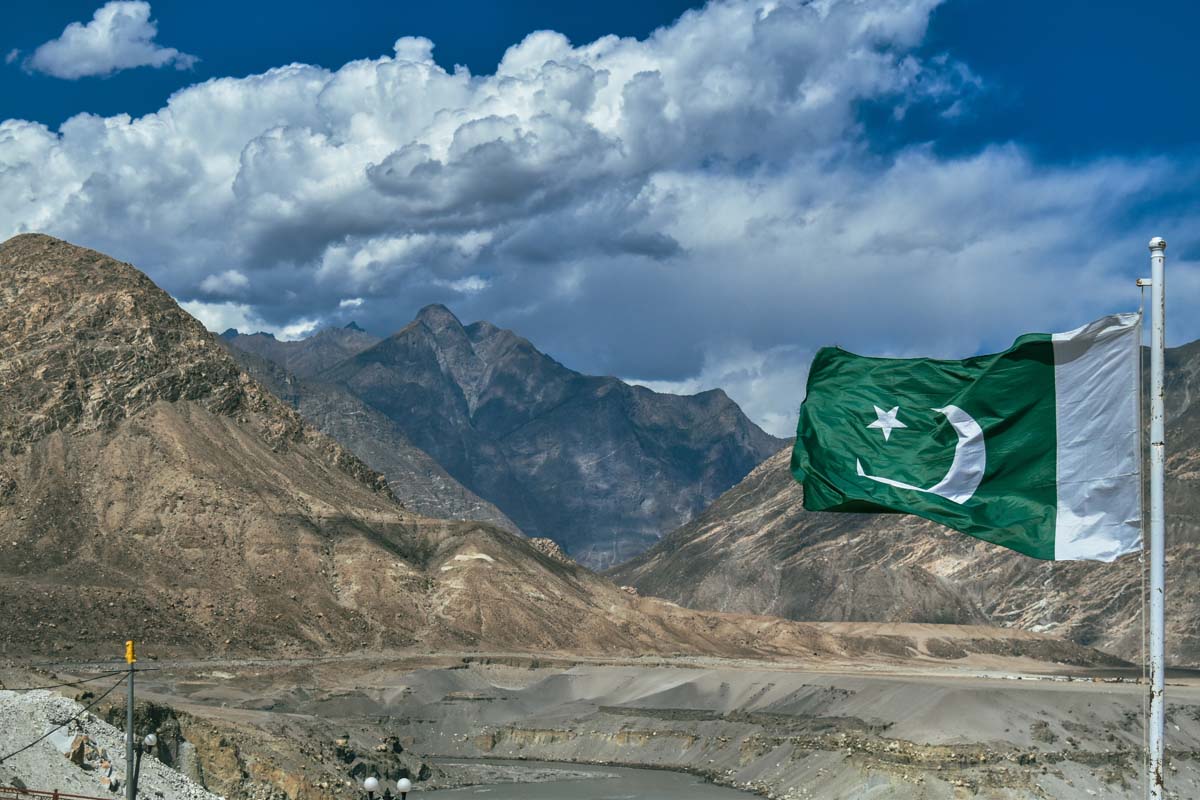
Pakistan's Army Chief, General Asim Munir, is in Iran for talks, amidst ongoing US-Iran negotiations for a ceasefire. The visit coincides with US President Donald Trump's statement that the talks are on the "borderline" between a deal and renewed strikes. Pakistan has been actively mediating between the two nations, with recent US proposals being reviewed by Iran.
Key Highlights
- Pakistan Army Chief Gen. Asim Munir is in Iran for mediation talks.
- US-Iran negotiations for a ceasefire are in a critical phase.
- President Trump stated that talks are "on the borderline" between a deal and strikes.
- Iran is reviewing a new US proposal conveyed through Pakistani mediators.
- Pakistan has played a key role in mediating US-Iran discussions.
- Tensions remain high with a potential for renewed conflict.
Pakistan's Army Chief, General Asim Munir, has arrived in Iran for crucial mediation talks, signaling Pakistan's continued efforts to de-escalate the ongoing conflict between Iran and the United States. The visit occurs at a pivotal moment, as US President Donald Trump has characterized the negotiations as being "on the borderline" between reaching a deal and the resumption of military strikes. This high-stakes diplomatic maneuvering underscores Pakistan's significant role as a mediator in the West Asian crisis.
According to reports, General Munir's visit is part of Pakistan's ongoing mediation efforts, involving consultations between Tehran and Washington. Iran's state media has indicated that Tehran is currently reviewing a new US proposal aimed at ending the conflict. This proposal was conveyed through Pakistani mediators, highlighting Islamabad's central position in facilitating communication between the two adversaries. The latest US proposal reportedly includes "slightly better incentives" regarding Iran's frozen assets and international sanctions, as reported by Pakistani government sources.
The mediation efforts are being led by Pakistan's Interior Minister Mohsin Naqvi, who has made multiple visits to Tehran in a short period to discuss the evolving situation. Naqvi has met with senior Iranian officials, including his counterpart and commanders of the Revolutionary Guards, to discuss strategies for reviving stalled talks. The Pakistani delegation's engagement emphasizes the urgency and critical phase of these diplomatic endeavors.
The context for these talks is a fragile ceasefire that has been in place since April 8, brokered by Pakistan. However, subsequent negotiations in Islamabad failed to secure a lasting agreement, leading to continued exchanges of proposals and counter-proposals. President Trump's warnings about the closing window for diplomacy and the potential for renewed conflict add a layer of urgency to the current discussions. His earlier threats to target Iranian infrastructure, such as bridges and power plants, if a deal was not reached, underscore the precariousness of the situation.
Pakistan and Iran share historically cordial relations, built on religious bonds, historic linkages, and cultural affinities. Iran was one of the first countries to recognize Pakistan after its independence in 1947. This strong bilateral relationship has enabled Pakistan to effectively engage in mediation efforts. Both nations are committed to increasing economic cooperation and promoting regional stability, which further strengthens Pakistan's position as a neutral facilitator.
The Iran-Israel conflict itself has evolved significantly, with direct clashes occurring since 2024. This has involved missile and drone exchanges, and Israeli strikes on Iranian targets. The situation has created a complex geopolitical landscape where regional stability is deeply intertwined with the outcomes of these high-level diplomatic discussions. The involvement of Pakistan's top military official signifies the gravity with which Islamabad views its mediation role and the broader implications of the conflict for regional security.
Reports from various sources indicate that the key sticking points in the negotiations include Iran's nuclear program, control over the Strait of Hormuz, economic sanctions, and the unfreezing of Iranian assets. Iran's strategy has reportedly involved maintaining a hold on the Strait of Hormuz to influence global energy markets and using this leverage in negotiations. The US, on the other hand, has exerted pressure through sanctions and the threat of military action.
The involvement of former US President Donald Trump in these negotiations adds another layer of complexity, given his strong stance and previous threats. His recent warnings and statements about the talks being "on the borderline" reflect the delicate balance being struck between diplomacy and the potential for military escalation. The success of these mediation efforts hinges on bridging the significant gaps between the US and Iranian demands, a task that Pakistan is actively pursuing through high-level engagement.
Frequently Asked Questions
Why is Pakistan's Army Chief visiting Iran?
Pakistan's Army Chief, General Asim Munir, is visiting Iran as part of ongoing mediation efforts to de-escalate the conflict between Iran and the United States. He is facilitating talks and consultations between the two nations.
What is the current status of US-Iran negotiations?
The negotiations between the US and Iran are described as being on the 'borderline' between a deal and renewed strikes. Iran is currently reviewing a new US proposal conveyed through Pakistani mediators, and a fragile ceasefire is in place.
What role is Pakistan playing in the Iran-US conflict?
Pakistan is acting as a key mediator between Iran and the United States, facilitating communication, conveying proposals, and hosting talks. This role is underpinned by their historically cordial relations with both nations.