Iran Claims Missile Strike on US Warship in Hormuz, US Denies
Iranian news agencies claim two missiles hit a US warship in the Strait of Hormuz, forcing it to retreat, after ignoring warnings amid heightened tensions. US officials, however, have strongly denied any such missile strike, calling the Iranian reports false. The incident coincides with a US plan to escort ships through the vital waterway.
Key Highlights
- Iranian Fars News claims two missiles struck a US Navy frigate.
- US officials and Central Command vehemently deny any missile attack.
- Incident reported amidst ongoing US-Iran tensions over Strait of Hormuz.
- US announced 'Project Freedom' to escort ships through the strait.
- Iran had warned against US interference in the strategic waterway.
- The veracity of the missile strike remains disputed.
Reports from Iranian news agencies, notably the Revolutionary Guard Corps (IRGC)-aligned Fars News Agency, claimed on May 4, 2026, that two missiles struck a United States Navy frigate attempting to enter the Strait of Hormuz. According to these Iranian reports, the US warship ignored warnings from Iran's military near Jask island, violating security protocols for transit, and was subsequently hit, forcing it to turn back.
However, these claims have been vehemently denied by US officials and the US Central Command. A senior US official, cited by Axios, stated that no American ship was hit by Iranian missiles. The US Central Command also issued a denial, asserting that Iran had not struck a US vessel.
The alleged incident unfolded amid a period of significantly heightened tensions between the United States and Iran regarding the critical Strait of Hormuz, a vital chokepoint for global oil and gas shipments. On the same day, US President Donald Trump announced 'Project Freedom,' a naval mission aimed at escorting and guiding commercial vessels through the Strait, many of which are reportedly stranded due to an ongoing crisis. This initiative followed earlier warnings from Iranian officials that any US proposal to escort ships would constitute a violation of a fragile ceasefire that has been in effect since April 8, 2026.
Iran's unified command of armed forces had previously issued a strong warning, stating that the security of the Strait of Hormuz is under their control and any safe passage must be coordinated with their forces. They explicitly threatened to attack any foreign military forces, particularly US forces, attempting to enter or approach the strait without coordination. This stance reflects Iran's assertion of sovereignty over the waterway, a position that clashes with international principles of free navigation through straits used for international shipping.
The broader context for this event is the '2026 Strait of Hormuz crisis,' which commenced on February 28, 2026. This crisis was triggered by an 'air war' launched by the United States and Israel against Iran, following the assassination of Iran's supreme leader. In retaliation, Iran conducted missile and drone attacks on Israel, US military bases, and US-allied Gulf states. Since then, shipping traffic through the Strait has been severely disrupted by Iranian warnings, the boarding and attacking of merchant ships, and the laying of sea mines. The US, in turn, imposed a counter-blockade on Iranian ports from April 13, leading to a 'dual blockade' situation.
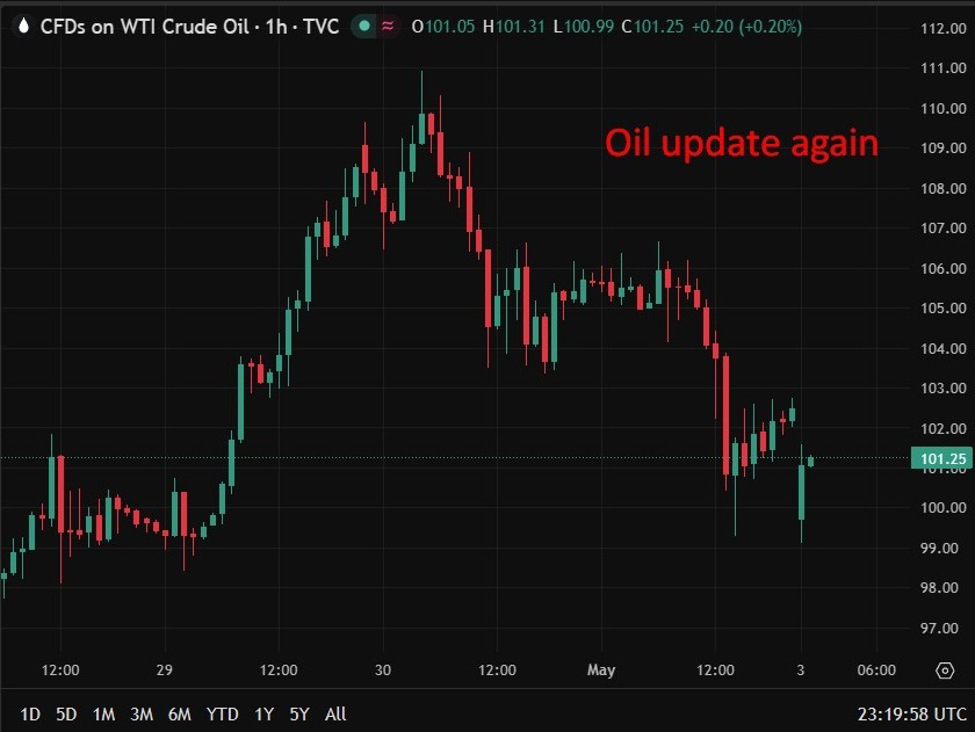
Reports suggest that the closure of the Strait has caused the largest disruption to world energy supply since the 1970s energy crisis, with oil prices surging. Diplomatic efforts to de-escalate have been ongoing, with a temporary ceasefire in place, but negotiations have remained deadlocked over key issues, including Iran's control of the Strait and demands for sanction relief and guarantees against future attacks.
The Hindustan Times article's headline, 'US-Iran War LIVE: 2 missiles hit US warship trying to enter Strait of Hormuz, Iranian news agency says,' accurately reports the existence of the Iranian claim and attributes it to an Iranian news agency. However, by stating '2 missiles hit US warship' rather than 'Iran claims 2 missiles hit US warship' in the primary clause, it leans towards sensationalism and could be perceived as presenting an unverified claim as fact, especially given the immediate and strong denials from the US. The term 'US-Iran War LIVE' might also be an exaggeration, as while tensions are critical and a 'crisis' and 'air war' are mentioned, a full-scale 'war' in the traditional sense, beyond the strategic actions in the Strait, is not universally reported as active.
The situation remains fluid, with conflicting reports from the involved parties. The international community is closely watching developments in the Strait of Hormuz, recognizing its profound impact on global trade and stability. The critical nature of the waterway, coupled with the military posturing and conflicting claims, underscores the volatility of the geopolitical landscape in the Middle East. India, as a major energy consumer, has a significant stake in the stability of the Strait and the free flow of maritime trade. The current events have global implications, particularly for energy markets and international shipping routes, making this a critical piece of global news.
Frequently Asked Questions
What is the primary claim made by Iranian news agencies?
Iranian news agencies, including Fars News, claimed that two missiles struck a US Navy frigate attempting to enter the Strait of Hormuz after the vessel reportedly ignored Iranian warnings.
How has the United States responded to these claims?
US officials and the US Central Command have strongly denied the Iranian claims, stating that no American warship was hit by missiles.
What is the significance of the Strait of Hormuz?
The Strait of Hormuz is a crucial waterway for global maritime trade, particularly for oil and gas shipments. Its disruption has significant international economic and geopolitical consequences.
What is 'Project Freedom' and why was it announced?
'Project Freedom' is a US naval mission announced by President Trump to escort and guide commercial vessels through the Strait of Hormuz, as many ships are reportedly stranded amidst the ongoing crisis and Iranian blockades.
What is the broader context of US-Iran tensions in the region?
The current tensions are part of the '2026 Strait of Hormuz crisis,' which began with a US-Israeli 'air war' against Iran and escalated with Iranian retaliatory attacks and blockades in the Strait, leading to a 'dual blockade' situation.