Iranian Women Defy Regime by Lighting Cigarettes from Khamenei Photos | Quick Digest
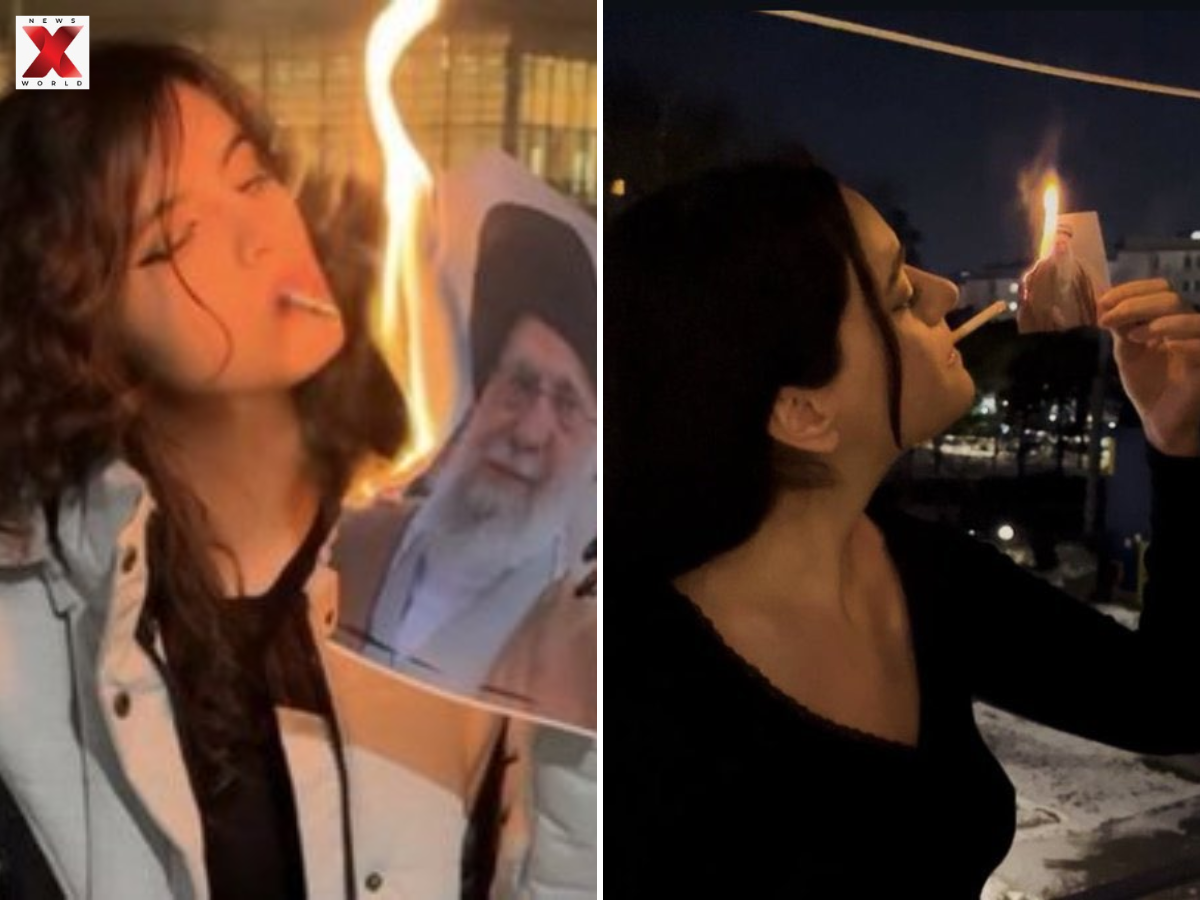
Iranian women are using burning photos of Supreme Leader Ali Khamenei to light cigarettes, a powerful symbolic act of defiance against strict laws and economic hardship. This trend, widespread on social media, challenges both state authority and social restrictions.
Women burn Supreme Leader's photos to light cigarettes as protest.
Act symbolizes defiance against Iran's religious and political authority.
Burning Khamenei's image is a serious offense; public smoking by women is restricted.
Protests fueled by economic hardship, inflation, and Mahsa Amini's death grievances.
Images circulating widely on social media despite internet blackouts.
Trend highlights ongoing civil unrest and rejection of mandatory social controls.
Iranian women have adopted a striking new form of protest, publicly lighting cigarettes from burning photographs of Supreme Leader Ayatollah Ali Khamenei. This powerful symbolic act, which has gained significant traction across social media platforms, represents a dual challenge to the Iranian regime's authority. In Iran, burning an image of the Supreme Leader is considered a serious criminal offense, and public smoking by women is largely restricted or socially frowned upon. By combining these two taboo actions, protesters are explicitly rejecting both the state's political power and its rigid social controls, including mandatory hijab enforcement and other restrictions on women's freedom.
This recent wave of defiance is unfolding amid deepening economic hardship in Iran, characterized by soaring inflation, a weakening currency, and rising food prices, which are fueling widespread public anger. The current demonstrations also build upon the unresolved grievances from the nationwide 'Woman, Life, Freedom' protests that erupted in September 2022 following the death of 22-year-old Mahsa Amini in morality police custody. The protests, which started due to economic issues, have since broadened to include a wider section of society, indicating a profound crisis of legitimacy for the ruling establishment. While the Times of India noted it could not independently verify all images, the widespread reporting by multiple credible international and Indian news sources corroborates the prevalence and significance of this protest method. The act's digital spread makes it particularly challenging for authorities to suppress, even with reported internet blackouts and crackdowns.
Read the full story on Quick Digest