Bird Flu Spreads to Australia's Wild Birds, Raising Concerns
Bird flu, H5N1, has been detected in wild bird populations in Australia, mirroring a severe outbreak in the UK's seabirds. This spread raises significant ecological and biosecurity concerns for Australia and potentially beyond.
Key Highlights
- H5N1 bird flu detected in Australian wild birds.
- Thousands of seabirds died in UK due to bird flu.
- Ecological and biosecurity risks are a major concern.
- Cases in Australia's wild flocks are doubling rapidly.
- Poultry events cancelled due to bird flu detection.
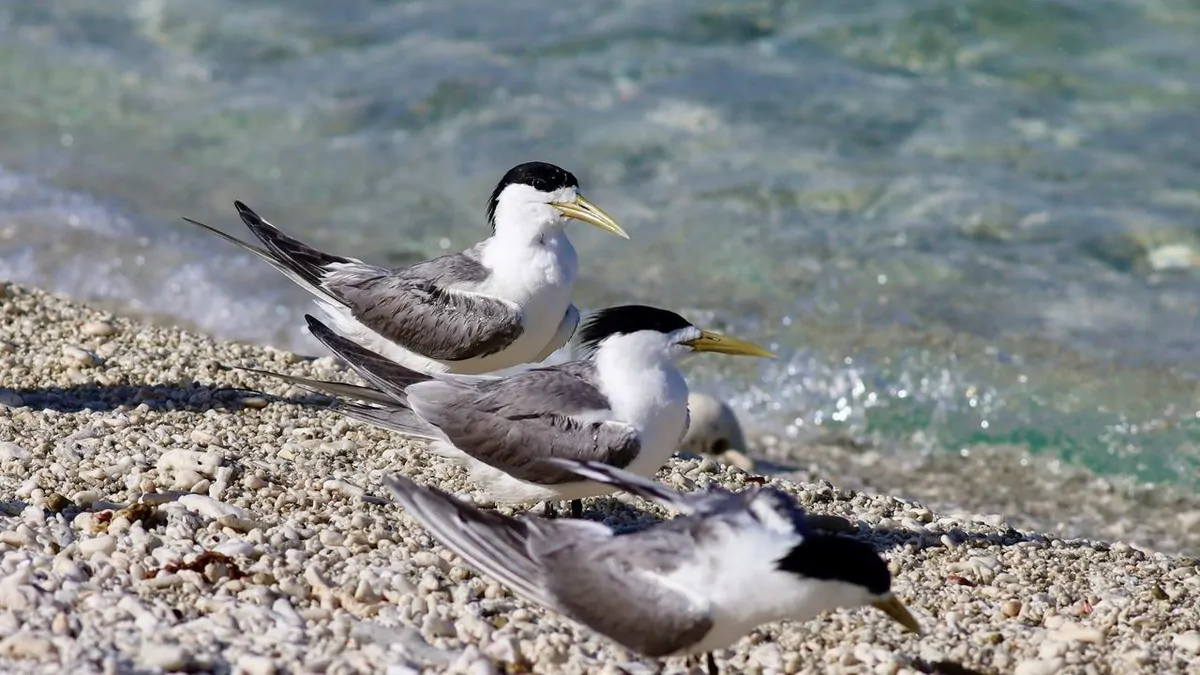
The highly pathogenic avian influenza (H5N1) virus, which caused devastating losses among seabird populations in the United Kingdom, has now been confirmed in wild birds across Australia, sparking serious ecological and biosecurity concerns. The Guardian's report highlights the potential for a similar large-scale die-off in Australia's native wild bird populations, drawing parallels to the thousands of seabirds that perished in the UK. Recent reports indicate a significant increase in H5N1 detections in Australian wild birds, with some sources noting that the number of cases in wild birds has doubled in less than four days. This rapid escalation underscores the urgency of the situation.
The implications of H5N1 in wild birds extend beyond the immediate threat to avian populations. Bird flu viruses can mutate, and there is a theoretical risk of adaptation to mammals, including humans, although human infections remain rare and typically occur through close contact with infected birds or contaminated environments. For Australia, a continent with unique biodiversity, the introduction and spread of such a virulent pathogen pose a substantial threat to its native fauna, many of which may have little or no immunity.
The detection of H5N1 in wild birds has already led to precautionary measures within Australia. For instance, the spike in detections prompted the cancellation of poultry events at agricultural shows, demonstrating the immediate impact on local activities and industries. This highlights the interconnectedness of wildlife, domestic poultry, and human activities, and the need for stringent biosecurity protocols.
While the direct impact on India from this specific outbreak in Australia may seem distant, it serves as a critical reminder of the global nature of zoonotic diseases and the importance of robust surveillance and response mechanisms worldwide. India, with its significant poultry industry and diverse wild bird populations, must remain vigilant. The lessons learned from outbreaks in other regions, including the UK and now Australia, are invaluable for strengthening national preparedness. Understanding the pathways of viral transmission, the susceptibility of different species, and the effectiveness of containment strategies are crucial for preventing and managing future outbreaks.
The scientific community is closely monitoring the evolution of H5N1, including its potential to jump between species and its impact on different ecosystems. The ongoing spread in Australia emphasizes the need for continued research into the virus's behavior, its ecological footprint, and the development of effective vaccines and treatments. The situation also calls for enhanced international cooperation in disease surveillance, data sharing, and the implementation of coordinated control measures. As H5N1 continues to circulate globally, the interconnectedness of our planet means that outbreaks in one region can have far-reaching consequences, necessitating a unified and proactive approach to safeguarding public health and biodiversity.
Frequently Asked Questions
What is H5N1 bird flu and why is it a concern?
H5N1 is a highly pathogenic strain of avian influenza (bird flu) that can cause severe illness and high mortality rates in birds. It is a concern because it can spread rapidly among bird populations, impact biodiversity, and, in rare cases, infect humans and potentially mutate into a pandemic threat.
How does bird flu spread to wild birds?
Bird flu primarily spreads among wild birds through direct contact with infected birds, their droppings, or contaminated environments (like water sources). Migratory birds often play a significant role in carrying and spreading the virus over long distances.
What are the potential impacts of bird flu on Australia's wildlife?
The spread of H5N1 in Australia's wild bird populations poses a significant risk of mass die-offs, particularly among species with little natural immunity. This can lead to ecological imbalances, impacting food chains and ecosystem health, especially given Australia's unique biodiversity.
Is there a risk to humans from bird flu in Australia?
While human infections with H5N1 are rare, they can occur through close contact with infected birds or contaminated environments. Public health authorities monitor the situation closely, and the risk to humans is generally considered low, but vigilance is necessary.