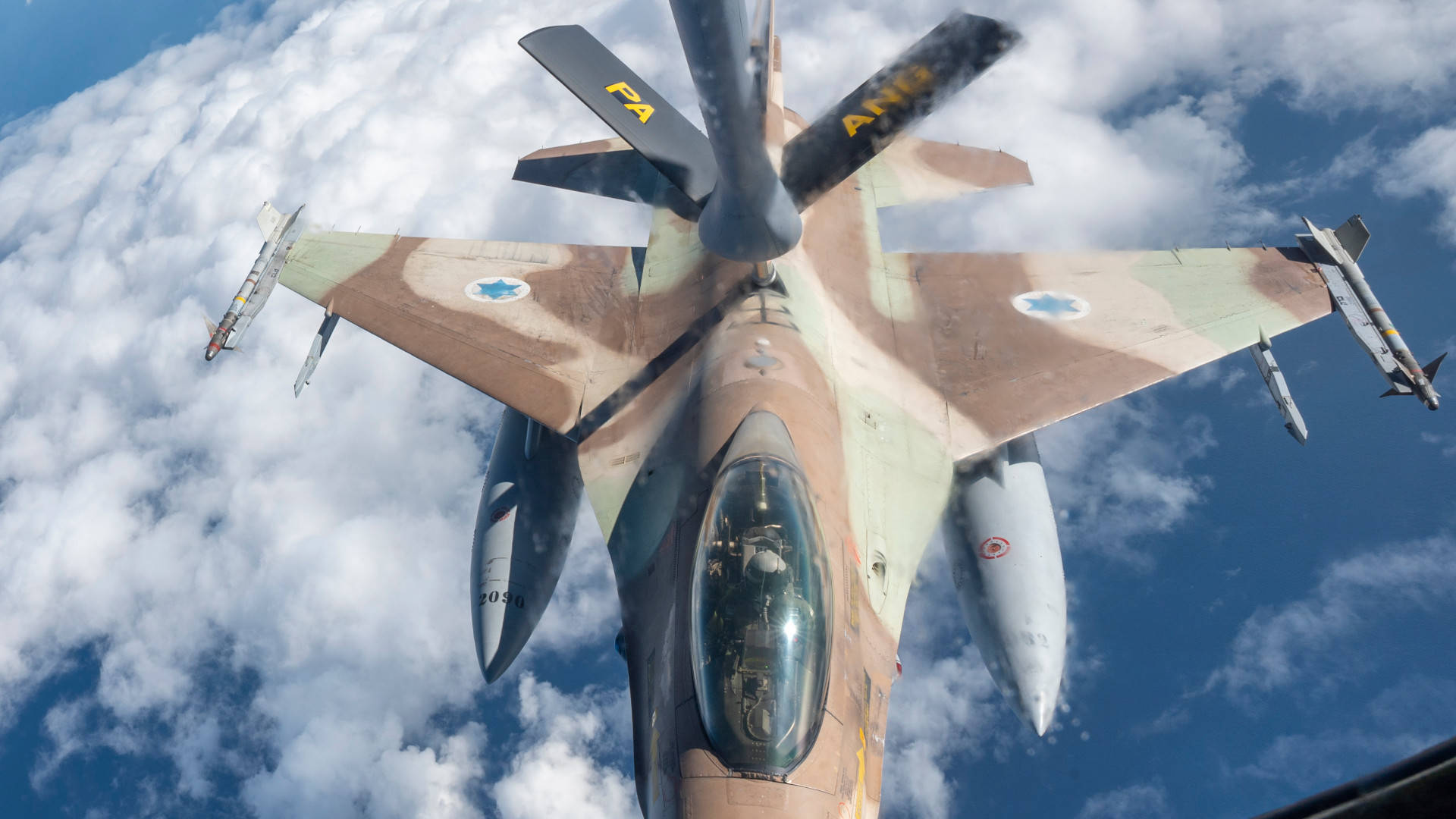
Israel Strikes Iran: Explosions in Tehran, Sirens in Tel Aviv Amid Escalation
Israel launched a preemptive strike on Iran, resulting in explosions reported in Tehran and sirens sounding across Israel as authorities warned of potential missile attacks. The United States is reportedly involved in the strikes, escalating tensions in the Middle East.
Key Highlights
- Israel conducted preemptive strikes against Iranian targets.
- Multiple explosions reported in Iran's capital, Tehran.
- Air raid sirens activated across Israel, including Tel Aviv.
- IDF issued 'proactive alerts' for possible incoming missiles.
- US forces reportedly participated in the strikes on Iran.
- Israel declared a state of emergency nationwide.
On Friday, February 28, 2026, Israel initiated a series of what its Defence Minister, Israel Katz, described as "pre-emptive strikes" against Iran, significantly escalating the long-standing tensions between the two regional adversaries. These attacks led to reports of multiple explosions in Iran's capital, Tehran, while air-raid sirens blared across various cities in Israel, including Tel Aviv.
Eyewitnesses and Iranian state media confirmed explosions in Tehran, with some reports indicating blasts near the offices of Supreme Leader Ayatollah Ali Khamenei and in the downtown area. While Iranian state television acknowledged these incidents, it provided limited details regarding potential casualties or specific targets. Concurrently, the Israeli Defence Forces (IDF) issued immediate "proactive alerts" to citizens nationwide, urging them to remain in proximity to protected spaces due to the "possibility of missiles being launched toward the State of Israel." An NDTV reporter stationed at Ben Gurion Airport in Tel Aviv also confirmed hearing the sirens, highlighting the immediate impact on civilian life.
Israel's Defence Minister, Israel Katz, explicitly stated that the preemptive strikes were undertaken to "remove threats to the State of Israel." News outlets, including The Economic Times and The Express Tribune, indicated that the United States was participating in these Israeli strikes against Iran, with reports suggesting targets included military sites, and potentially nuclear facilities and the Iranian Atomic Energy Agency. This reported US involvement underscores the broader international dimension of the conflict. In response to the escalating situation, Israel promptly declared a state of emergency across the country, further indicating the severity of the perceived threat and the likelihood of Iranian retaliation.
The current escalation follows a period of heightened tensions. Reports from the Council on Foreign Relations and PBS detail a complex timeline of events leading up to this direct confrontation. In April 2024, a suspected Israeli airstrike on an Iranian consular building in Damascus, Syria, resulted in the deaths of Iranian generals and military advisors. Iran retaliated on April 13-14, 2024, with an unprecedented direct missile and drone attack on Israel, marking the first time Iran directly targeted Israeli territory. Israel's response at that time was relatively moderate, focusing on a military site near an Iranian nuclear installation, which helped prevent a full-scale regional war.
However, the conflict intensified further in late 2024 and early 2025. October 2024 saw Iran launch a second direct attack on Israel with over 180 missiles, following the assassination of Hezbollah leader Hassan Nasrallah and Hamas chief Ismail Haniyeh, which Israel reportedly took responsibility for. Israel then openly attacked Iran for the first time on October 26, 2024, targeting air defense systems and missile program sites. The ongoing nuclear negotiations between Iran and the US, and Iran's continued advancements in its nuclear and ballistic missile programs, have been cited as underlying factors contributing to the current direct military confrontation.
In the immediate aftermath of today's strikes, airspace in both Iran and Israel was shut down, with flight reroutes observed. Furthermore, reports of explosions and sirens were heard in other Middle Eastern countries such as Bahrain, Qatar, UAE, and Jordan, indicating the regional impact and potential for wider destabilization. The international community has consistently called for de-escalation, but the direct exchanges of strikes between Iran and Israel, with confirmed US involvement, represent a critical juncture in the long-standing proxy conflict, raising fears of a broader regional war. The situation remains highly fluid, with global implications for geopolitics and international security.
Frequently Asked Questions
What happened between Iran and Israel on February 28, 2026?
On February 28, 2026, Israel launched a series of 'preemptive strikes' against targets in Iran, resulting in reports of explosions in Tehran. Concurrently, air-raid sirens sounded across Israeli cities, including Tel Aviv, as the Israel Defence Forces (IDF) warned of potential missile attacks from Iran. The United States reportedly participated in these strikes.
Why did Israel launch strikes on Iran?
Israel's Defence Minister Israel Katz stated the strikes were 'pre-emptive' and aimed to 'remove threats to the State of Israel'. This action follows a long period of escalating tensions, including previous direct exchanges of strikes and concerns over Iran's nuclear and ballistic missile programs.
Was the United States involved in the attacks?
Yes, reports from several news outlets indicate that the United States participated in the Israeli strikes against Iran. This highlights the international involvement and the potential for a broader regional impact.
What was the immediate impact of the strikes?
Immediately after the strikes, explosions were reported in Tehran and sirens sounded in cities across Israel, prompting alerts for citizens to seek shelter. Airspace in both countries was shut, and there were also reports of explosions and sirens in other Middle Eastern countries, indicating a widespread regional impact. Israel declared a state of emergency.
What are the broader implications of this escalation?
This direct military confrontation between Israel and Iran, with US involvement, marks a critical escalation in Middle East tensions. It raises significant fears of a wider regional war and has global implications for geopolitics, security, and potentially oil markets.