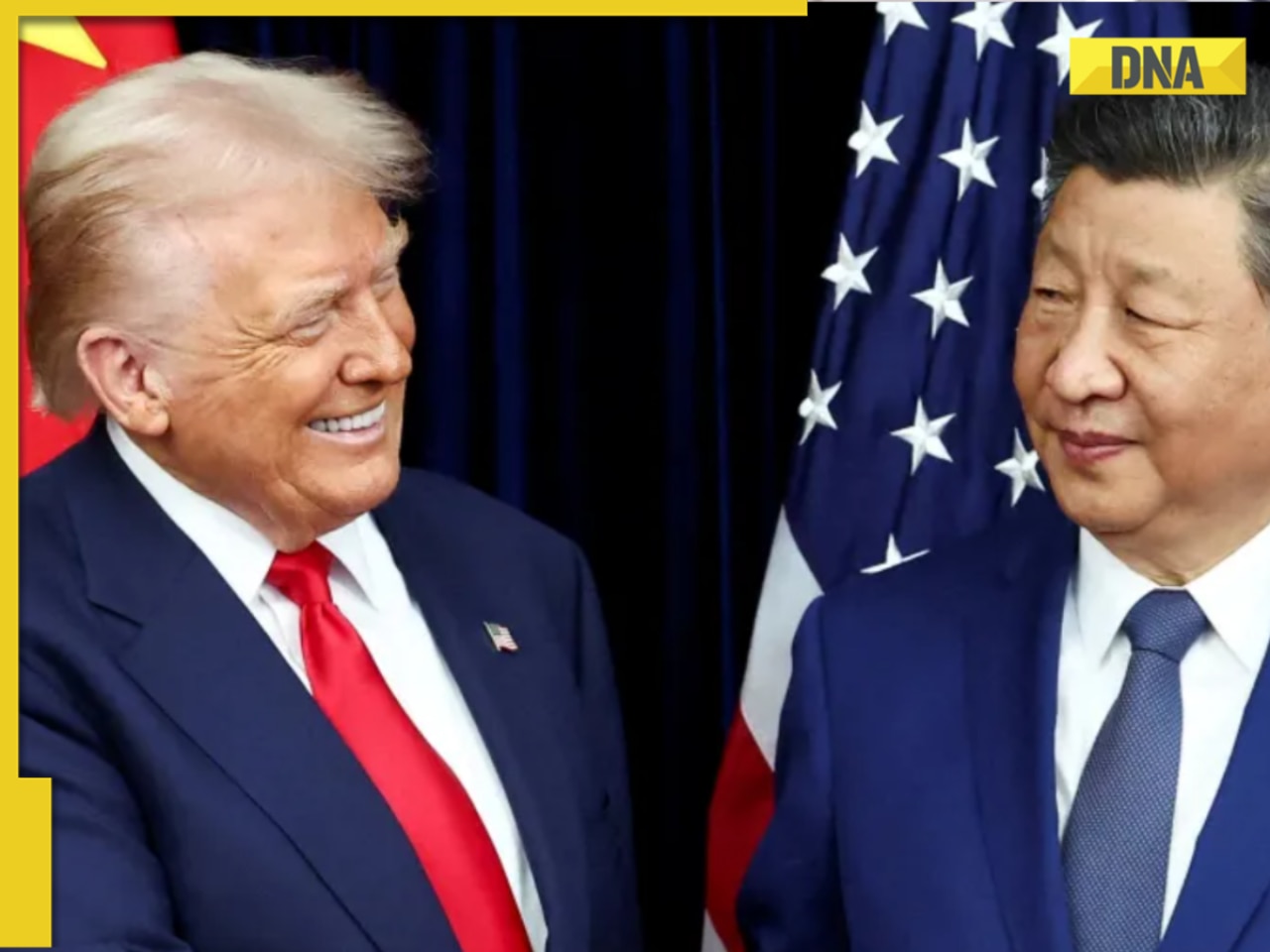
Trump in China: Talks focus on Iran, Taiwan, and trade
U.S. President Donald Trump arrived in China for a high-stakes summit with President Xi Jinping, with discussions centered on the Iran war, U.S. arms sales to Taiwan, and trade relations. This visit, the first by a U.S. president to China in nearly a decade, aims to stabilize bilateral ties amidst geopolitical complexities. Both leaders are expected to address issues of mutual concern, seeking pragmatic outcomes rather than major breakthroughs.
Key Highlights
- Trump and Xi Jinping to discuss Iran war, Taiwan arms sales, and trade.
- This is the first U.S. presidential visit to China in almost nine years.
- The summit aims to stabilize U.S.-China relations amid existing tensions.
- Key business leaders accompany Trump, signaling economic focus.
- The visit was previously postponed due to the Iran conflict.
- Both nations seek pragmatic deals over significant breakthroughs.
U.S. President Donald Trump has arrived in China for a crucial two-day summit with President Xi Jinping, marking the first such visit by a U.S. president in nearly a decade. The agenda is dominated by complex geopolitical and economic issues, including the ongoing Iran war, U.S. arms sales to Taiwan, and the broader trade relationship between the world's two largest economies. This high-stakes meeting, held from May 13-15, 2026, aims to stabilize the often-fraught U.S.-China relationship, which has been strained by years of trade friction, technology disputes, and security concerns.
The Iran war has cast a significant shadow over the summit. Trump has sought China's influence in Tehran to advance peace talks and ensure the unhindered passage through the Strait of Hormuz, a critical route for oil imports, including for China. While publicly downplaying the need for China's help, Trump has acknowledged that Beijing has an interest in the waterway's stability due to its reliance on oil imports. The U.S. has also recently imposed sanctions on Chinese firms accused of aiding Iranian oil shipments, adding another layer of complexity to the discussions.
Taiwan remains a prominent and sensitive issue on the agenda. China views Taiwan as a breakaway province, and U.S. arms sales to the island are a major point of contention. Trump has stated his intention to discuss these arms sales with Xi, a departure from previous U.S. policy of not consulting Beijing on such matters. China is expected to push for a shift in U.S. policy regarding Taiwan, potentially seeking an explicit statement opposing Taiwan's independence. The U.S. adheres to a 'one-China policy' but is legally bound to help Taiwan with its defense, making this a delicate balancing act.
Trade is another central pillar of the summit. Following years of tariff battles, both sides are looking to stabilize their economic relationship. Trump's goals may include securing deals on agricultural products like soybeans and potentially aircraft from Boeing. China, on its part, seeks to consolidate its technological and industrial position and potentially gain relief on U.S. export controls for advanced technology. The presence of numerous high-profile U.S. business leaders, including CEOs from Apple, Tesla, and Nvidia, underscores the economic dimension of the visit, though major breakthroughs are not widely expected, with a focus on pragmatic outcomes.
The summit was notably postponed from March due to the Iran conflict, highlighting its geopolitical significance. This visit is Trump's second state visit to China, the first having occurred in November 2017 during his first presidency. The current visit, taking place in May 2026, is the first by a U.S. president in almost nine years, emphasizing the rarity and importance of such high-level engagements. While both leaders have expressed a desire for a stable relationship, the underlying strategic competition between the U.S. and China is expected to continue.
Overall, the Trump-Xi summit is poised to address a complex web of issues, with both sides aiming to manage their significant differences while seeking areas of common ground. The outcomes will be closely watched for their impact on regional stability, global trade, and the future trajectory of U.S.-China relations. The visit underscores the intricate nature of the U.S.-China relationship, where cooperation on global challenges often coexists with deep-seated rivalry.
Frequently Asked Questions
What are the main topics of discussion between President Trump and President Xi Jinping?
The primary topics of discussion include the ongoing Iran war, U.S. arms sales to Taiwan, and the trade relationship between the United States and China. Other issues like technology and regional security may also be addressed.
Why is this visit significant?
This visit is significant as it is the first trip by a U.S. president to China in nearly a decade and aims to stabilize the complex relationship between the two global powers amidst various geopolitical and economic challenges.
Has the visit been postponed before?
Yes, the summit was previously postponed from March due to the ongoing Iran conflict, highlighting the war's impact on international diplomacy.
What is China's stance on Taiwan?
China considers Taiwan a breakaway province and a core domestic issue. It views U.S. arms sales to Taiwan as a significant irritant and a challenge to its sovereignty.