JD Vance Links US-Iran Deal Delay to Pakistan's Press Freedom
US Vice President JD Vance attributed the delay in releasing the US-Iran Memorandum of Understanding (MoU) to the absence of press freedom in Pakistan and Qatar, countries that mediated the peace deal. This statement, made in a podcast, caused embarrassment for Pakistan, which had highlighted its role in brokering the agreement to end the West Asia conflict. The full text of the MoU was eventually released two days after its initial announcement.
Key Highlights
- JD Vance blamed Pakistan and Qatar's press freedom for deal delay.
- The delay concerned the public release of US-Iran peace MoU.
- Pakistan and Qatar mediated the significant US-Iran agreement.
- Vance's remarks caused diplomatic embarrassment for Pakistan.
- Pakistan has a low ranking in the World Press Freedom Index.
- The US-Iran MoU aims to end conflict and address nuclear issues.
US Vice President JD Vance recently ignited a diplomatic stir by publicly attributing the delay in releasing the full text of a critical Memorandum of Understanding (MoU) between the United States and Iran to a perceived lack of press freedom in Pakistan and Qatar. Speaking on 'Interesting Times with Ross Douthat' podcast, Vance stated that differences in political culture, specifically the absence of First Amendment-like protections and freedom of the press in the Pakistani and Qatari systems, contributed to the delay. He suggested that unlike in the US, there isn't the same expectation for the public in these mediating nations to thoroughly 'interrogate and look at and analyze and understand for themselves' the details of such agreements.
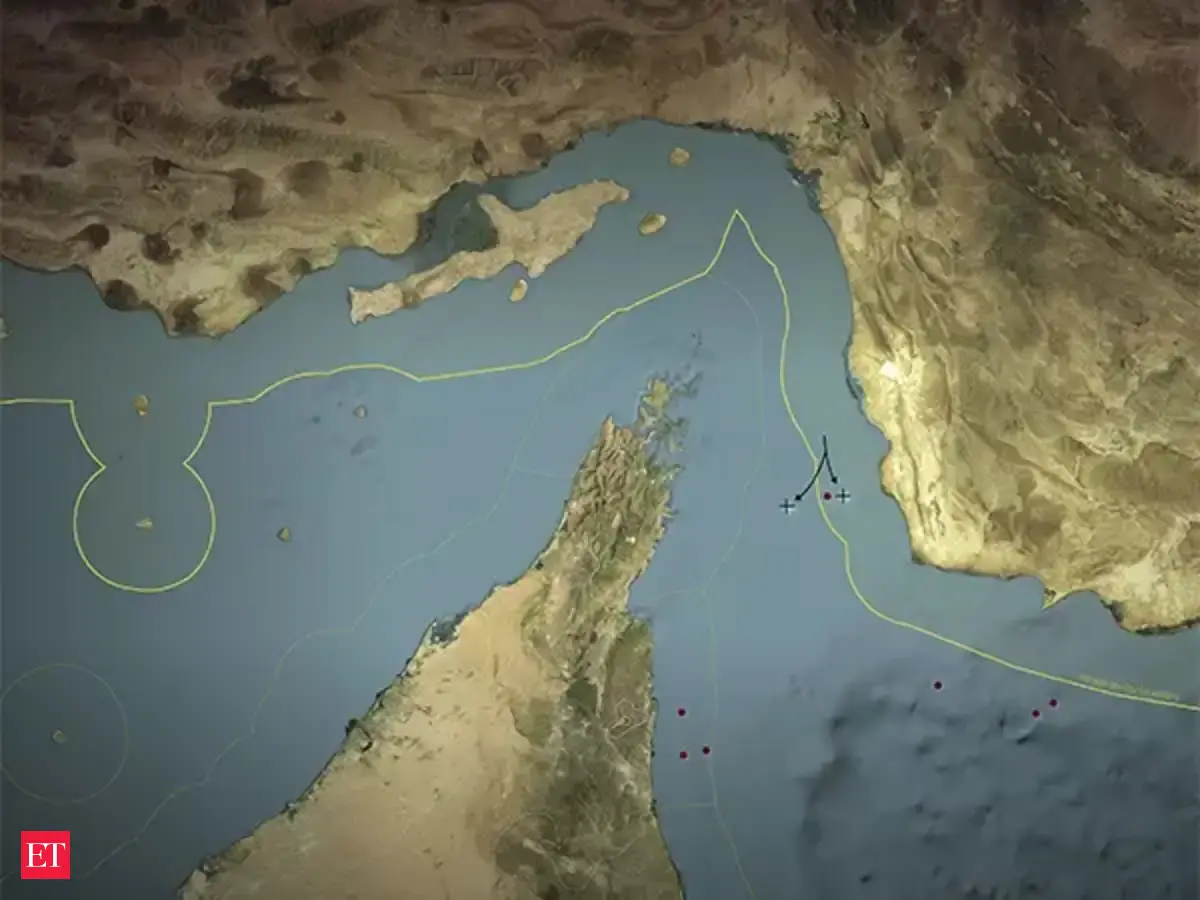
This controversial statement came days after US President Donald Trump had announced an interim peace deal with Iran on June 15, which was brokered through the significant mediation efforts of both Pakistan and Qatar. The full text of the MoU, however, was only made public two days later, on June 17, following public scrutiny and criticism. The agreement itself is a comprehensive document designed to de-escalate the ongoing conflict in West Asia, facilitate the reopening of the strategically vital Strait of Hormuz for commercial shipping, and pave the way for sanctions relief for Iran. It also includes provisions for a reconstruction and economic development plan for Iran worth at least $300 billion, and commits Iran to not procuring or developing nuclear weapons, under International Atomic Energy Agency supervision.
Vance's remarks were particularly embarrassing for Pakistan, which had actively championed its role, alongside Qatar, in fostering dialogue between Washington and Tehran. Pakistan's Prime Minister Shehbaz Sharif had initially announced a formal signing ceremony for the US-Iran peace deal in Switzerland. However, this event was subsequently postponed, and it was later confirmed by Pakistan's Deputy Prime Minister and Foreign Minister Ishaq Dar that the agreement had been signed remotely and entered into force electronically, leading to confusion and diplomatic blunders. The uncertainty was further compounded when Sharif reportedly edited an earlier social media post that had referred to Pakistan and Qatar hosting an official ceremony. Despite the diplomatic setbacks, Pakistan's Interior Minister Mohsin Naqvi reportedly traveled to Iran, signaling Islamabad's continued commitment to mediating a broader agreement.
The broader context of US-Iran negotiations has been fraught with challenges. Earlier in April 2026, high-stakes talks between the US and Iran, also mediated by Pakistan in Islamabad, had failed to yield a peace deal. During those discussions, US Vice President Vance had indicated that Iran refused to accept terms related to not developing nuclear weapons. The current MoU appears to be an interim arrangement, with discussions on more contentious issues, particularly Iran's nuclear program, left for future negotiations.
Vance's comments also brought renewed attention to Pakistan's record on press freedom. International assessments, such as the World Press Freedom Index, consistently rank Pakistan low (153rd out of 180 countries), highlighting persistent concerns about media restrictions, censorship, intimidation, and legal pressures faced by journalists and news organizations in the country. The US Vice President's statement, therefore, resonated with existing criticisms regarding the state of media freedoms in Pakistan and Qatar, suggesting a clash of transparency expectations in international diplomacy. The full text of the agreement was eventually published after pressure from Democratic lawmakers and public demand for transparency regarding the concessions made to Iran to end the conflict.
The news was widely reported by various Indian news outlets, including NDTV, The Times of India, Hindustan Times, and News24, among others, indicating its significance for an Indian audience interested in international diplomacy, particularly concerning the Middle East and South Asia.
Frequently Asked Questions
What exactly did JD Vance say about Pakistan and the Iran agreement?
US Vice President JD Vance stated that the delay in publicly releasing the US-Iran Memorandum of Understanding (MoU) was partly due to the absence of press freedom and First Amendment protections in the 'Pakistani and Qatari systems.' He implied that these countries lack the expectation for full public transparency on such documents.
What is the US-Iran agreement that JD Vance referred to?
The agreement is a Memorandum of Understanding (MoU) between the United States and Iran, which was mediated by Pakistan and Qatar. It aims to end the conflict in West Asia, reopen the Strait of Hormuz, provide sanctions relief to Iran, and includes commitments from Iran regarding its nuclear program.
How has Pakistan reacted to JD Vance's comments?
JD Vance's remarks, coupled with the cancellation of a planned signing ceremony in Switzerland after Pakistan's Prime Minister Shehbaz Sharif had announced it, caused diplomatic embarrassment for Pakistan, which had been highlighting its role as a key mediator.
What is the status of press freedom in Pakistan?
Pakistan has a low ranking in international press freedom assessments, such as the World Press Freedom Index (153rd out of 180 countries). Concerns persist regarding media restrictions, censorship, intimidation, and legal pressures on journalists.
What are the broader implications of this US-Iran agreement?
The agreement is an interim step aimed at ending the West Asia conflict, with further negotiations expected on tougher issues like Iran's nuclear program. It has significant geopolitical implications, affecting global shipping through the Strait of Hormuz and regional stability.