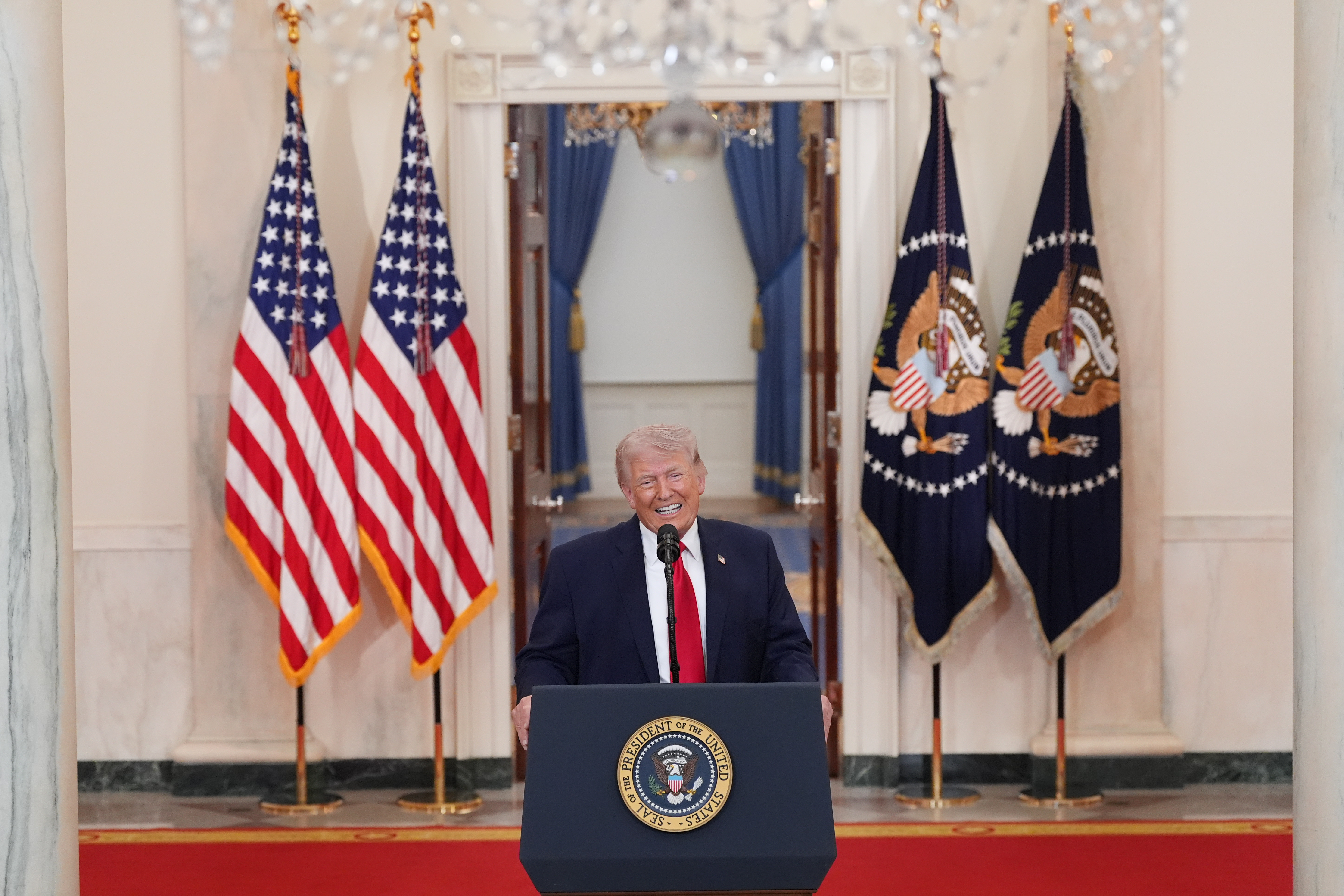
Trump Imposes 100% Drug Tariffs, Tightens Metal Import Rules
Former US President Donald Trump has implemented 100% tariffs on patented pharmaceutical imports from companies not meeting specific conditions, alongside revised duties on steel, aluminum, and copper. These actions, citing national security, aim to incentivize domestic manufacturing and lower drug prices, impacting global trade and supply chains.
Key Highlights
- Trump announced 100% tariffs on select patented pharmaceutical imports.
- Tariffs target firms not lowering prices or manufacturing in the US.
- Metal import rules tightened via Section 232, citing national security.
- Exemptions exist for drugs, and reduced tariffs for specific trade partners.
- New metal tariffs apply to primary products and certain derivatives.
- Policies aim to boost US domestic production and supply chain security.
Former United States President Donald Trump has officially enacted significant trade measures, imposing 100% tariffs on certain patented pharmaceutical products and ingredients, while simultaneously tightening existing import rules for steel, aluminum, and copper. These actions, announced around April 2-3, 2026, are part of a broader protectionist strategy aimed at bolstering domestic manufacturing, securing critical supply chains, and driving down drug prices in the U.S.
The 100% tariff on pharmaceuticals specifically targets patented drugs imported from companies that have not agreed to the administration's demands, which include reducing retail prices through 'Most Favored Nation' (MFN) initiatives or establishing manufacturing facilities within the United States. This high tariff rate will take effect in 120 days for larger pharmaceutical companies and 180 days for smaller firms, providing a window for negotiation and compliance. However, there are notable exemptions and preferential rates. Products from key trading partners like the European Union, Japan, South Korea, Switzerland, and Liechtenstein will face a significantly reduced tariff of 15% due to existing trade agreements. The United Kingdom has secured an even lower rate of 10%, with the potential for it to drop to zero under future agreements, partly influenced by commitments from major UK pharmaceutical companies like GSK.
Companies that commit to 'onshoring' their manufacturing operations to the U.S. will see their imported products taxed at a 20% rate, rather than the full 100%. Furthermore, drugmakers who have already entered into MFN pricing agreements with the Trump administration are completely exempt from these tariffs until January 20, 2029. A significant win for consumers and the generics industry is the explicit exemption of generic medicines and their associated ingredients from these new duties. Orphan drugs and certain specialty pharmaceutical products are also exempt, particularly if they originate from countries with trade deals or address an urgent public health need.
The administration justifies these pharmaceutical tariffs under Section 232 of the U.S. Trade Expansion Act of 1962, a provision that allows the President to restrict imports deemed a threat to national security. A Department of Commerce probe concluded that reliance on imported pharmaceuticals and active pharmaceutical ingredients (APIs) indeed poses such a threat, underscoring the drive to secure a domestic drug supply.
In parallel with the drug tariffs, President Trump has also announced substantial adjustments and tightening of existing import tariffs on steel, aluminum, and copper. This overhaul, also leveraging the national security clause of Section 232, aims to simplify the tariff regime while reinforcing protections for domestic metal industries. The revised regime applies tariffs to the full customs value of imported products, with rates of up to 50% on primary steel, aluminum, and copper. This move addresses loopholes where importers reportedly manipulated declared values to reduce tariff liabilities.
For derivative products containing these metals, the rules have been streamlined. Items with less than 15% metal content by weight are now exempt from the tariffs. However, derivative products with substantial metal content (over 15%) will face a revised tariff of 25% on their entire imported value, a shift from the previous system that attempted to isolate the value of the metal content. These changes build upon earlier Section 232 tariffs on steel (25%) and aluminum (10%) that have been in place since March 2018, which have seen subsequent amendments and expansions.
The implications of these tariff changes are global. Countries like India, China, Singapore, and Japan are among those identified as potentially facing significant impacts from the pharmaceutical tariffs, particularly for patented drug exports. The changes to metal tariffs will also directly affect Indian metal exporters. While the administration anticipates a boost to domestic manufacturing and a more secure supply chain, critics warn of potential increases in consumer prices and disruptions to global trade relations.
These measures signal a continued focus by the Trump administration on protectionist trade policies, using tariffs as a tool to incentivize domestic production and secure national interests across critical sectors like pharmaceuticals and metals.
Frequently Asked Questions
What are the new tariffs on pharmaceutical products?
Former US President Donald Trump has imposed a 100% tariff on imported patented pharmaceutical products and ingredients from companies that have not agreed to lower their prices or establish manufacturing facilities in the United States.
Which countries are affected by these new tariffs?
The tariffs primarily affect pharmaceutical imports into the US. While the 100% rate applies broadly, countries with trade deals like the EU, Japan, South Korea, Switzerland, and Liechtenstein face a 15% tariff, and the UK faces a 10% tariff. Countries like India, China, Singapore, and Ireland are also among those whose pharmaceutical exports could be significantly impacted.
How have metal import rules been tightened?
The Trump administration has revised and tightened tariffs on steel, aluminum, and copper imports, using the national security clause (Section 232) of US trade law. This includes applying up to 50% tariffs on primary metals and 25% on certain derivative products, while exempting low-metal-content items.
What is the primary goal of these tariff policies?
The main objectives are to incentivize pharmaceutical companies to manufacture drugs within the United States, secure domestic supply chains for essential medicines, and encourage lower drug prices. For metals, the goal is to protect and boost the domestic metal industries.
Are generic drugs affected by the new pharmaceutical tariffs?
No, generic medicines and their associated ingredients are currently exempt from the new 100% tariffs on patented pharmaceuticals.