Nepal Election 2026: Key Candidates and Issues in March 5 Polls
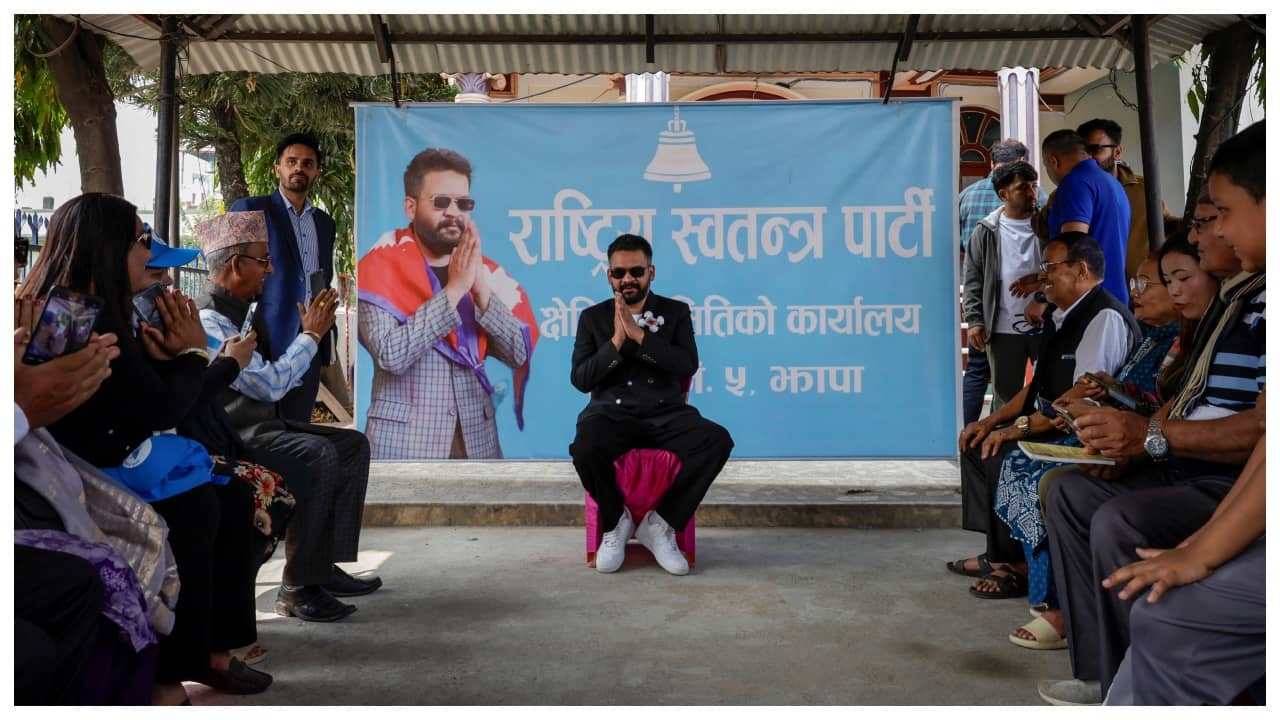
Nepal is gearing up for its general election on March 5, 2026, following significant anti-corruption protests in September 2025 that led to the dissolution of parliament. The election will see a contest between established parties and emerging forces, with key candidates including Balendra Shah, K.P. Sharma Oli, Gagan Thapa, and Pushpa Kamal Dahal. Major issues include corruption, job creation, and foreign relations with India and China.
Key Highlights
- Nepal's general election is scheduled for March 5, 2026.
- Key candidates include Balendra Shah, K.P. Sharma Oli, Gagan Thapa, and Pushpa Kamal Dahal.
- Major election issues are corruption, job creation, and foreign policy.
- The election follows significant youth-led anti-corruption protests in September 2025.
- Nearly 19 million voters are eligible to cast their ballots.
- The election will determine Nepal's political direction and economic transformation.
Nepal is set to hold its general election on March 5, 2026, a pivotal event following the widespread youth-led anti-corruption protests in September 2025 that led to the dissolution of parliament and the resignation of Prime Minister K.P. Sharma Oli. The election for the 275-member House of Representatives marks a significant democratic exercise aimed at ushering in new leadership and addressing public discontent. The interim government, led by former Chief Justice Sushila Karki, has been tasked with overseeing this process, with elections announced for well ahead of the constitutional deadline.
The political landscape is dynamic, featuring a contest between established parties and emerging political forces. Among the prominent candidates vying for leadership are Balendra Shah, a rapper-turned-politician and former Kathmandu mayor representing the Rastriya Swatantra Party (RSP); K.P. Sharma Oli, the 74-year-old chairman of the Communist Party of Nepal (Unified Marxist-Leninist) (CPN-UML) and a four-time former prime minister; Gagan Thapa, the 49-year-old leader of the Nepali Congress; and Pushpa Kamal Dahal, the 71-year-old leader of the Nepal Communist Party.
The election campaign period, which officially began on February 16, 2026, will span 15 days, concluding on March 3, 2026. The Election Commission has enforced an Election Code of Conduct to ensure a free, fair, and transparent electoral process. A total of 3,484 candidates from 68 political parties, along with independent contenders, are competing for the 275 seats in the House of Representatives. The seats are filled through two systems: 165 through the First-Past-the-Post (FPTP) system, where the candidate with the most votes wins in a constituency, and 110 through a party-list proportional representation system. The CPN-UML and Nepali Congress are the only parties fielding candidates in all 165 FPTP constituencies.
Key issues dominating the election discourse include deep-seated public frustration with corruption, the urgent need for job creation amidst high youth unemployment, and the delicate balance of foreign relations with neighboring India and China, both significant trade partners and regional powers. The September 2025 protests, which were largely driven by 'Gen Z' and exposed weaknesses in governance and accountability, have significantly energized younger voters. Nearly one million new voters, many of them youth, have been added to the electoral rolls, potentially reshaping the political arithmetic.
Manifestos released by the major parties highlight a focus on mega infrastructure projects, governance reforms, social security, and employment generation. However, experts note that climate and environmental issues have received limited attention despite rising climate risks. The Rastriya Swatantra Party, for instance, pledges to reposition Nepal as a 'vibrant bridge' through economic partnerships with India and China, while the Nepali Congress emphasizes infrastructure development and offers a more predictable stance for India and Western partners.
Security arrangements for the election are robust, with joint patrols by the Nepal Police, Armed Police Force, and Nepal Army deployed to maintain law and order. The Election Commission has identified a significant number of polling booths as highly sensitive and sensitive, underscoring the importance of a secure electoral process.
For international visitors, the election day on March 5, 2026, will see a nationwide shutdown of public services and transport, including domestic flights. Travelers are advised to plan their itineraries accordingly, arriving at least 48 hours before or after the election day to avoid disruptions.
This election is seen not only as a test of political strength but also of democratic credibility in Nepal. The outcome will determine the country's future political trajectory and its approach to governance and economic transformation, potentially ushering in new leadership or reinforcing familiar power dynamics.
Frequently Asked Questions
When is the Nepal general election scheduled for?
Nepal's general election for the House of Representatives is scheduled for March 5, 2026.
Who are the main candidates for the Prime Minister position?
Key contenders for the Prime Minister position include Balendra Shah (Rastriya Swatantra Party), K.P. Sharma Oli (CPN-UML), Gagan Thapa (Nepali Congress), and Pushpa Kamal Dahal (Nepal Communist Party).
What are the main issues in the 2026 Nepal election?
The primary issues include tackling corruption, creating jobs, and managing foreign relations with India and China.
What was the context for these elections?
The elections are being held after significant youth-led anti-corruption protests in September 2025, which led to the dissolution of parliament and the resignation of the previous Prime Minister.