Amit Shah, JP Nadda appointed BJP observers for West Bengal and Assam
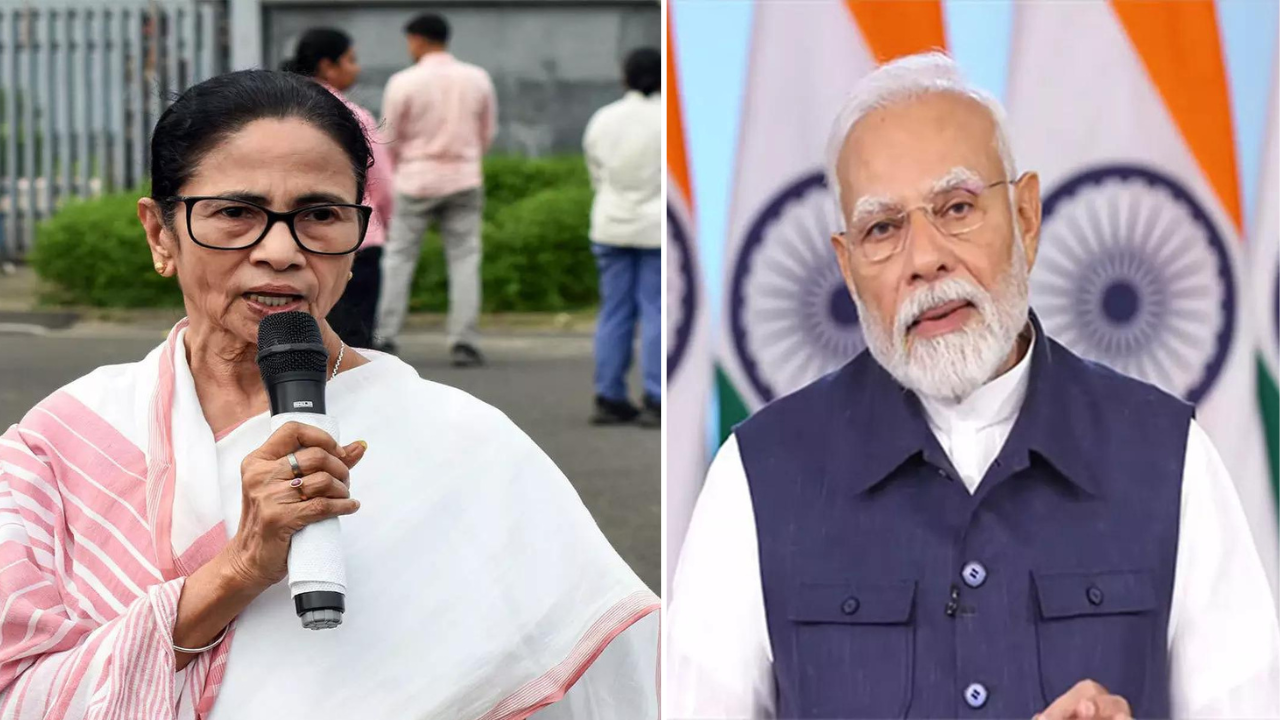
Following significant electoral victories, the BJP has appointed Union Home Minister Amit Shah as the central observer for West Bengal and Union Minister JP Nadda for Assam. They will oversee the selection of legislative party leaders and the formation of new governments in both states. The appointments come after the BJP secured a historic win in West Bengal and retained power in Assam for a third consecutive term.
Key Highlights
- Amit Shah appointed observer for West Bengal government formation.
- JP Nadda appointed observer for Assam government formation.
- BJP secured historic win in West Bengal Assembly elections.
- BJP retained power in Assam for third consecutive term.
- Co-observers have also been appointed for both states.
In a significant political development following the recent Assembly election results, the Bharatiya Janata Party (BJP) has appointed Union Home Minister Amit Shah as the central observer for West Bengal and Union Minister JP Nadda as the central observer for Assam. These appointments are crucial for overseeing the process of selecting the legislative party leaders and subsequently forming the new governments in both states.
The BJP secured a historic mandate in West Bengal, marking its first-ever government formation in the state. According to election data, the party won 207 out of the 294 Assembly seats, decisively unseating the incumbent Trinamool Congress (TMC). This victory represents a major milestone for the BJP, which had been striving to establish a significant political presence in West Bengal for decades. The party's intensive campaign, spearheaded by Amit Shah himself, appears to have yielded substantial results, leading to what is being termed a "paradigm shift" in the state's political landscape.
In Assam, the BJP-led National Democratic Alliance (NDA) successfully retained power for a third consecutive term. The alliance secured a comfortable majority in the 126-member Assembly, with the BJP winning 82 seats. Its allies, the Asom Gana Parishad (AGP) and the Bodoland People's Front (BPF), contributed with 10 seats each, consolidating the ruling coalition's position. The Congress-led opposition secured 19 seats, indicating a continued dominance of the NDA in the state.
To facilitate the government formation process, the BJP has also designated co-observers for both states. Odisha Chief Minister Mohan Charan Majhi will serve as the co-observer for West Bengal, while Haryana Chief Minister Nayab Singh Saini will assist JP Nadda in Assam. These observers are tasked with the critical responsibility of interacting with the newly elected Members of the Legislative Assembly (MLAs) to finalize the choice of the legislative party leader, who will then be sworn in as the Chief Minister.
The appointments underscore the strategic importance the BJP places on consolidating its gains and ensuring smooth transitions in these key northeastern states. Amit Shah's role as the chief strategist for the West Bengal campaign, coupled with his appointment as the central observer, highlights the high stakes involved in the state's political future. The party's success in West Bengal is particularly significant, as it has long been an ideological battleground for the BJP, aligning with its broader vision of cultural nationalism.
The election results in West Bengal and Assam, along with outcomes in other states like Tamil Nadu and Kerala, are seen as a major indicator of the shifting political dynamics across India. The BJP's performance in these elections is expected to influence its strategy for upcoming national elections and further solidify its position as a dominant national force. The appointment of observers is a procedural step that follows the declaration of results and precedes the formal swearing-in ceremonies, signaling the party's readiness to govern in the states where it has emerged victorious.
In West Bengal, the legislative party meeting to elect the Chief Minister is scheduled for May 9th. This formal process, overseen by Amit Shah and his co-observer, will mark the culmination of the BJP's electoral campaign and the beginning of its governance in the state. The BJP's success in West Bengal is a testament to its persistent efforts and strategic planning, aiming to expand its footprint across India. The party's ability to secure power in a state previously dominated by regional parties signifies a considerable political achievement.
Similarly, in Assam, the observers will facilitate the selection of the new Chief Minister, ensuring continuity and stability in the state's governance. The consistent electoral success of the NDA in Assam for three consecutive terms reflects the party's sustained appeal and effective governance in the region. The BJP's strategic appointments of prominent leaders as observers demonstrate its commitment to robust internal processes and effective leadership selection, crucial for maintaining public trust and political momentum.
Frequently Asked Questions
Who has been appointed as the central observer for West Bengal by the BJP?
Union Home Minister Amit Shah has been appointed as the central observer for West Bengal by the BJP.
Who is the central observer appointed for Assam?
Union Minister JP Nadda has been appointed as the central observer for Assam by the BJP.
What is the significance of these appointments?
These appointments are to oversee the selection of legislative party leaders and the formation of new governments in West Bengal and Assam, following the BJP's victories in the recent Assembly elections.
What were the election results in West Bengal and Assam?
The BJP secured a historic victory in West Bengal, forming its first government in the state. In Assam, the BJP-led NDA retained power for a third consecutive term.