India Monitors Central Africa Ebola Outbreak; Strengthens Preparedness
India's Health Ministry is closely monitoring the Ebola outbreak in the Democratic Republic of Congo and Uganda, which has been declared a Public Health Emergency of International Concern by the WHO. While the risk to India remains minimal, the country is enhancing surveillance and preparedness measures at entry points and within its public health system.
Key Highlights
- India closely monitoring Ebola outbreak in DRC and Uganda.
- WHO declared outbreak a Public Health Emergency.
- Risk to India remains minimal; precautionary measures enhanced.
- Surveillance and preparedness measures strengthened at entry points.
- Laboratory preparedness and case management protocols reviewed.
- Public urged not to panic and to rely on official updates.
The Indian Ministry of Health and Family Welfare is actively monitoring the Ebola Virus Disease (EVD) outbreak caused by the Bundibugyo virus strain in the Democratic Republic of Congo (DRC) and Uganda. This closely follows the World Health Organization's (WHO) declaration of the situation as a Public Health Emergency of International Concern (PHEIC) on May 17, 2026..
Officials from the Ministry, including representatives from the National Centre for Disease Control (NCDC), Integrated Disease Surveillance Programme (IDSP), and the Indian Council of Medical Research (ICMR), convened to review the evolving situation and implement precautionary public health measures.. A senior Ministry official emphasized that there are currently no reported cases of Ebola in India and that the risk to the country is considered minimal..
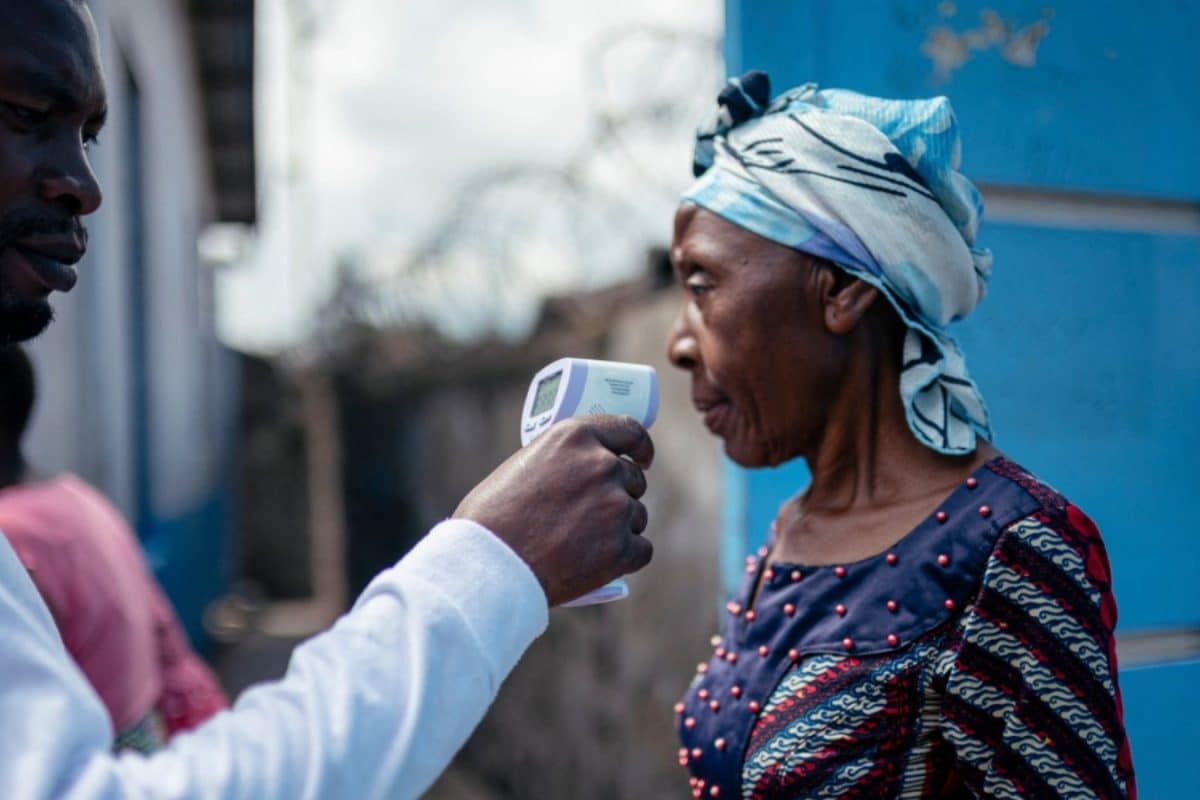
Despite the low risk, the government is taking 'abundant caution' by strengthening surveillance and preparedness measures at all points of entry into India and throughout the public health system.. Key preparedness initiatives include a thorough review of Standard Operating Procedures (SOPs) for screening, surveillance, quarantine, and case management.. Laboratory preparedness is also being bolstered, with the National Institute of Virology (NIV) in Pune designated as the nodal testing facility, and additional laboratories being brought online in phases to enhance testing capacity..
Coordination with various ministries and agencies, including civil aviation and immigration, has been intensified to effectively monitor international travel from the affected regions.. Isolation and quarantine facilities at major airports and ports have been identified and readied to manage any potential suspected cases..
The Ministry has urged the public and the media to remain calm and refrain from spreading unverified information. It reassured citizens that India's public health system is vigilant and fully equipped to respond to any emerging situation.. Citizens are advised to rely on official updates from the Ministry of Health & Family Welfare and the WHO for accurate information..
The Ebola outbreak in Central Africa, caused by the Bundibugyo virus strain, has seen over 336 suspected cases and at least 88 deaths reported in the DRC and Uganda as of May 16, 2026.. The WHO's declaration of a PHEIC underscores the seriousness of the outbreak, highlighting concerns about cross-border spread and uncertainties regarding the epidemic's full scale.. The Bundibugyo strain is particularly concerning as it is rare and has no approved vaccines or specific treatments, with historically high fatality rates..
India has a history of preparedness for Ebola, with past measures including airport inspections and committee formations to ensure adherence to quarantine guidelines, even when no cases were reported domestically.. The current proactive stance reflects a continued commitment to safeguarding public health against potential international health threats..
Frequently Asked Questions
What is the current status of the Ebola outbreak in Central Africa?
As of mid-May 2026, there is an Ebola outbreak caused by the Bundibugyo virus strain in the Democratic Republic of Congo (DRC) and Uganda. The World Health Organization (WHO) has declared it a Public Health Emergency of International Concern (PHEIC), with over 336 suspected cases and at least 88 deaths reported in the DRC and Uganda.
What is India's response to the Ebola outbreak?
India's Ministry of Health and Family Welfare is closely monitoring the situation and has strengthened surveillance and preparedness measures at points of entry and within its public health system. This includes reviewing screening, quarantine, and case management protocols, and enhancing laboratory preparedness.
Is there a risk of Ebola spreading to India?
Indian health officials state that the risk of Ebola spreading to India is minimal. However, as a precautionary measure, the country is enhancing its preparedness and surveillance systems.
What is the Bundibugyo virus strain of Ebola?
The Bundibugyo virus is a rare strain of Ebola that has been responsible for only two previous outbreaks before the current one. It is a concern because there are no approved vaccines or specific treatments for it, and it has historically high fatality rates.