Karnataka's Hate Speech Bill on Hold Amid Free Speech Concerns | Quick Digest
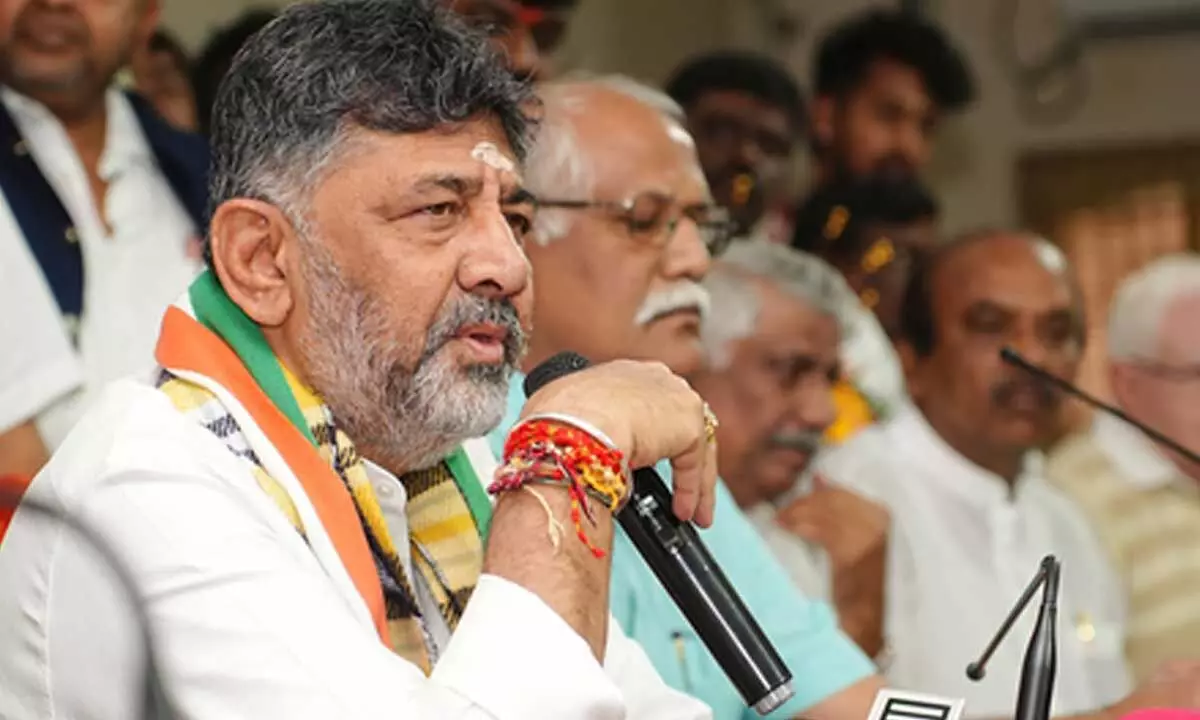
Karnataka's controversial Hate Speech and Hate Crimes (Prevention) Bill, passed by the state legislature, is currently on hold as Governor Thaawar Chand Gehlot has withheld his assent. The proposed law, aimed at curbing expressions causing disharmony, faces significant opposition due to concerns over free speech infringement.
Karnataka's Hate Speech and Hate Crimes Bill is currently on hold by the Governor.
The bill defines hate speech and hate crimes based on various prejudicial interests.
It proposes imprisonment of up to seven years and substantial fines for offenders.
Opponents, including BJP, fear the law's misuse against free speech and dissent.
Provisions include collective liability for organisations and powers to block online content.
The Indian state of Karnataka has been at the forefront of a significant legislative debate concerning the introduction of a comprehensive law to combat hate speech and hate crimes. The Karnataka Hate Speech and Hate Crimes (Prevention) Bill, 2025, was passed by both houses of the state legislature in December 2025, reflecting the state government's intent to address rising communal disharmony and violence. However, the bill's journey to becoming law has paused, as Karnataka Governor Thaawar Chand Gehlot has kept it on hold, neither approving nor rejecting it as of January 8, 2026.
The proposed legislation defines "hate speech" as any expression, verbal, written, or electronic, made in public view with the intent to cause injury, disharmony, or hatred against individuals or groups based on religion, race, caste, gender, sexual orientation, place of birth, or disability. It also introduces "hate crime" as the communication or promotion of such hate speech. The bill prescribes stringent penalties, including imprisonment ranging from one to seven years for first-time offenders and up to two to seven years (or even ten years in some interpretations) for repeat offenses, along with fines of ₹50,000 to ₹1 lakh. Offences under this bill are designated as cognizable and non-bailable, triable by a Judicial Magistrate First Class. Furthermore, it grants designated officers the authority to order the blocking or removal of online content deemed to be hate crime material.
The bill has sparked considerable controversy and faced strong opposition from various quarters, including the Bharatiya Janata Party (BJP) and several civil society organizations. Critics argue that the bill's definitions of hate speech and prejudicial interest are overly broad and vague, raising concerns about its potential misuse to stifle dissent, curb free speech, and target political opponents or minority voices. Groups like the Hindu Janajagruti Samiti have urged the Governor to withhold his assent, terming the bill "unconstitutional" and a serious threat to fundamental rights guaranteed under Article 19(1)(a) of the Constitution. The Governor's decision to put the bill on hold reflects the gravity of these concerns and the ongoing debate surrounding the balance between public order, communal harmony, and the protection of civil liberties in India.
Read the full story on Quick Digest