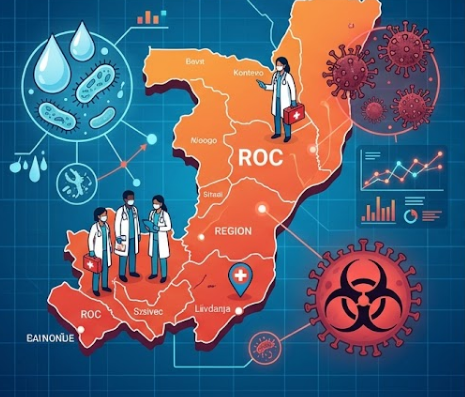
UNICEF delivers critical Ebola supplies to DRC's Ituri province
UNICEF has delivered its first international shipment of emergency Ebola response supplies to Ituri, a region in the Democratic Republic of the Congo severely affected by the 17th Ebola outbreak. This shipment aims to bolster the local response efforts against the deadly virus.
Key Highlights
- First international Ebola supplies reach Ituri, DRC.
- UNICEF shipment to aid 17th Ebola outbreak response.
- Ituri province is the hardest-hit area.
- WHO chief visits DRC amid escalating Ebola crisis.
- International aid crucial for containing the outbreak.
In a critical move to combat the escalating Ebola outbreak in the Democratic Republic of the Congo (DRC), UNICEF has successfully delivered its first international shipment of emergency response supplies to the Ituri province. This northeastern region has been identified as the most severely affected area in the 17th recorded outbreak of the deadly virus. The arrival of these vital supplies is a significant step in bolstering the capacity of local health workers and response teams to manage and contain the spread of Ebola.
The Democratic Republic of the Congo has a long and challenging history with Ebola, and this latest outbreak has again highlighted the persistent threat the virus poses to public health in the region. The 17th outbreak, centered in the eastern part of the country, has necessitated a swift and coordinated international response. UNICEF's proactive measure in dispatching essential medical equipment and protective gear underscores the severity of the situation and the urgent need for global solidarity.
The shipment's destination, Ituri province, has been particularly devastated by the outbreak. Reports from organizations like the World Health Organization (WHO) have consistently pointed to Ituri as the epicenter of the crisis, with a high number of cases and fatalities. The challenging geographical terrain and security concerns in some parts of eastern DRC can further complicate response efforts, making the timely delivery of international aid even more crucial. This aid is expected to include personal protective equipment (PPE) for healthcare workers, diagnostic test kits, disinfectants, and other essential supplies needed for effective case management and infection prevention and control (IPC).
The urgency of the situation was further emphasized by the WHO Director-General's decision to visit the Democratic Republic of the Congo, specifically heading to the 'hardest hit' areas. Such high-level visits serve not only to assess the situation on the ground but also to galvanize international support and ensure that response efforts are adequately resourced and coordinated. The WHO's role is pivotal in coordinating global health security, and its engagement in DRC reflects the significant public health threat posed by this outbreak.
The arrival of UNICEF's supplies is expected to directly support frontline health workers who are often at the highest risk of exposure. By providing them with adequate protective equipment, the risk of transmission within healthcare settings can be significantly reduced. Furthermore, the availability of diagnostic tools will enable faster and more accurate identification of cases, facilitating prompt isolation and treatment, which are cornerstones of effective Ebola outbreak response. Disinfectants and hygiene materials are also critical for preventing the spread of the virus in communities and healthcare facilities.
This international shipment represents a crucial element in the broader strategy to control the outbreak. It complements the efforts of the Congolese government, local health authorities, and other international partners, including the WHO, Doctors Without Borders (MSF), and various NGOs working tirelessly on the ground. The success of containment efforts hinges on a multi-faceted approach that includes robust surveillance, rapid case detection, effective contact tracing, safe and dignified burials, community engagement, and the provision of medical care and psychosocial support to affected individuals and families.
The news of UNICEF's shipment is particularly relevant to a global audience, reminding us of the ongoing threats posed by infectious diseases and the interconnectedness of global health security. For an audience in India, a country that has experienced its own public health challenges, understanding these international efforts is important. It highlights the importance of preparedness, international cooperation, and the role of organizations like UNICEF and WHO in managing global health crises. While this specific outbreak is contained within the DRC, lessons learned and the mechanisms for response have global implications, particularly for countries in close proximity or those with similar health infrastructure vulnerabilities.
Ensuring that the supplies reach the intended beneficiaries quickly and efficiently is paramount. Logistics in regions like Ituri can be complex due to infrastructure limitations and security challenges. Therefore, the successful delivery of this first shipment suggests a well-coordinated logistical effort, likely involving air transport and further ground distribution with the support of local partners. The long-term success of the response will depend on sustained international commitment, adequate funding, and the continued collaboration of all stakeholders.
The 17th Ebola outbreak in the DRC underscores the persistent vulnerability of certain regions to epidemic-prone diseases. Global health organizations continue to work towards strengthening national capacities for disease surveillance and response, aiming to prevent such outbreaks from escalating into major humanitarian crises. The timely delivery of essential supplies by UNICEF is a testament to these ongoing efforts and a beacon of hope for the affected populations in Ituri and beyond.
Frequently Asked Questions
What is the significance of UNICEF's first international shipment of Ebola supplies to the DRC?
This shipment is significant because it marks the first international delivery of emergency supplies specifically for the 17th Ebola outbreak in the Democratic Republic of the Congo, targeting the severely affected Ituri province. It aims to bolster the local response efforts with essential medical equipment and protective gear for healthcare workers.
Which region in the DRC is most affected by the current Ebola outbreak?
The Ituri province in the northeastern Democratic Republic of the Congo has been identified as the hardest-hit region in the current, 17th Ebola outbreak.
What role does the World Health Organization (WHO) play in this Ebola outbreak?
The WHO plays a crucial role in coordinating the global health response to the outbreak, providing technical guidance, and supporting national health authorities. The WHO Director-General's visit to the affected areas underscores the seriousness of the outbreak and the WHO's commitment to addressing it.
Why is international aid like UNICEF's crucial for combating Ebola outbreaks?
International aid provides essential resources such as personal protective equipment, diagnostic tools, and medical supplies that local health systems may lack, especially during a severe outbreak. It also helps in coordinating a global response, sharing expertise, and ensuring that frontline workers are equipped to manage the crisis effectively and safely.