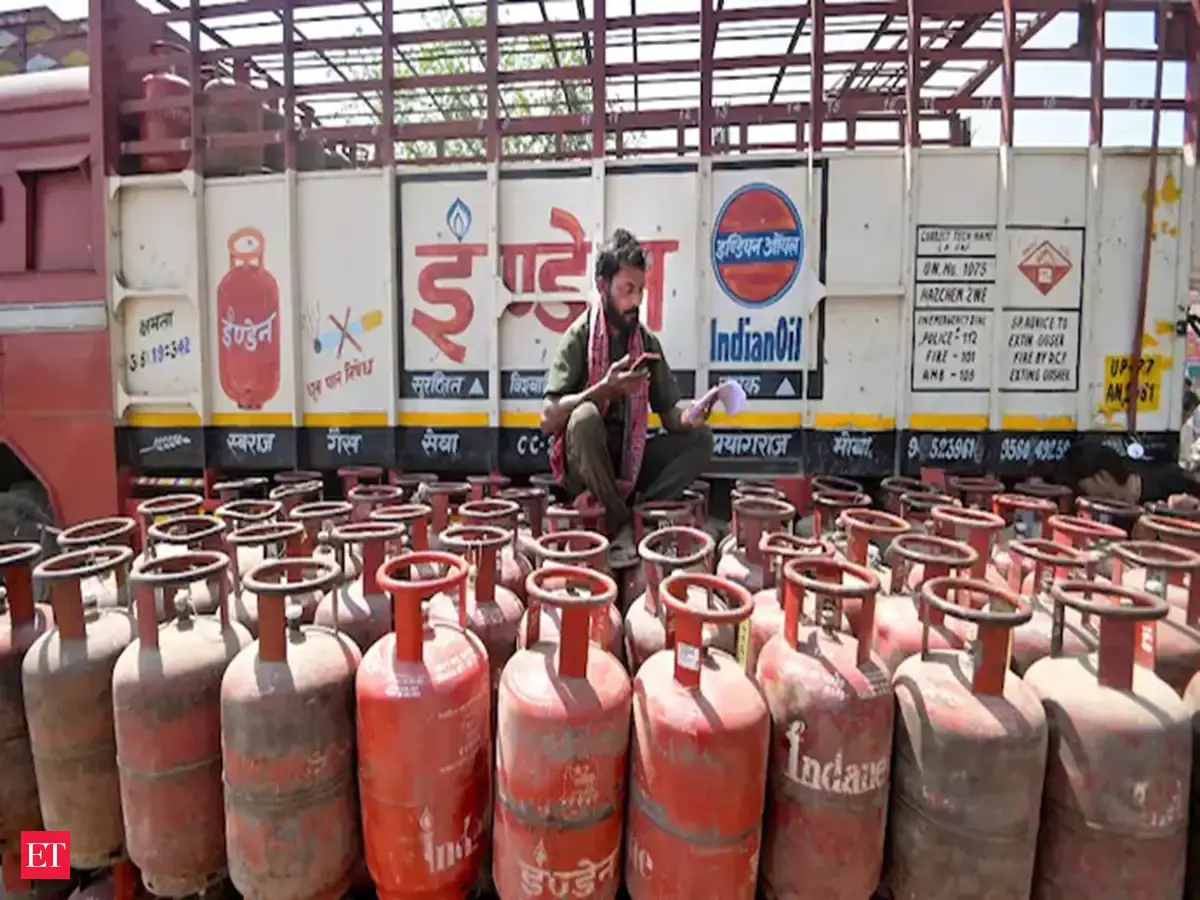
India's LPG Prices Hike Amid Global Surge, Government Cites Low Rates
India has seen a recent ₹29 hike in domestic LPG cylinder prices, bringing the cost in Delhi to ₹942. The government justifies this, stating Indian cooking gas rates remain among the world's lowest despite a 46% surge in global benchmarks due to the West Asia crisis. Subsidies continue for Ujjwala beneficiaries.
Key Highlights
- Domestic LPG cylinder prices increased by ₹29, reaching ₹942 in Delhi.
- Government asserts India's LPG rates are globally among the lowest.
- Global LPG benchmark (Saudi CP) surged 46% since February 2026.
- West Asia conflict and Strait of Hormuz disruptions cited for global price rise.
- Ujjwala beneficiaries pay ₹642 with an annual subsidy on refills.
- Oil marketing companies absorb significant under-recoveries on cylinders.
The Hindu reported on June 7, 2026, about a recent hike in domestic Liquefied Petroleum Gas (LPG) cylinder prices in India, a development confirmed by multiple credible news outlets. The price of a 14.2-kg domestic LPG cylinder in Delhi increased by ₹29, bringing its cost to ₹942 from the previous ₹913. This marks the second such increase in three months, following a ₹60 hike on March 7, 2026, culminating in a cumulative increase of ₹89 per cylinder.
The Union Government, through the Ministry of Petroleum and Natural Gas, defended the price adjustment, asserting that despite the increase, Indian households continue to pay among the lowest cooking gas prices globally. This claim is supported by comparisons provided by the ministry, which show significantly higher LPG prices in neighboring countries such as Pakistan (₹1,046), Nepal (₹1,207), Bangladesh (₹1,225), and Sri Lanka (₹1,241) for a comparable 14.2 kg cylinder. Even more advanced economies like the United States (₹1,755), Australia (₹1,765), and Canada (₹2,411) have substantially higher rates.
A major justification for the price hike, as stated by the government, is a substantial increase in international LPG benchmark prices. India's LPG import costs are primarily linked to the Saudi Contract Price (CP), which serves as the global benchmark for the fuel. According to official statements, this blended LPG benchmark has surged by approximately 46% since February 2026, prior to the escalation of conflict in West Asia. This dramatic rise in global prices, specifically from around USD 543 per tonne in February to about USD 790 per tonne in June 2026, is largely attributed to disruptions in the Strait of Hormuz, a critical shipping route for Gulf energy supplies, stemming from geopolitical tensions including the US-Iran war.
The government highlighted that the actual cost of supplying a domestic LPG cylinder has escalated to over ₹1,600 due to these soaring international prices. However, consumers are shielded from bearing the full brunt of this cost. State-run oil marketing companies (OMCs) are estimated to be incurring under-recoveries of approximately ₹700 on every domestic LPG cylinder sold, a burden largely absorbed upstream by the government and OMCs. To further mitigate the impact on vulnerable sections, beneficiaries of the Pradhan Mantri Ujjwala Yojana (PMUY) continue to receive a direct benefit transfer (DBT) of ₹300 per cylinder on their first four refills annually, reducing their effective price to ₹642 per cylinder.
While the government's direct price comparisons suggest India offers cheaper LPG, it's important to note the nuance identified by some reports, such as The Times of India. These reports point out that the ministry's comparisons do not account for purchasing power parity or average household incomes. Consequently, despite lower absolute prices, LPG may still represent a significant financial burden for many Indian households in terms of their disposable income. However, the article in question accurately reports the government's claims and data.
This news story is primarily relevant to India, focusing on domestic energy prices and government policy, which directly impacts a vast number of Indian citizens. However, its context is undeniably global, as the reasons for the price hike are rooted in international crude oil and LPG benchmarks, geopolitical events in West Asia, and disruptions in global supply chains.
The news was published by The Hindu on June 7, 2026, at 11:08 am IST. Multiple other reputable Indian news sources, including The Times of India, Mint, The Tribune, and The Quint, have corroborated these reports, affirming the credibility and factual accuracy of the core claims made in the original article.
This ongoing situation reflects the challenges faced by the Indian government in balancing consumer affordability with the realities of volatile international energy markets, particularly given India's significant reliance on LPG imports (around 60% of its requirements, with 90% sourced from the Middle East). The government's strategy involves increasing domestic production, diversifying import sources, and providing subsidies to cushion consumers from the full impact of global price fluctuations.
Frequently Asked Questions
What is the new price of a domestic LPG cylinder in Delhi after the recent hike?
After the recent ₹29 hike, the price of a 14.2-kg domestic LPG cylinder in Delhi stands at ₹942.
Why has the government increased LPG prices?
The government attributes the price hike to a 46% surge in the global LPG benchmark (Saudi Contract Price) since February 2026, primarily due to disruptions in West Asia and the Strait of Hormuz caused by geopolitical tensions.
Does India have the lowest LPG prices globally, as claimed by the government?
The government claims India's LPG prices are among the lowest globally, citing comparisons with neighboring countries and developed economies where prices for a similar cylinder are significantly higher. However, this comparison typically does not account for purchasing power parity or household incomes.
What subsidy do Pradhan Mantri Ujjwala Yojana (PMUY) beneficiaries receive?
PMUY beneficiaries continue to receive a direct benefit transfer (DBT) of ₹300 per cylinder on their first four refills annually, making their effective price ₹642 per cylinder.
How much has the LPG price increased cumulatively in the last three months?
Including the recent ₹29 hike, domestic LPG prices have cumulatively increased by ₹89 per 14.2 kg cylinder in the last three months, following a ₹60 increase in March 2026.