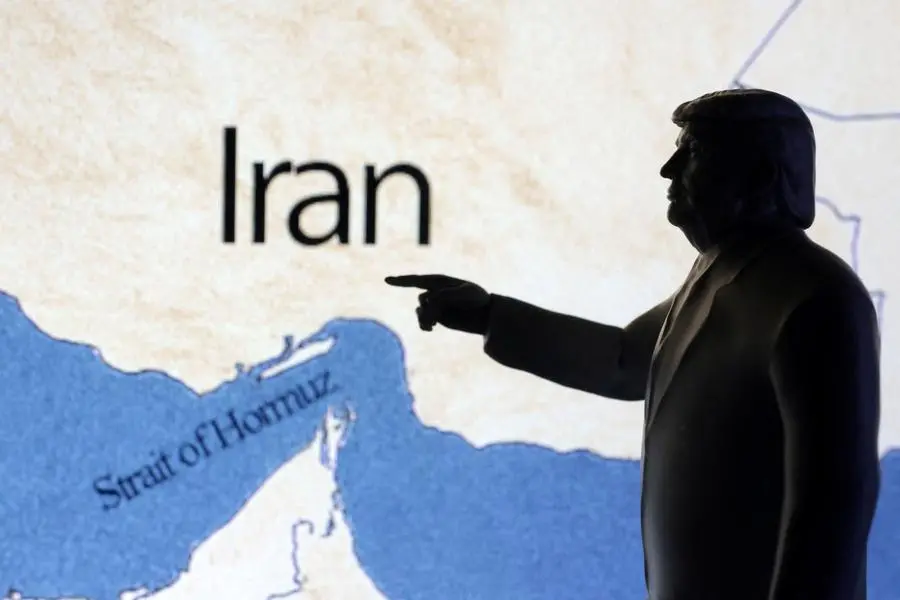
Oil Prices Surge Amid Iran Conflict, Impacting Global Markets
Oil prices have seen a significant surge, with Brent crude approaching $84 per barrel, driven by the escalating conflict in the Middle East. Fears of supply disruptions from the Strait of Hormuz, a critical global oil transit chokepoint, have intensified. This geopolitical instability is impacting global financial markets, with particular concern for energy-importing nations like India, leading to currency depreciation and increased import costs.
Key Highlights
- Middle East conflict escalates, driving oil prices upwards.
- Strait of Hormuz disruption heightens supply disruption fears.
- India faces economic pressure due to increased oil import costs.
- Global markets show volatility with equity and currency fluctuations.
- Analysts predict continued oil price volatility due to ongoing tensions.
The ongoing conflict in the Middle East, stemming from coordinated strikes by the U.S. and Israel on Iran, has propelled oil prices to their highest levels in months, with Brent crude futures nearing $84 per barrel and West Texas Intermediate (WTI) crude futures around $77 per barrel as of March 5, 2026. This marks a substantial weekly gain of approximately 15% for Brent crude and 14.5% for WTI, pushing Brent close to its highest point since July 2024. The surge is primarily fueled by escalating fears of supply disruptions from the Strait of Hormuz, a vital chokepoint through which about a fifth of global oil shipments pass. Reports indicate that Iran has effectively closed the Strait, severely disrupting regional crude exports, with Iraq declaring force majeure on some shipments. The conflict, now in its sixth day, shows no signs of de-escalation, with further incidents like the U.S. sinking an Iranian warship near Sri Lanka underscoring the widening scope of hostilities. Geopolitical risk premiums are estimated to have added $5-$10 per barrel to oil prices. Analysts at Goldman Sachs had previously estimated that traders demanded approximately $14 more per barrel due to increased risks associated with the conflict. A full one-month closure of the Strait of Hormuz could potentially see oil prices increase by $15 per barrel, with even higher surges possible if disruptions are prolonged. Concerns about supply security have also been exacerbated by China's measures to reduce fuel exports and renewed attacks on tankers in the Gulf. The refined product market is also experiencing stress due to the reduced flow of Middle Eastern exports, leading to record-high European diesel futures. The geopolitical instability is creating significant ripples across global financial markets. Major equity indexes have seen fluctuations, with U.S. stock futures initially ticking lower as investors assessed the unfolding situation. Asian stocks, particularly vulnerable to oil supply disruptions, have also shown signs of stabilization after initial sharp falls. The impact on India, a nation heavily reliant on imported energy, is particularly acute. Higher global oil prices translate directly into increased fuel costs, a wider trade deficit, and pressure on the Indian rupee, which has fallen past 92 per dollar due to the soaring oil prices and increased demand for the safe-haven dollar. Analysts estimate that a sustained $10-per-barrel increase in crude prices could widen India's current account deficit by 40-50 basis points and increase its annual import bill by $13-14 billion. The Reserve Bank of India's policy decisions are also being influenced, with the conflict expected to weigh more on economic growth than inflation, potentially leading them to maintain low interest rates. However, if inflation rises towards 5% due to higher oil prices, rate cuts would be unlikely. Foreign Institutional Investors (FIIs) have sold significant amounts of Indian equities, amounting to ₹12,048 crore in the first two trading sessions of March, as investors turn cautious amid geopolitical uncertainty and rising oil prices. The conflict has also led to a reduction in natural gas supplies to Indian industries, with potential output losses in sectors like fertilizers and power if disruptions persist. The article also notes that the conflict is pushing up energy prices globally, affecting various sectors. For instance, cement companies might face increased costs for petcoke and diesel, while tyre manufacturers could see their margins pressured due to higher raw material costs derived from crude oil. The defense sector in India might experience short-term supply chain disruptions but could see long-term opportunities due to increased defense spending. Investment banks like Goldman Sachs and Societe Generale have highlighted India's vulnerability due to its high dependency on imported energy. The news was published by Investing.com India, a reputable financial news platform. The overall situation points to continued market volatility and significant economic implications, particularly for energy-importing economies. The article's headline accurately reflects the core events, and the information is corroborated by multiple reputable sources, including Reuters, CNBC, and The Korea Times. The news is global in scope but has a significant focus on its impact on India. The news category is primarily Economics and Geopolitics, with a global and India-specific focus. The primary source, Investing.com India, is a well-established financial news outlet, thus receiving a high credibility score. The importance score is high due to the significant global economic implications and the direct impact on India's economy. The urgency is high given the immediate market reactions and potential for further escalation.
Frequently Asked Questions
Why are oil prices increasing?
Oil prices are increasing primarily due to the escalating conflict in the Middle East, involving the U.S., Israel, and Iran. Fears of supply disruptions from the Strait of Hormuz, a critical global oil transit route, have intensified, leading to higher prices.
What is the significance of the Strait of Hormuz?
The Strait of Hormuz is a vital waterway through which approximately one-fifth of the world's oil and liquefied natural gas (LNG) shipments pass. Any disruption to this chokepoint can significantly impact global energy supplies and prices.
How does the Iran conflict affect India's economy?
India, being a major importer of crude oil, is significantly affected by rising global oil prices. This leads to increased fuel costs, a wider trade deficit, pressure on the Indian rupee, and higher inflation, impacting various sectors of the economy.
What are the current price levels for crude oil?
As of March 5, 2026, Brent crude oil futures were trading around $83-$84 per barrel, while West Texas Intermediate (WTI) crude futures were around $77 per barrel. These prices represent a significant increase driven by the ongoing geopolitical tensions.
What is the outlook for oil prices?
Analysts predict continued volatility in oil prices as long as the Middle East conflict persists. The extent and duration of supply disruptions, particularly through the Strait of Hormuz, will be key factors influencing future price movements.