US Forces Clash with Iran in Hormuz, Reopening Critical Shipping Lane
The US military engaged Iranian forces on May 4, 2026, sinking small boats and downing missiles and drones in the Strait of Hormuz. This occurred as the US launched "Project Freedom" to reopen the vital waterway, leading to renewed regional tensions and a missile alert in the UAE.
Key Highlights
- US military destroyed six Iranian small boats and intercepted missiles/drones.
- Operation 'Project Freedom' launched to reopen the Strait of Hormuz to shipping.
- Iran denies US claims, maintains control over the Strait and threatens interference.
- UAE issued missile warning following Iranian drone and missile attacks.
- Escalating tensions risk ongoing ceasefire between US and Iran.
- Strait of Hormuz remains critical for global energy and trade, affecting India.
On May 4, 2026, the United States military engaged Iranian forces in the strategically vital Strait of Hormuz, destroying several Iranian small boats and intercepting missiles and drones. This significant escalation unfolded as the US launched 'Project Freedom,' an operation designed to re-establish safe passage for commercial shipping through the strait, which Iran had effectively closed following a conflict that began on February 28, 2026, between the US and Israel against Iran.
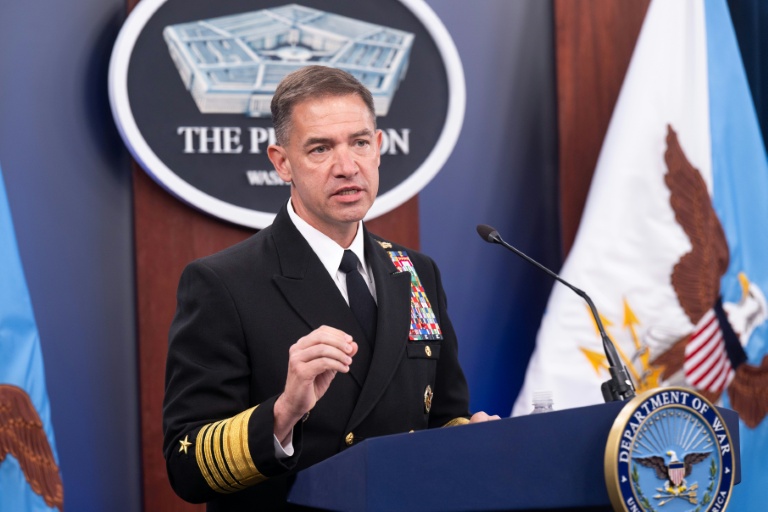
US Admiral Brad Cooper, head of Central Command (CENTCOM), confirmed the military actions, stating that US Apache and Seahawk helicopters were responsible for sinking six Iranian small boats that were threatening commercial shipping. Admiral Cooper also reported that US forces successfully defeated multiple Iranian cruise missiles and drones launched by Tehran, which targeted both US Navy ships and commercial vessels in the area. President Donald Trump, in a social media post, initially estimated seven Iranian fast boats were shot down.
'Project Freedom' was announced by President Trump as a humanitarian gesture, aiming to guide neutral ships, many carrying crews from countries like India and other parts of South and Southeast Asia, that had been stranded in the Persian Gulf for months due to the conflict. The US military claimed that two American-flagged commercial vessels successfully transited the strait on the day the operation commenced, proving the safety of the newly cleared route. However, Iran's Revolutionary Guards and state media promptly denied these claims, asserting that no commercial vessels had passed through the strait in recent hours and also denying that any Iranian vessels had been sunk by US forces.
The broader context of these events is a highly volatile period in the Middle East. A ceasefire between the US and Iran, brokered by Pakistan and initially established on April 8, 2026, had been in effect, although tensions remained exceptionally high. The launch of 'Project Freedom' and the subsequent clashes directly challenged this fragile truce. Iran's military command had previously warned that any foreign armed force attempting to approach or enter the Strait of Hormuz without coordination would be targeted, particularly the US military. They maintain that the Strait of Hormuz is under their control and vessels must coordinate with Tehran for safe passage.
The rising tensions had immediate regional impacts. The United Arab Emirates (UAE), a key American ally, issued missile threat alerts to its residents on May 4, 2026 – the first such warnings since the ceasefire began. This came after Iranian drone and missile attacks targeted the UAE, including the Fujairah oil exporting zone, resulting in at least one drone sparking a fire at an oil facility and wounding three Indian nationals. The British military also reported two cargo vessels ablaze off the UAE.
The Strait of Hormuz is a global chokepoint through which approximately one-fifth of the world's seaborne oil shipments pass. Its closure by Iran, in retaliation for earlier US and Israeli strikes, had already caused a spike in worldwide fuel prices and rattled the global economy. The US and Gulf Arab nations are reportedly drafting a UN Security Council resolution to condemn Iran for blocking the strait.
The situation underscores the precarious balance in the region. While 'Project Freedom' is framed as a humanitarian effort to ensure freedom of navigation, it has undoubtedly heightened the risk of a full-scale resumption of hostilities. The incident highlights the complex geopolitical dynamics, the critical importance of the Strait of Hormuz for global energy security and trade, and the direct impact on international shipping and the lives of seafarers, many of whom are Indian nationals. The involvement of US forces in direct combat with Iran to ensure the flow of oil and goods through this vital waterway signifies a critical juncture in the ongoing Middle East conflict.
Frequently Asked Questions
What is 'Project Freedom' and why was it launched?
'Project Freedom' is a US military operation launched by President Donald Trump on May 4, 2026, to ensure freedom of navigation for commercial vessels through the Strait of Hormuz. It was initiated as a humanitarian gesture to guide neutral ships and their crews, many of whom were stranded after Iran effectively closed the strait following a conflict that began on February 28, 2026, between the US and Israel against Iran.
What military actions did the US take in the Strait of Hormuz?
On May 4, 2026, the US military destroyed six Iranian small boats using Apache and Seahawk helicopters. Additionally, US forces intercepted multiple Iranian cruise missiles and drones that were fired at both US Navy ships and commercial vessels attempting to transit the Strait of Hormuz.
How has Iran responded to the US actions and 'Project Freedom'?
Iran has denied US claims of sinking its vessels and the successful transit of commercial ships through the Strait of Hormuz. Iran's military command maintains control over the strait and has warned that any foreign military force interfering with its control would be targeted, considering the US operation a violation of the existing ceasefire.
What are the wider regional impacts of this escalation?
The escalation led to the United Arab Emirates (UAE) issuing missile threat alerts after Iranian drone and missile attacks targeted the UAE's Fujairah oil exporting zone. These attacks wounded three Indian nationals and risked undermining a fragile ceasefire between the US and Iran that had been in place since April 8, 2026.
Why is this news particularly relevant to an Indian audience?
This news is highly relevant to India due to its critical dependence on oil and gas imports that traverse the Strait of Hormuz, directly impacting energy security and prices. Furthermore, many of the seafarers stranded in the region are Indian nationals, making the humanitarian aspect of 'Project Freedom' and the safety of the strait a significant concern for India.