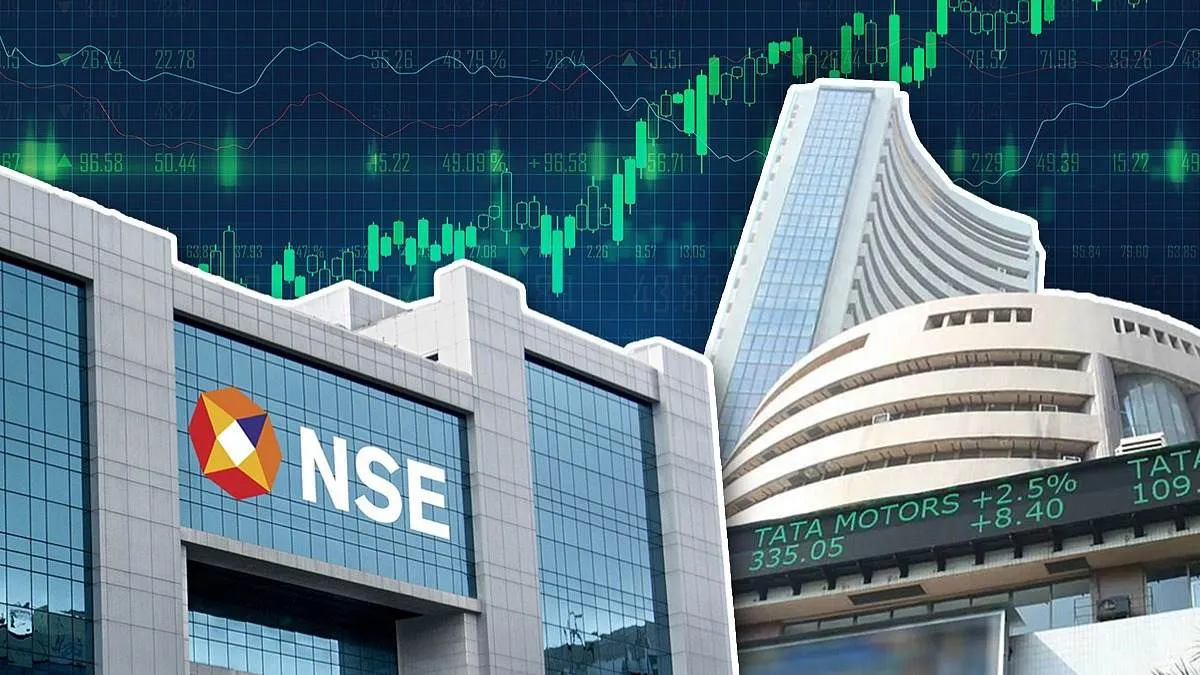
Indian Stocks Surge: Sensex Jumps ~1,700, Nifty Reclaims 23,400 as Oil Prices Drop
Indian benchmark indices experienced a significant rally on March 25, 2026, with Sensex surging nearly 1,700 points and Nifty reclaiming 23,400. This robust upswing was primarily driven by a sharp decline in global crude oil prices, fueled by hopes of de-escalation in the US-Iran conflict.
Key Highlights
- Sensex soared by nearly 1,700 points, Nifty gained over 400 points.
- Global crude oil prices tumbled below $100 per barrel.
- Hopes of US-Iran ceasefire talks drove investor optimism.
- Broad-based buying across sectors, led by financials and auto.
- Domestic investors supported market amid foreign fund outflows.
- Market rebound signals investor confidence returning.
The Indian stock market witnessed a powerful resurgence on Wednesday, March 25, 2026, as both the BSE Sensex and NSE Nifty 50 recorded substantial gains, significantly exceeding the figures initially reported in the NDTV headline. The Sensex, the benchmark index of the Bombay Stock Exchange, soared by as much as 2.2% or nearly 1,700 points to hit 75,735.59, while the Nifty 50 advanced by approximately 2.3% to reclaim the 23,400 level, reaching 23,424.75. These movements indicate a much stronger rally than the 1,000 points for Sensex and 300 points for Nifty mentioned in the original NDTV article's headline, making the headline accurate but somewhat understated.
The primary catalyst behind this robust market performance was a significant drop in global crude oil prices. Brent crude, the international benchmark, tumbled by over 4% to 6%, trading below $100 a barrel, settling around $98.31. West Texas Intermediate (WTI) crude oil also saw a notable decline, dropping over 5% to $87.65 a barrel. This sharp fall in oil prices was a major positive for India, a net oil importer, as it alleviates inflationary pressures and reduces concerns about the nation's energy costs.
Investor sentiment was further buoyed by growing hopes of a de-escalation in the ongoing US-Iran conflict in West Asia. Reports suggested that the United States was pursuing diplomatic efforts towards a potential one-month ceasefire and had even shared a 15-point plan with Iran. Although Iran reportedly denied direct talks, statements from US President Donald Trump about "productive talks" and a temporary five-day pause in planned strikes on Iranian energy sites significantly fueled optimism across global markets. This prospect of reduced geopolitical tensions led to a broad-based buying spree, particularly in Asian markets, which generally traded higher.
The market rally in India was comprehensive, with almost all 15 sectoral gauges compiled by the NSE trading in positive territory. Sectors such as PSU Bank, Financial Services, Banking, Auto, and Realty were among the top performers, signaling strong risk appetite among investors. Leading the gains among Sensex constituents were heavyweights like HDFC Bank, ICICI Bank, and Larsen & Toubro (L&T), alongside others such as Mahindra & Mahindra, UltraTech Cement, and Adani Ports. The positive momentum translated into a significant increase in investors' wealth, with the market capitalization of all BSE-listed companies rising by approximately ₹7.25 trillion to ₹429.49 trillion from the previous session's close. Another report indicated an even higher increase of ₹9 lakh crore within minutes, pushing the market capitalization to ₹432 lakh crore.
Despite the prevailing optimism, some experts advised caution due to lingering geopolitical uncertainties and the continued selling pressure from Foreign Institutional Investors (FIIs). FIIs had been net sellers in the preceding sessions, offloading equities worth significant amounts, which had been a major drag on the market. However, the consistent buying support from Domestic Institutional Investors (DIIs) helped cushion the downside and provided stability to the domestic market. While the stock markets surged, the Indian rupee opened slightly weaker against the US dollar, trading around 93.94, compared to its previous close of 93.87. This indicates that currency fluctuations remain a factor for investors to monitor. Gold and silver exchange-traded funds (ETFs) also saw gains, rising up to 6%, as indications of de-escalation improved investor sentiment, shifting focus from traditional safe-haven assets.
Overall, the market's performance on March 25, 2026, marked a strong recovery and a return of investor confidence, primarily driven by the positive global cues surrounding the potential easing of West Asian tensions and the subsequent significant drop in crude oil prices, both of which are highly beneficial for the Indian economy. The rally extended gains for a second consecutive session, following a strong surge on Tuesday.
Frequently Asked Questions
What caused the significant rally in the Indian stock market on March 25, 2026?
The Indian stock market rally was primarily driven by a sharp decline in global crude oil prices, coupled with renewed investor optimism stemming from hopes of de-escalation in the US-Iran conflict. Reports of potential peace talks and a temporary pause in US strikes on Iranian energy sites boosted sentiment.
How much did Sensex and Nifty gain on March 25, 2026?
The BSE Sensex surged by nearly 1,700 points, while the NSE Nifty 50 advanced by over 400 points, reclaiming the 23,400 level. These gains were higher than the 1,000 and 300 points initially reported in some headlines.
Why did crude oil prices drop, and what is its impact on India?
Crude oil prices, including Brent crude, fell significantly (over 4-6%) to below $100 per barrel due to expectations of de-escalation in the US-Iran conflict. For India, a major oil importer, this drop is highly beneficial as it helps alleviate inflationary pressures and reduces energy costs.
Which sectors performed well during this market rally?
The rally was broad-based, with almost all sectors showing gains. Key performing sectors included PSU Bank, Financial Services, Banking, Auto, and Realty. Major contributors to the Sensex rally included HDFC Bank, ICICI Bank, and L&T.
What was the role of institutional investors in this market movement?
While Foreign Institutional Investors (FIIs) continued to be net sellers, Domestic Institutional Investors (DIIs) provided strong buying support, which was crucial in stabilizing and cushioning the market against further downside during a period of global uncertainty.