Lok Sabha seats to rise by 50%, 272 seats reserved for women
India's Parliament is set to witness a significant increase in Lok Sabha seats, with a proposed 50% hike leading to approximately 815-850 seats. A substantial portion, 272 seats, will be reserved for women as part of the new legislation. This delimitation exercise, based on the 2011 census, aims to implement the women's reservation bill passed in 2023 and is expected to be effective by the 2029 general elections. While this move aims for greater representation, it has sparked debate regarding the potential impact on the political balance between northern and southern states.
Key Highlights
- Lok Sabha seats to increase by 50%
- 272 seats to be reserved for women
- Delimitation based on 2011 census
- Implementation expected by 2029 elections
- Debate over North-South political balance
The Indian Parliament is on the verge of a significant transformation with the tabling of the Constitution (One Hundred and Thirty-First Amendment) Bill, 2026, and the Delimitation Bill, 2026. These bills propose a substantial increase in the strength of the Lok Sabha, aiming for a total of approximately 815 to 850 seats, a hike of roughly 50% from the current 543. A key and landmark provision within this legislative push is the reservation of 272 seats specifically for women, which constitutes one-third of the projected total. This move is intrinsically linked to the operationalization of the Women's Reservation Act, 2023 (Nari Shakti Vandan Adhiniyam), passed earlier.
The delimitation exercise, which involves redrawing the boundaries of parliamentary constituencies, will be based on the 2011 Census data. This approach has been adopted to expedite the implementation of the women's reservation, moving it forward from the initially envisioned post-2027 census timeline. The expected timeline for these changes to come into effect is the 2029 general elections.
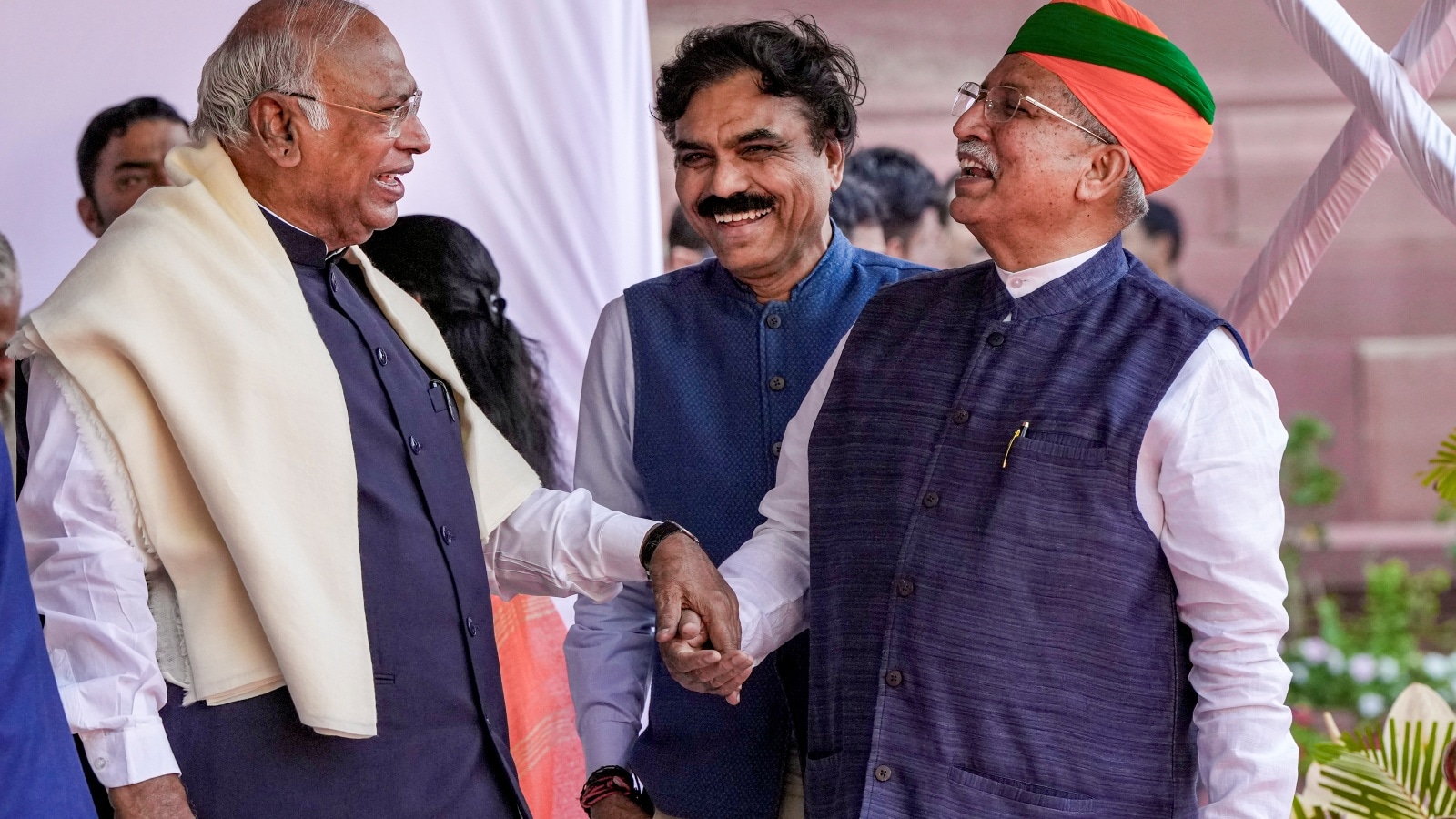
The Union Law Minister, Arjun Ram Meghwal, has stated that this increase will translate to roughly 815 seats, with 272 reserved for women, assuring that no state will lose its existing strength and that the expansion will be proportionate. The government emphasizes that this is a move towards greater representation and empowerment for women.
However, the proposed delimitation exercise, particularly its basis on the 2011 census and the potential shift in the distribution of seats, has ignited a significant debate, especially among southern states. Concerns have been raised by several state leaders, including the Chief Ministers of Tamil Nadu and Telangana, that a population-based redistribution might disproportionately benefit northern states with higher population growth, thereby diminishing the political representation and influence of southern states which have historically had lower population growth rates due to effective family planning measures.
Political parties in Andhra Pradesh, including the ruling TDP and its allies Jana Sena and the opposition YSRCP, have largely expressed support for the delimitation bill and the women's reservation aspect, seeing it as a move that could potentially increase the state's Lok Sabha seats from 25 to around 37-38. However, even within Andhra Pradesh, some voices, like that of YS Sharmila, have cautioned against potential risks to the state's political representation and financial interests due to population-based delimitation.
The opposition INDIA bloc has declared its support for women's reservation but has stated its intention to oppose the delimitation bill, viewing it as a potential tool for the BJP to gain political advantage and to weaken the representation of southern and northeastern states. They argue that the delimitation process, if not handled carefully, could upset the federal balance.
Despite the controversies, the government appears confident in passing the bills, highlighting the historical significance of empowering women and ensuring equitable representation. The extended Parliament session is scheduled to witness detailed discussions and voting on these crucial legislative proposals. The Delimitation Commission, once constituted, will have the final say in redrawing constituency boundaries and allocating seats, a process that is being closely watched by political stakeholders across the nation.
Frequently Asked Questions
What is the proposed increase in Lok Sabha seats?
The Indian Parliament is proposing to increase the Lok Sabha seats from the current 543 to approximately 815-850, representing an increase of about 50%.
How many Lok Sabha seats will be reserved for women?
A significant portion of the increased seats, specifically 272, will be reserved for women, fulfilling the one-third reservation mandate.
What is the basis for the delimitation exercise?
The delimitation exercise, which redraws constituency boundaries, will be based on the population data from the 2011 Census.
When is this change expected to be implemented?
The proposed increase in seats and the implementation of women's reservation are expected to be effective from the 2029 general elections.
What are the main concerns raised about the delimitation proposal?
Concerns have been raised, particularly by southern states, that a population-based delimitation might disproportionately benefit northern states, potentially affecting the political balance and representation of southern states.