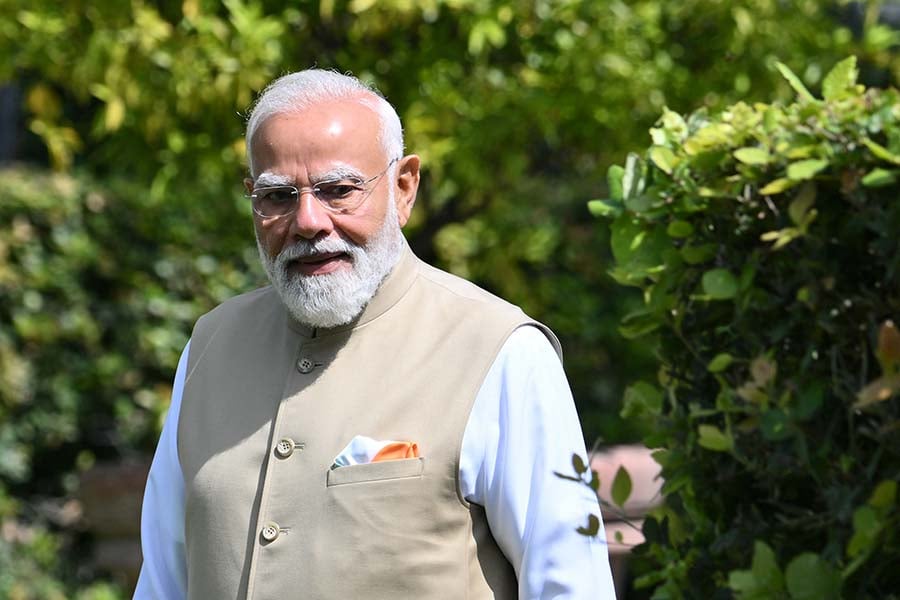
Amit Shah: No legal action for infiltrators who leave voluntarily
Union Home Minister Amit Shah stated that infiltrators choosing to leave India voluntarily will not face legal action. He also highlighted the transfer of land to the BSF for border fencing and the formation of a committee to study demographic changes. This statement was made during an event in Gujarat and reinforces the government's commitment to border security and the expulsion of illegal immigrants.
Key Highlights
- Infiltrators leaving voluntarily won't face legal action.
- Significant land transfer to BSF for border fencing completed.
- Committee formed to study demographic changes due to illegal immigration.
- West Bengal's new government praised for expedited land handover to BSF.
- Government reiterates commitment to identifying and expelling infiltrators.
Union Home Minister Amit Shah announced that individuals identified as infiltrators in India will face no legal repercussions if they choose to return to their home countries voluntarily. This statement was made during an event in Gujarat where he was inaugurating and laying the foundation stone for development projects worth ₹340 crore. Shah reiterated the government's firm stance on identifying and deporting every illegal immigrant from the country, emphasizing that the current administration's resolve is clear on this matter. He further highlighted the progress in border security, specifically mentioning the swift handover of 600 hectares of land to the Border Security Force (BSF) by the new West Bengal government, led by Chief Minister Suvendu Adhikari. This land transfer, accomplished within seven days of the government assuming office, is crucial for accelerating border fencing work along the India-Bangladesh border. Additionally, 121 hectares of land in the strategically important 'Chicken Neck' corridor have also been transferred to the Indian government. Shah also revealed the formation of a high-level committee tasked with studying 'artificial demographic changes' caused by factors including illegal immigration. This committee will examine the causes of demographic imbalance, explore possible solutions, and recommend whether new laws are required, with a report expected within one year. He noted that the West Bengal BJP government has established detention centers, but the preference remains for infiltrators to leave voluntarily before any formal identification drive commences. Shah contrasted the current situation with the previous government's tenure in West Bengal, alleging that daily infiltration occurred during Mamata Banerjee's rule, whereas now, infiltrators have started returning on their own accord. He expressed hope that this voluntary departure trend would continue. The Union Home Minister's remarks underscore the government's multi-pronged approach to border management, encompassing enhanced physical infrastructure like fencing, technological surveillance, and a clear policy on dealing with illegal immigration. The formation of the Demographic Change Commission signifies a deeper dive into the long-term implications of demographic shifts on national security and societal fabric. The emphasis on voluntary return aims to streamline the process of repatriation while sending a strong message about the government's commitment to national security. The swift land transfer by the West Bengal government has been lauded as a significant step towards bolstering border defenses, fulfilling a key election promise and demonstrating effective governance in a sensitive area. The overall narrative presented by Amit Shah emphasizes a proactive and determined approach to addressing illegal immigration and safeguarding national borders, aligning with the BJP's long-standing political agenda on this issue. The statements also reflect a broader strategy to integrate border security with national development and demographic stability. This consistent focus on border security and immigration control has been a prominent theme in the BJP's governance. The coordinated efforts between the central government and state administrations, particularly in border states, are highlighted as crucial for effective implementation of these policies. The government's commitment to a 'zero infiltration' border, leveraging technology and robust infrastructure, appears to be a central pillar of its national security strategy. The statements made by Amit Shah are consistent with previous remarks and policy initiatives related to border management and illegal immigration, indicating a sustained focus on these issues by the current administration. The proactive steps taken in West Bengal, such as the rapid land transfer for border fencing, are presented as tangible results of the new governance in the state. The formation of the demographic change committee indicates a forward-looking approach to address complex societal and security challenges stemming from demographic shifts and migration patterns. The overall message is one of firm resolve and decisive action in managing the nation's borders and ensuring national security. The government's emphasis on voluntary return aims to facilitate a smoother repatriation process while simultaneously asserting its authority on border control. The swift action on land transfer for border fencing by the West Bengal government demonstrates a collaborative effort towards enhancing national security infrastructure. The government's commitment to identifying and expelling all infiltrators remains a key priority, supported by technological advancements and policy initiatives. The establishment of detention centers, while mentioned, is secondary to the preferred outcome of voluntary repatriation. The narrative is clearly aligned with the BJP's electoral promises and its broader national security agenda. The statements reflect a consistent policy stance on illegal immigration, aiming to create secure borders and maintain demographic integrity.
Frequently Asked Questions
What did Amit Shah state regarding infiltrators leaving voluntarily?
Union Home Minister Amit Shah stated that infiltrators who choose to leave India voluntarily will not face any legal action. The government, however, remains committed to identifying and deporting all illegal immigrants.
What is the significance of the land transfer to the BSF in West Bengal?
The West Bengal government has handed over 600 hectares of land to the Border Security Force (BSF) for accelerating border fencing work along the India-Bangladesh border. This move is seen as a crucial step in strengthening border security.
What is the purpose of the High-Level Committee on Demographic Changes?
The committee has been formed to study 'artificial demographic changes' in the country, examine their causes, and recommend potential solutions, including the need for new laws. It aims to ensure no unnatural demographic shifts occur.
Has infiltration from Bangladesh declined according to Amit Shah?
Amit Shah claimed that infiltration from Bangladesh has declined, especially after the political change in West Bengal, and that infiltrators have started returning to their home countries on their own.