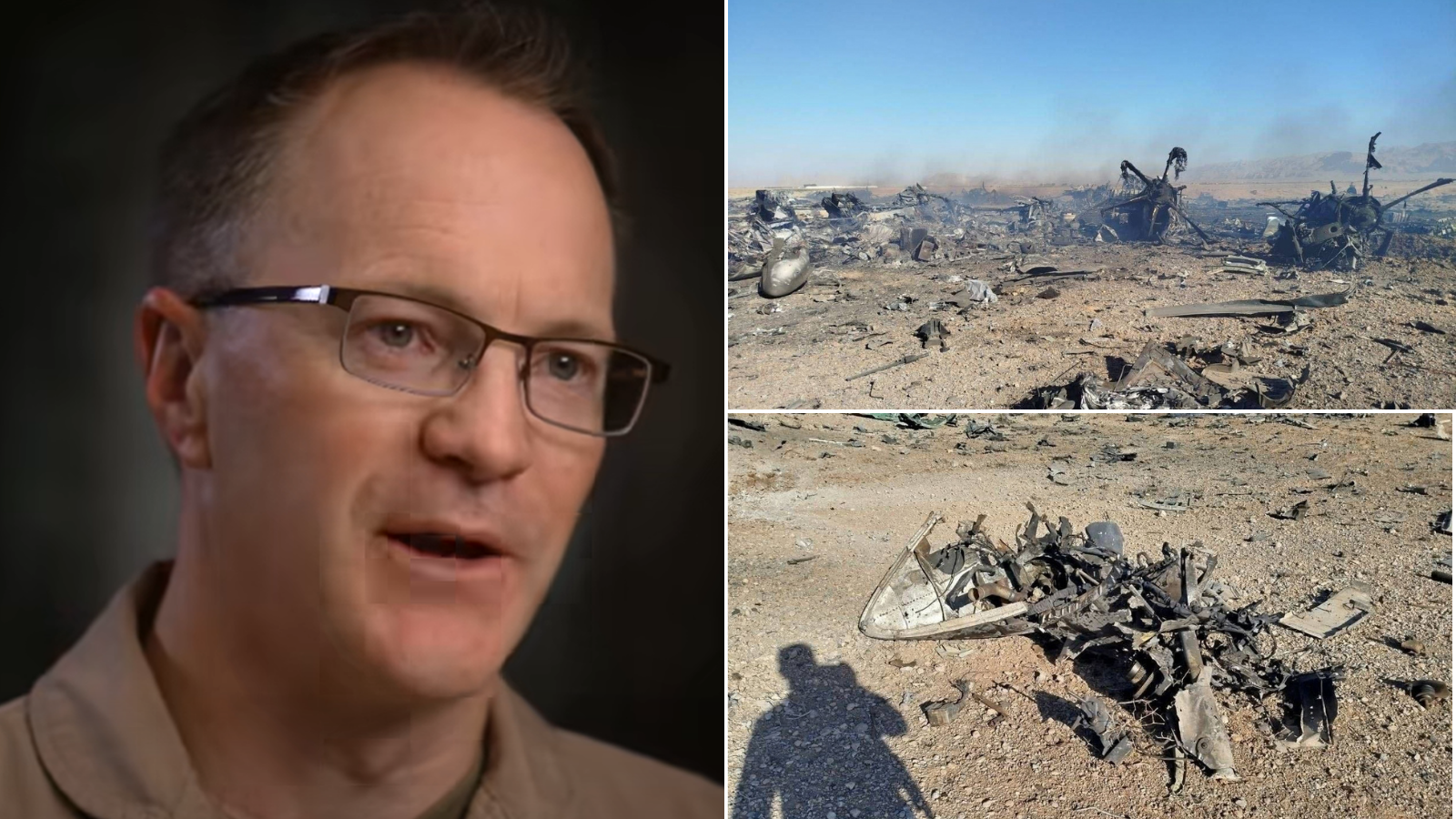
US conducts self-defense strikes on Iranian missile sites amid ongoing conflict
The U.S. military confirmed conducting "self-defense" strikes targeting Iranian missile launch sites and other military infrastructure. These actions are in response to perceived threats from Iranian forces and occur amidst ongoing tensions and a fragile ceasefire in the region. The strikes aim to diminish threats to U.S. forces and international shipping.
Key Highlights
- US military conducted 'self-defense' strikes in Iran.
- Targets included missile launch sites and boats placing mines.
- Strikes aim to protect troops from Iranian threats.
- Ongoing conflict and fragile ceasefire in the region.
- Tensions remain high with potential for wider regional war.
The United States military has carried out "self-defense" strikes in southern Iran, targeting missile launch sites and boats involved in mine-laying operations. This action was taken to protect U.S. troops from perceived threats posed by Iranian forces, according to a statement from U.S. Central Command (CENTCOM). The strikes occurred amidst an ongoing conflict and a fragile ceasefire between the two nations, highlighting the persistent tensions in the region.
These strikes are part of a broader pattern of military engagement between the U.S. and Iran. Previous incidents cited by CENTCOM include intercepting Iranian drone and missile attacks, as well as targeting military command centers, missile and drone facilities, and coastal surveillance sites. The U.S. maintains that these actions are necessary for self-defense and to deter further aggression from Iran, which it accuses of threatening American forces, commercial shipping, and neighboring Gulf countries.
The conflict has seen multiple escalations, including U.S. strikes on Iranian oil tankers and Iran's retaliatory missile strikes on U.S. bases in Jordan. These exchanges have raised fears of a wider regional war and renewed threats to shipping through the crucial Strait of Hormuz. The heightened tensions have also impacted global oil prices, with Brent crude futures breaching $100 a barrel at one point.
Despite the ongoing military actions, there have also been indications of diplomatic efforts, with reports of negotiations and a potential phased agreement to end the conflict. However, the U.S. has emphasized that a comprehensive deal is not imminent, and President Trump's remarks may reflect political and military calculations rather than significant progress in peace talks.
The news reports indicate a complex and volatile situation, with both sides engaging in military actions while also appearing to engage in diplomatic overtures. The U.S. asserts that it does not seek escalation but remains prepared to defend its forces. The impact of these strikes on the ongoing peace talks and the broader regional stability remains a significant concern. The targeting of missile launch sites and mine-laying boats underscores the strategic importance of controlling maritime routes and preventing Iranian military capabilities from posing a direct threat. The situation remains dynamic, with the potential for further escalation or de-escalation depending on the actions of both nations and the progress of diplomatic negotiations. The events described have occurred across multiple dates in 2026, with specific incidents detailed in May, July, August, and September of that year, indicating a sustained period of conflict and intermittent strikes. The overall context suggests a protracted conflict with periods of intense fighting and attempts at de-escalation or negotiation.
Frequently Asked Questions
What were the targets of the recent U.S. military strikes in Iran?
The U.S. military stated that the strikes targeted missile launch sites and boats involved in mine-laying operations in southern Iran. These actions were described as self-defense measures against perceived threats from Iranian forces.
Why did the U.S. carry out these strikes?
The U.S. military conducted the strikes in "self-defense" to protect its troops from threats posed by Iranian forces. This is in response to earlier actions by Iran, which have included attempted drone and missile attacks.
Is there an ongoing conflict between the U.S. and Iran?
Yes, there is an ongoing conflict between the U.S. and Iran, marked by periods of intense fighting and fragile ceasefires. The recent strikes are part of this broader pattern of hostilities, which includes retaliatory actions from both sides.
What is the significance of the Strait of Hormuz in this conflict?
The Strait of Hormuz is a crucial chokepoint for global oil supplies. Tensions have flared around the strait, with both the U.S. and Iran taking actions that threaten shipping and raise fears of a wider regional war.