Nitish Kumar Resigns as Bihar CM, BJP to Form New Government
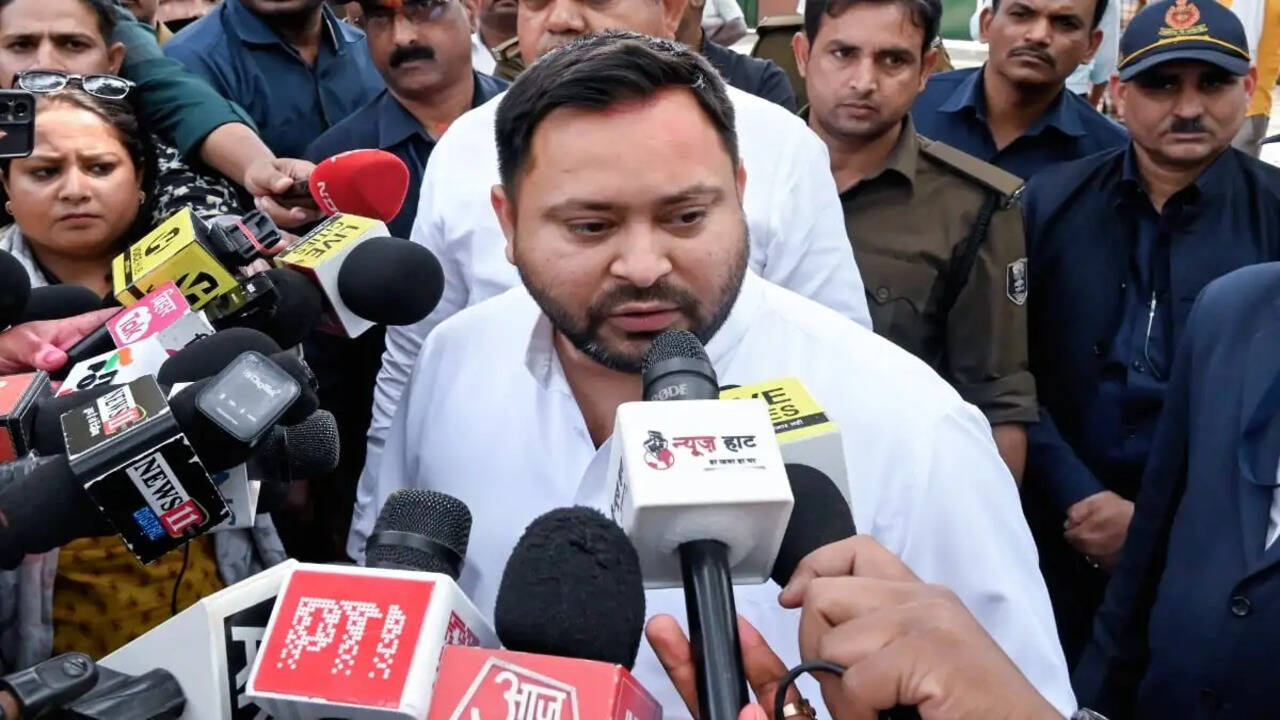
Bihar Chief Minister Nitish Kumar has resigned from his post, marking the end of his long tenure. He has been succeeded by Samrat Choudhary of the BJP, as the party prepares to form the new government in Bihar. The political landscape of Bihar has seen significant shifts with this development.
Key Highlights
- Nitish Kumar resigns as Bihar Chief Minister.
- Samrat Choudhary from BJP set to become new CM.
- End of Nitish Kumar's long political era in Bihar.
- BJP to lead the Bihar government for the first time.
- Political realignment in Bihar's state government.
Nitish Kumar has resigned as the Chief Minister of Bihar, marking a significant political shift in the state. His resignation, submitted to Governor Syed Ata Hasnain, was accepted, paving the way for a new government to be formed. The Bharatiya Janata Party (BJP) is set to lead the new government, with Samrat Choudhary elected as the leader of the BJP legislature party and poised to become the next Chief Minister. This development signifies the end of an era, as Nitish Kumar has been a dominant figure in Bihar politics for over two decades. The transition is expected to be smooth, with the BJP preparing to take the helm. Nitish Kumar's decision to resign comes after he took oath as a Rajya Sabha member on April 10, 2026, fulfilling a constitutional requirement to vacate his state legislature seat. The political history of Bihar has been marked by Nitish Kumar's frequent realignments, including his recent return to the NDA fold in January 2024 after a brief stint with the Mahagathbandhan. His tenure as Chief Minister has seen him switch alliances multiple times, from the BJP to the RJD and back again. The recent political developments have been closely watched, with speculation about the reasons behind his resignation including health concerns and strategic political positioning. His decision to step down also coincides with the end of 'Kharmas,' an inauspicious period according to the Hindu calendar, and Ambedkar's birth anniversary, April 14. The BJP's rise to lead the government in Bihar for the first time marks a new chapter in the state's political history. The party, being the single largest in the assembly, is now in a position to form the government. The oath-taking ceremony for the new government is anticipated to take place soon, with Prime Minister Narendra Modi expected to attend. This political transition is significant for India's political landscape, given Bihar's large population and its role in national politics. The article mentions that Nitish Kumar's resignation was a constitutional requirement after his election to the Rajya Sabha, which he officially took on April 10, 2026. He had resigned from the Bihar Legislative Council on March 30, 2026, to comply with this provision. The move is seen as a strategic one, allowing him to transition to national politics while ensuring stability in Bihar. The BJP's ascendance to lead the government in Bihar is a major political event, given the party's efforts to expand its footprint across the country. The state has witnessed numerous political realignments under Nitish Kumar's leadership, characterized by his ability to navigate complex coalition politics and maintain his position as Chief Minister through various political phases. The article also touches upon the symbolic significance of the date April 14, coinciding with Ambedkar Jayanti and the end of Kharmas, suggesting a blend of political calculation and cultural resonance in the timing of this transition. The departure of Nitish Kumar from the Chief Minister's office, after being the longest-serving CM, marks the conclusion of a significant political era in Bihar. The article refers to his welfare initiatives, such as the bicycle scheme for schoolgirls and prohibition policy, which played a crucial role in consolidating his voter base. As Bihar enters a new political phase under BJP leadership, the focus will shift to the policies and governance of the new administration.
Frequently Asked Questions
Why did Nitish Kumar resign as Bihar Chief Minister?
Nitish Kumar resigned as Bihar Chief Minister following his election to the Rajya Sabha, a move that necessitated vacating his state assembly seat as per constitutional provisions. He also appears to have strategically positioned himself for a role in national politics while facilitating a change in Bihar's leadership.
Who is likely to succeed Nitish Kumar as Bihar's Chief Minister?
Samrat Choudhary of the Bharatiya Janata Party (BJP) has been elected as the leader of the BJP legislature party and is poised to become the next Chief Minister of Bihar.
When was Nitish Kumar first appointed as Bihar's Chief Minister?
Nitish Kumar first became the Chief Minister of Bihar in 2000, and he has held the position for multiple terms since then, becoming Bihar's longest-serving chief minister.