UAE Warns Iran After Attacks: 'Your War Is Not With Neighbours'
The UAE President has sternly warned Iran to "return to its senses" following retaliatory Iranian missile and drone attacks on Gulf states, including Dubai and Abu Dhabi, which caused injuries and damage. These attacks followed US-Israeli strikes that killed Iran's Supreme Leader.
Key Highlights
- UAE President condemned Iran's retaliatory missile and drone attacks.
- Attacks targeted UAE, Qatar, and other Gulf states.
- Iranian strikes followed US-Israeli operation killing Supreme Leader Khamenei.
- UAE called for Iran to 'return to senses' and not wage war on neighbours.
- Debris from intercepted drones caused injuries in Dubai.
- Regional leaders urge de-escalation and diplomatic solutions.
In a significant escalation of Middle East tensions, the United Arab Emirates (UAE) President, Sheikh Mohammed bin Zayed Al Nahyan, issued a stark warning to Iran, urging it to "go back to your senses" and emphasizing that its conflict is not with its neighbours. This admonition comes in the immediate aftermath of a series of retaliatory missile and drone attacks launched by Iran against several Arab Gulf states, including the UAE and Qatar, on March 1, 2026.
The Iranian strikes were reportedly a direct response to a joint US-Israeli military operation in Tehran that resulted in the killing of Iran's Supreme Leader, Ayatollah Ali Khamenei, on February 28, 2026. This assassination triggered widespread protests in Iran and a vow of severe retaliation from Tehran, leading to a rapid and dangerous expansion of conflict across the region.
The UAE, particularly its commercial hub Dubai and capital Abu Dhabi, bore the brunt of these attacks. Reports from Dubai authorities confirmed that debris from intercepted Iranian drones caused injuries to two people after landing in residential areas, and loud booms were heard across the emirate. The Dubai Media Office clarified that these sounds were the result of successful interception operations by air defenses. Earlier reports indicated that Iranian strikes targeted several provinces in Abu Dhabi, including the Al-Dhafra US Base, and later extended to Dubai.
Anwar Gargash, the senior diplomatic advisor to the UAE President, reiterated the warning, stating on the X platform that Iran's aggression against Gulf states had "missed its target" and further isolated Tehran at a critical moment. He urged Iran to "Return to your senses, to your surroundings, and deal with your neighbours with reason and responsibility before the circle of isolation and escalation widens." Gargash further stressed that Iran's actions validate the narrative of those who view Iran as the primary source of regional danger and its missile program as a perpetual threat to stability.
Beyond the UAE, Qatar's Emir Sheikh Tamim bin Hamad Al Thani also joined President Sheikh Mohamed in condemning the "blatant Iranian attacks" targeting their territories and other "sisterly countries." Both leaders emphasized that these attacks constitute a dangerous escalation, violate international law and the UN Charter, and threaten regional security and stability. They called for an immediate cessation of all escalatory actions and a return to diplomatic solutions and dialogue.
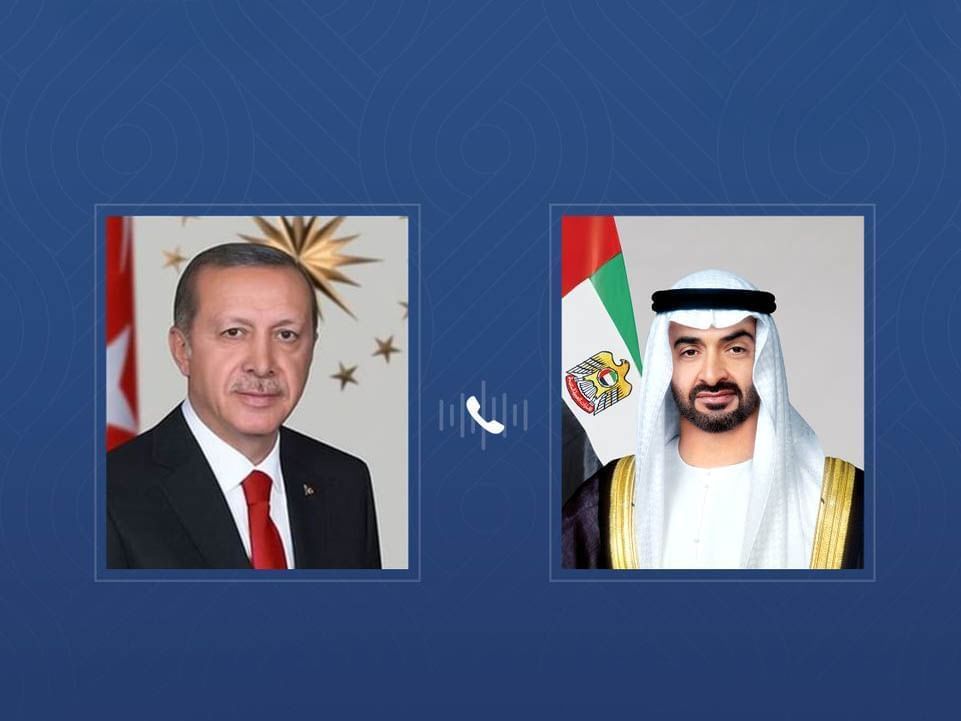
The gravity of the situation prompted extensive diplomatic outreach. UAE President Sheikh Mohamed bin Zayed Al Nahyan held phone calls with various regional leaders, including Saudi Arabia's Crown Prince Mohammed bin Salman, Egyptian President Abdel Fattah El-Sisi, and Jordanian King Abdullah II bin Al Hussein. During these discussions, the UAE President underscored the urgent need for de-escalation and a reliance on diplomatic means to preserve regional security. The Saudi Crown Prince expressed strong condemnation of the attacks and affirmed Saudi Arabia's full solidarity and support for the UAE, offering all capabilities to assist the UAE in protecting its security and sovereignty.
These recent developments highlight a significant deterioration in regional stability. The broader conflict involving the US, Israel, and Iran has profound implications not only for the Middle East but also for global economic stability, particularly energy markets. International bodies, including the UN Secretary-General, have also condemned the escalation and called for an immediate cessation of hostilities. The Indian audience would find this news highly relevant due to the presence of millions of Indian expatriates working in the Gulf region, whose safety and the region's stability are paramount. Concerns have been raised about the potential impact on Indian nationals and the need for diplomatic efforts to prevent further widening of the conflict.
This unfolding crisis underscores the delicate balance of power and the intricate web of alliances and rivalries in the Middle East. The UAE's call for Iran to reconsider its aggressive stance and engage in rational and responsible dialogue with its neighbours reflects a broader regional desire to prevent a full-scale conflagration.
Frequently Asked Questions
Why did Iran launch missile and drone attacks on Gulf states?
Iran launched these attacks as retaliation following a joint US-Israeli military operation in Tehran that resulted in the killing of Iran's Supreme Leader, Ayatollah Ali Khamenei.
What was the UAE's response to Iran's attacks?
The UAE President, Sheikh Mohammed bin Zayed Al Nahyan, condemned the attacks and urged Iran to 'return to its senses' and cease its aggression against neighbours. His diplomatic advisor, Anwar Gargash, reiterated this warning.
Which specific areas in the UAE were targeted or affected?
Iranian missile and drone attacks targeted several provinces in Abu Dhabi, including the Al-Dhafra US Base, and later extended to Dubai. Debris from intercepted drones caused injuries to two people in Dubai.
How have other regional countries reacted?
Leaders from Qatar, Saudi Arabia, Egypt, and Jordan have condemned the Iranian attacks and engaged in phone calls with the UAE President, calling for an immediate de-escalation and diplomatic solutions to preserve regional security.
What are the broader implications of this escalation for India?
The escalation has significant relevance for India due to the large Indian expatriate population working in the Gulf region, whose safety and well-being are directly impacted by regional instability. It also has implications for global energy markets and international security.