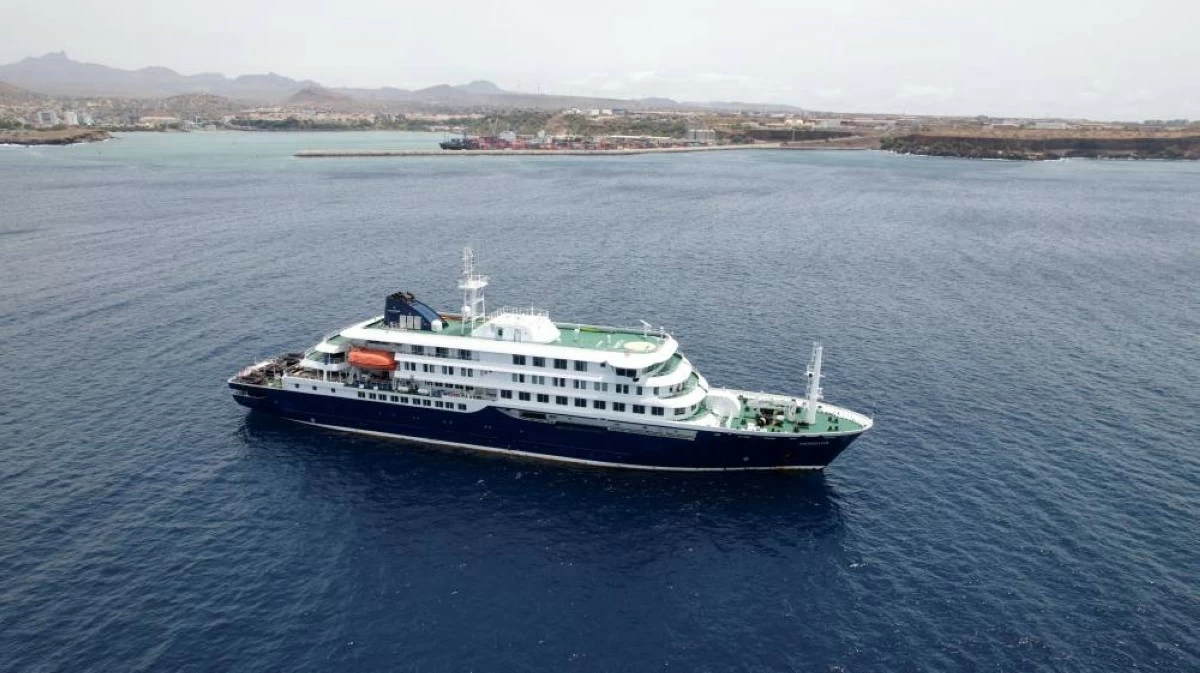
Hantavirus Outbreak on Cruise Ship: Two Indians Aboard, Global Response
A deadly Hantavirus outbreak on the cruise ship MV Hondius, involving the Andes strain capable of human-to-human transmission, has led to three deaths and multiple infections. Two Indian nationals are among the crew, prompting a global health response coordinated by the WHO as the ship heads to the Canary Islands.
Key Highlights
- Deadly Hantavirus outbreak confirmed on MV Hondius cruise ship.
- Two Indian nationals are identified among the crew members.
- Andes strain of Hantavirus detected, capable of human-to-human spread.
- World Health Organization coordinating a multi-country response and contact tracing.
- Three fatalities reported; several passengers are under medical care.
- Public health risk globally is assessed as low but vigilance remains critical.
A deadly outbreak of Hantavirus, specifically the Andes strain, has been confirmed on the Dutch-flagged cruise ship MV Hondius, which departed from Ushuaia, Argentina, on April 1, 2026. This incident has raised global health concerns as it is the only known Hantavirus strain capable of limited human-to-human transmission. As of May 7-8, 2026, a total of eight cases have been reported, with five confirmed laboratory diagnoses and three suspected cases. Tragically, three individuals have died as a result of the infection.
Among the 147 passengers and crew onboard the MV Hondius, it has been verified that at least two Indian nationals are part of the crew. This detail adds a significant dimension to the story for an Indian audience, highlighting the global reach of such health crises and the potential impact on Indian citizens working abroad. The vessel carried individuals from over 20 countries, making the containment and contact tracing efforts a complex international operation.
The World Health Organization (WHO) has been actively involved in coordinating the international response since being notified on May 2, 2026, by the United Kingdom. WHO Director-General Tedros Adhanom Ghebreyesus held a media briefing on May 7, 2026, to provide updates on the situation, emphasizing the seriousness of the incident while also assessing the overall public health risk as low. Other health organizations, including the Africa Centres for Disease Control and Prevention (Africa CDC) and the European Centre for Disease Prevention and Control (ECDC), are also closely monitoring the situation and providing guidance.
The outbreak's timeline suggests the first illness began around April 6, with a Dutch passenger exhibiting mild symptoms initially. The first death occurred on April 11 while onboard, but Hantavirus was not suspected at that time due to the similarity of symptoms to other respiratory illnesses. Subsequent deaths and a growing cluster of severe respiratory illnesses prompted further investigation, leading to the confirmed Hantavirus diagnoses. One patient, a British man, remains in critical condition in South Africa, while others are experiencing mild symptoms or are under observation.
The MV Hondius, a polar expedition ship, departed from Argentina, a country consistently ranked by the WHO for having a high incidence of Hantavirus in Latin America. Authorities suspect some passengers were exposed to the Andes virus in Argentina before boarding the ship, with subsequent limited human-to-human transmission occurring in the confined environment of the cruise ship. This is a crucial distinction, as most Hantavirus types are transmitted from rodents to humans through contact with their urine, droppings, or saliva, and do not spread person-to-person.
WHO officials, including Maria Van Kerkhove, interim director of epidemic and pandemic preparedness and prevention, have clarified that this outbreak is not akin to COVID-19 or influenza, as the Andes virus spreads through "close, intimate contact" rather than efficiently through the air. Given the incubation period for the Andes virus can extend up to six weeks, health authorities acknowledge that more cases might emerge, necessitating continued vigilance and active symptom monitoring for disembarked passengers.
To contain the spread, the WHO has provided guidance to the ship's operator, including asking all passengers to stay in their cabins for disinfection and isolating anyone showing symptoms. A team of experts from WHO, the Netherlands, and ECDC has boarded the ship to conduct medical assessments of all onboard and gather crucial information. The ship is currently en route to the Canary Islands, Spain, where protocols for safe and dignified disembarkation and onward travel are being developed. Spain has agreed to accept the ship, demonstrating international cooperation in managing this health threat. Authorities in various countries, including the US, are monitoring returning passengers who disembarked earlier in the voyage.
Frequently Asked Questions
What is Hantavirus and how is it typically spread?
Hantavirus is a family of viruses primarily carried by rodents like rats and mice, which shed the virus in their urine, droppings, and saliva. Humans typically get infected by inhaling aerosolized viral particles when rodent waste is disturbed. Most hantaviruses do not spread from person to person.
Why is this cruise ship outbreak particularly concerning?
This outbreak is concerning because it involves the Andes virus, a specific strain of Hantavirus predominantly found in South America, which is the only type known to be capable of limited human-to-human transmission through close and prolonged contact. The confined environment of a cruise ship and the multi-national passenger/crew manifest amplify the complexity of containment and tracing efforts.
Are there Indian nationals affected by this outbreak?
Yes, reports confirm that at least two Indian nationals are part of the crew aboard the MV Hondius cruise ship, which has been impacted by the Hantavirus outbreak.
What measures are being taken to contain the Hantavirus on the cruise ship?
The World Health Organization (WHO) and other health authorities have implemented measures including asking all passengers to remain in their cabins, disinfecting cabins, and isolating symptomatic individuals immediately. A team of medical experts has boarded the ship to assess all passengers and crew, and plans are being coordinated for the ship's safe disembarkation in the Canary Islands.
What is the global public health risk from this Hantavirus outbreak?
Despite the severity of the incident, the World Health Organization (WHO) has assessed the public health risk to the global population as low. While more cases are possible due to the incubation period, officials emphasize that the Andes virus spreads through close, intimate contact, making widespread transmission less likely compared to airborne viruses like COVID-19.