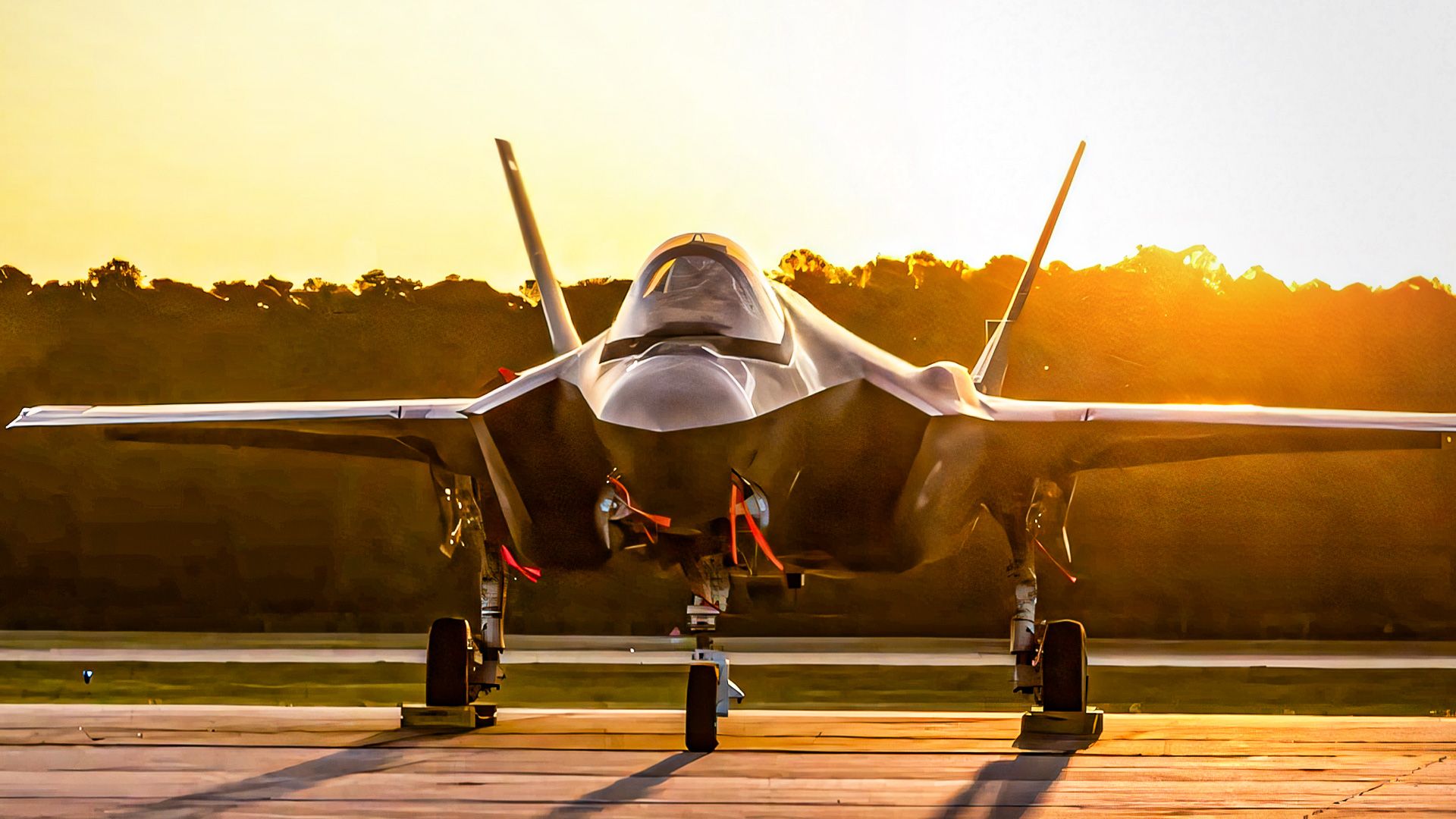
Ukraine's F-16s Faced Critical US Missile Shortage Amid Russian Winter Attacks
Ukraine's F-16 fighter jets experienced a severe shortage of US-made AIM-9 Sidewinder missiles for over three weeks in late 2024, exposing critical air defense vulnerabilities during intensified Russian winter assaults. Pilots were forced to improvise, relying on rotary cannons and reusing older missiles. The shortfall was eventually resolved in December with new deliveries.
Key Highlights
- Ukraine's F-16s lacked US-made AIM-9 Sidewinder missiles for weeks.
- Shortage occurred late November to mid-December 2024 during Russian air campaign.
- Pilots improvised with rotary cannons and reused old missiles due to scarcity.
- The crisis highlighted Ukraine's heavy reliance on Western missile supplies.
- Older AIM-9 Sidewinder variants were primarily used for drone interception.
- The missile supply gap was resolved in December with fresh deliveries.
An exclusive report by Reuters, corroborated by multiple news outlets, reveals that Ukraine's F-16 fighter jets faced a critical shortage of US-made air-to-air missiles for over three weeks between late November and mid-December 2024. This acute shortfall, which had not been previously reported, left Ukrainian F-16 pilots with insufficient munitions to effectively counter Russia's intensified winter aerial assault, compelling them to adopt highly risky and improvisational tactics.
According to sources familiar with the situation, deliveries of US-made AIM-9 Sidewinder missile interceptors from Ukraine's international partners temporarily ceased during this period. Three sources with direct knowledge of the matter indicated that Ukraine possessed only a small number of Sidewinder missiles available for its entire F-16 fleet when the supply pipeline dried up. This vulnerability emerged at a crucial time as Russia was escalating its air campaign, targeting Ukrainian cities and critical infrastructure.
The missile deficit forced Ukrainian F-16 pilots to employ desperate measures. During daytime sorties, pilots reportedly resorted to using their aircraft's rotary cannons to intercept incoming Russian drones, a tactic far more dangerous and less effective than missile engagement. Night missions, often when many Russian drone attacks occur, were largely deemed too risky without adequate missile protection. Furthermore, pilots attempted to reuse missiles that had failed to launch in previous missions, after subjecting them to maintenance checks. In some instances, these re-deployed missiles surprisingly functioned correctly.
Ukraine's F-16s have primarily relied on older variants of the AIM-9 Sidewinder, specifically the 'Lima' and 'Mike' models, which were manufactured in the 1970s and 1980s. Despite their age, these missiles have proven to be a relatively affordable and effective means for Ukraine to intercept Russian drones and cruise missiles.
The shortage laid bare the inherent vulnerabilities of Ukraine's air defense network, which is heavily dependent on consistent supplies of missiles and defense systems from Western allies to repel frequent Russian strikes. Kyiv has repeatedly voiced concerns about ammunition shortages since the full-scale invasion began in 2022, intensifying these warnings in recent months. The need for Western arms is expected to persist as the conflict shows no signs of abating, and global competition for defensive weapons is intensifying.
While the original Reuters report did not specify the exact cause of the supply interruption or whether it stemmed from US or European delays, a NATO official mentioned that the alliance has been providing substantial volumes of ammunition for Ukraine's air defense systems. Germany and Canada were also cited by one source as having supplied Sidewinder missiles in recent months, with a confirmation of a "bit of a dip" in supplies, though the reasons remained undisclosed.
The critical shortfall was reportedly addressed and resolved in December 2024, when Ukraine received additional AIM-9 Sidewinder missiles from partner countries, just ahead of a major Russian air attack. The identities of the nations providing these crucial deliveries were not disclosed, citing security reasons.
This incident underscores Ukraine's ongoing struggle to maintain its air defense capabilities amidst relentless Russian aggression and its profound reliance on sustained Western military assistance. The F-16 jets, supplied by European allies, began arriving in Ukraine in 2024, with some deployments noted as early as late July or August 2024. The Netherlands, for example, completed the delivery of 24 F-16s in May 2025. These jets are considered a key component of Ukraine's layered air defense system and have reportedly intercepted around 2,000 drones and missiles in their air defense role.
The revelation of this missile shortage serves as a stark reminder of the logistical challenges and critical dependencies inherent in supporting Ukraine's war effort, highlighting that delays or interruptions in military aid can have immediate and severe operational consequences on the battlefield.
Frequently Asked Questions
What type of missiles were in short supply for Ukraine's F-16s?
Ukraine's F-16 fighter jets experienced a severe shortage of US-made AIM-9 Sidewinder air-to-air missiles.
When did the missile shortage for Ukraine's F-16s occur?
The critical missile shortage lasted for over three weeks between late November and mid-December 2024, coinciding with intensified Russian winter air assaults.
How did Ukrainian F-16 pilots cope with the missile shortage?
During the shortage, F-16 pilots were forced to improvise by using rotary cannons for daytime engagements against drones and attempting to reuse missiles that had previously failed to launch after maintenance checks.
What was the broader impact of this missile shortage on Ukraine's air defense?
The shortage exposed significant vulnerabilities in Ukraine's air defense network, highlighting its heavy reliance on consistent supplies of Western-provided missiles to counter Russian drone and missile strikes.
Has the F-16 missile shortage for Ukraine been resolved?
Yes, the missile shortfall was eventually resolved in December 2024 when Ukraine received additional AIM-9 Sidewinder missiles from partner countries.