Karachi Gas Explosion Kills 16 in Collapsed Illegal Building
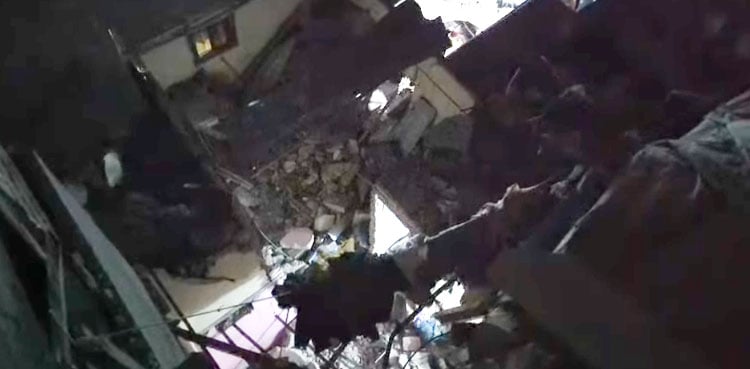
A gas explosion in Karachi, Pakistan, has resulted in the deaths of at least 16 people, including several children, and left many injured. The blast caused a partial collapse of an illegal residential building in the Soldier Bazaar area early on Thursday, the first day of Ramadan. Rescue operations are ongoing to find any survivors trapped under the debris.
Key Highlights
- Gas explosion caused building collapse in Karachi.
- At least 16 people, including children, died.
- The building was illegal and poorly constructed.
- Incident occurred during pre-dawn meal on Ramadan's first day.
- Rescue efforts continue to find survivors.
- Concerns raised about illegal construction and safety in Karachi.
A devastating gas explosion on the first floor of a residential building in Karachi's Soldier Bazaar area has led to the deaths of at least 16 people, with several others injured. The blast, which occurred in the early hours of Thursday, the first day of Ramadan, caused a partial collapse of the ground-plus-two-storey structure. The building was described as illegal and composed of small, individual rooms, which complicated rescue efforts.
Rescue operations were immediately launched, with urban search and rescue teams and disaster response vehicles deployed to the site. Officials confirmed that among the deceased were at least eight minors, four women, and four men. Seven minors were also among the injured. The injured and deceased were transported to Civil Hospital.
The explosion happened around 4:15 am to 4:30 am during Sehri, the pre-dawn meal observed by Muslims during Ramadan, when most residents were awake. This timing likely contributed to the number of casualties as people were in their homes preparing for the meal.
Authorities have indicated that the building was not legal and its construction with small, individual rooms made rescue operations difficult. The incident has reignited concerns about the prevalence of illegal construction and inadequate safety standards in Karachi, a densely populated city. Reports suggest that hundreds of buildings in Karachi have been declared dangerous, with some structures being multiple stories high and built in violation of building codes. Previous incidents, such as a building collapse in Lyari in July of the previous year that killed 27 people, underscore the persistent safety issues.
Officials, including the Sindh Chief Minister Murad Ali Shah, have expressed grief over the loss of lives and directed authorities to expedite rescue efforts and provide comprehensive medical care to the injured. An investigation into the cause of the explosion and the legality of the building has been ordered. The incident also highlights the common practice in Karachi of relying on liquefied petroleum gas (LPG) cylinders due to inconsistent natural gas supply, which increases the risk of leaks and explosions.
This event is a stark reminder of the critical need for stricter enforcement of building regulations and improved safety measures in Karachi to prevent future tragedies. The ongoing search for survivors and the investigation into the incident are continuing.
Frequently Asked Questions
What caused the building collapse in Karachi?
A gas explosion, likely due to a gas leak or a faulty LPG cylinder, caused a partial collapse of a residential building in Karachi's Soldier Bazaar area.
How many people died in the Karachi gas explosion?
At least 16 people, including several children, were killed in the incident. The number of injured is reported to be around 14.
When and where did the incident occur?
The explosion and subsequent building collapse occurred in the early hours of Thursday, February 19, 2026, during Sehri (pre-dawn meal) in the Soldier Bazaar area of Karachi, Pakistan.
Was the building legal?
Reports indicate that the building was illegal and constructed with small, individual rooms, which may have contributed to its structural weakness and the severity of the collapse.