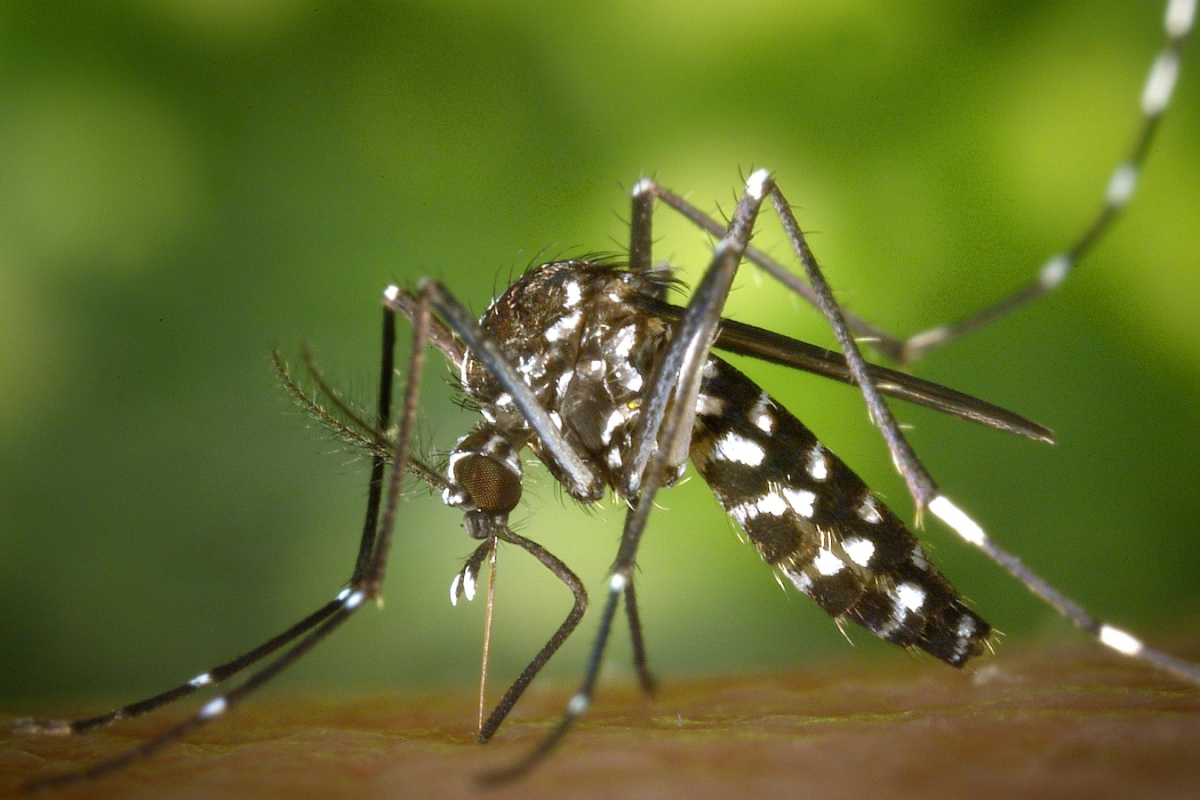
Kerala on Alert: Five Suspected West Nile Fever Cases Reported
Kerala health authorities have issued an alert following five suspected cases of West Nile fever in Ernakulam district. Samples have been sent for testing, and officials are emphasizing public awareness and mosquito control measures to prevent spread of the mosquito-borne viral disease.
Key Highlights
- Five suspected West Nile fever cases reported in Ernakulam, Kerala.
- Health authorities have issued an alert and intensified mosquito control.
- West Nile fever is a mosquito-borne viral infection.
- Most infections are asymptomatic, but severe cases can cause neurological damage.
- Prevention focuses on avoiding mosquito bites and eliminating breeding sites.
- No specific treatment or vaccine currently available for West Nile fever.
Health authorities in Kerala, India, have sounded an alert following the detection of five suspected cases of West Nile fever (WNF) in the Ernakulam district. The cases, reported from multiple locations including Elanji, Eroor in Thripunithura, Pallikkara in Kizhakkambalam, Ponekkara in Edappally, and Palluruthy, have prompted immediate precautionary measures. Dr. R. Shahirsha, the District Medical Officer (DMO) of Ernakulam, clarified that these are currently *suspected* cases, and confirmation awaits laboratory test results, which are expected within 14 days. Despite no cluster of infections being identified yet, officials are urging heightened vigilance among residents, especially as mosquito-borne diseases tend to increase during the summer months in the state.
West Nile fever is a viral infection caused by the West Nile Virus (WNV), belonging to the *Flaviviridae* family. The virus is primarily transmitted to humans through the bite of infected *Culex* species mosquitoes. These mosquitoes become infected when they feed on birds, which serve as the natural reservoir hosts for the virus. While WNV circulates widely in regions like Africa, Europe, the Middle East, North America, and West Asia, its presence has been documented in India since the 1950s.
Historically, Kerala has experienced recurring outbreaks of West Nile fever, with the first case reported in 2011. The state has seen sporadic cases and outbreaks in subsequent years, including a notable surge with confirmed cases and deaths across various districts like Thrissur, Malappuram, and Kozhikode in May 2024. The current alert in Ernakulam in April 2026 highlights the ongoing public health challenge posed by WNF in the region.
Approximately 80% of individuals infected with the West Nile Virus remain asymptomatic, showing no symptoms at all. However, about 20% of infected people develop West Nile fever, characterized by mild, flu-like symptoms. These typically include fever, headache, body aches, fatigue, nausea, vomiting, occasionally a skin rash on the trunk, and swollen lymph glands. These mild symptoms usually resolve on their own within a few days to a few weeks.
In a small percentage of cases, less than 1% (approximately 1 in 150), WNV infection can lead to severe neuroinvasive disease, impacting the central nervous system. This severe form can manifest as meningitis (inflammation of the membranes surrounding the brain and spinal cord), encephalitis (inflammation of the brain), or acute flaccid myelitis. Symptoms of severe illness are more serious and can include high fever, severe headache, neck stiffness, confusion, disorientation, stupor, tremors, convulsions, muscle weakness, and paralysis. In rare and severe instances, these complications can lead to coma or even death. Individuals at higher risk for developing severe disease include older adults (over 60 years of age), immunocompromised persons (such as transplant patients), and those with underlying chronic conditions like cancer or diabetes.
The incubation period for West Nile fever is typically between 2 to 14 days, though it can extend to several weeks in older or immunocompromised individuals. Diagnosis is confirmed through laboratory testing, detecting viral genetic material or specific antibodies. There is currently no specific antiviral treatment or human vaccine available for West Nile fever. Treatment is primarily supportive, focusing on managing symptoms such as fever, pain, and dehydration. Patients with severe neurological symptoms may require hospitalization, intensive monitoring, intravenous fluids, respiratory support, and prevention of secondary infections.
Prevention strategies are crucial and primarily revolve around avoiding mosquito bites and controlling mosquito populations. Individual protective measures include using mosquito repellents, wearing long-sleeved clothing and long pants, especially during peak mosquito activity times (early morning and dusk), and ensuring that windows and doors have proper screens. Eliminating mosquito breeding sites is equally vital, which involves regularly cleaning and emptying stagnant water containers around homes and in surrounding areas. Community-level efforts, such as organized sanitation drives, regular fogging campaigns, and public awareness programs, are essential to effectively control the spread of the virus.
The current alert in Kerala serves as a critical reminder of the persistent threat posed by vector-borne diseases and underscores the importance of public health awareness, early detection, and proactive preventive measures to safeguard community health.
Frequently Asked Questions
What is West Nile fever and how is it transmitted?
West Nile fever is a viral infection caused by the West Nile Virus (WNV), primarily transmitted to humans through the bite of infected *Culex* mosquitoes. These mosquitoes acquire the virus by feeding on infected birds, which are the natural reservoir hosts.
What are the common symptoms of West Nile fever?
Most people infected with WNV (about 80%) show no symptoms. For those who do, symptoms are typically mild and flu-like, including fever, headache, body aches, fatigue, nausea, vomiting, skin rash, and swollen lymph glands. These usually resolve on their own.
Can West Nile fever cause severe illness?
Yes, in less than 1% of cases, WNV can cause severe neuroinvasive disease affecting the brain and spinal cord, leading to conditions like meningitis or encephalitis. Severe symptoms include high fever, severe headache, neck stiffness, confusion, tremors, paralysis, and in rare instances, coma or death.
Is there a treatment or vaccine for West Nile fever?
Currently, there is no specific antiviral treatment or human vaccine available for West Nile fever. Treatment is supportive, focusing on managing symptoms such as fever, pain, and dehydration. Severe cases require hospitalization and intensive care.
How can one prevent West Nile fever?
Prevention primarily involves avoiding mosquito bites by using repellents, wearing protective clothing, and screening windows/doors. Eliminating mosquito breeding sites, such as stagnant water, around homes and in communities is crucial to control mosquito populations.