Iran's Leader Accuses US, Israel of Destabilization Amid Ongoing Conflict
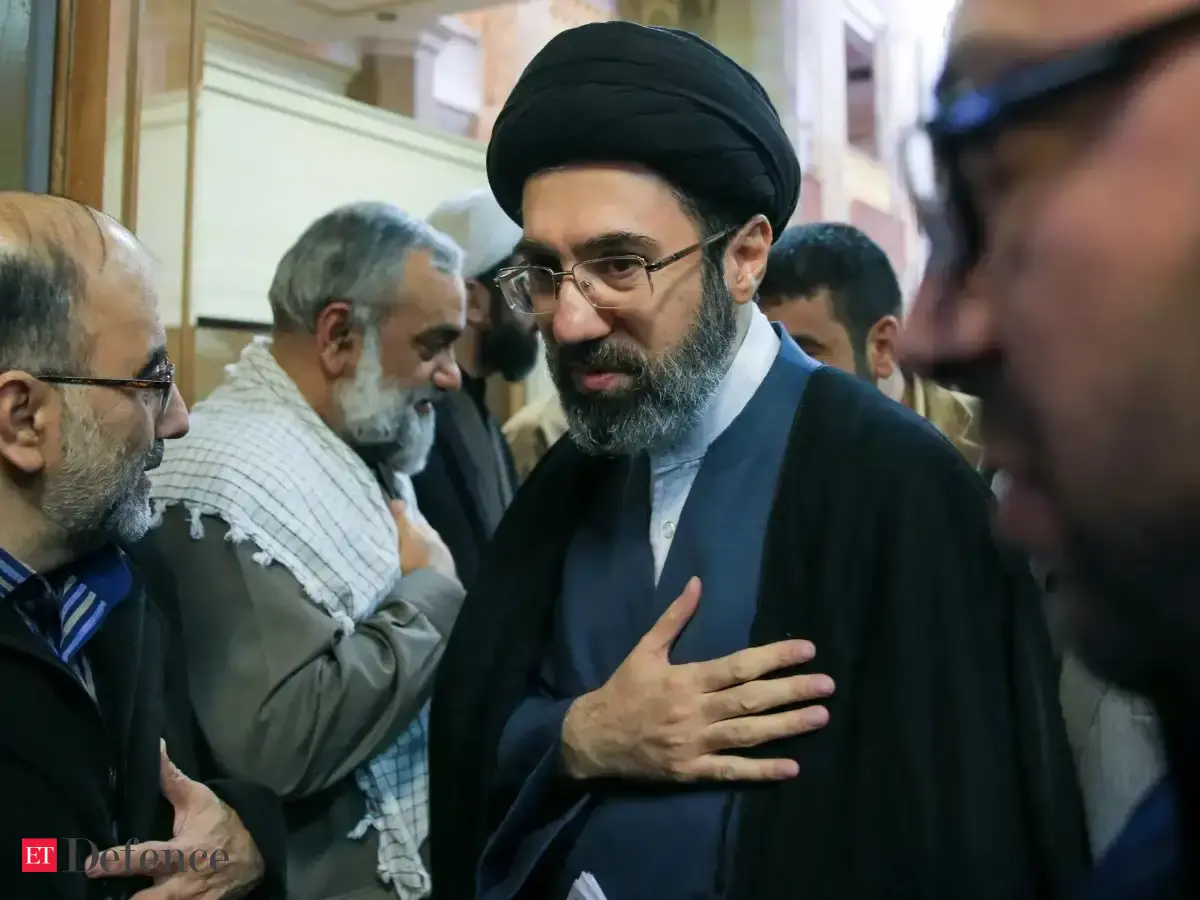
Iran's Supreme Leader Mojtaba Khamenei has accused the United States and Israel of seeking to destabilize the Islamic Republic through division and disintegration. The statement was made on the anniversary of the national legislature's founding, with Khamenei emphasizing the need for national unity. This comes amidst a complex geopolitical landscape involving ongoing negotiations, a fragile ceasefire, and escalating regional tensions.
Key Highlights
- Iran's Supreme Leader accused the US and Israel of destabilization efforts.
- Khamenei called for national unity and cohesion among Iranians.
- The statement was made on the anniversary of Iran's national legislature.
- The accusations come amid ongoing US-Iran negotiations and a fragile ceasefire.
- Regional tensions remain high with ongoing conflict and diplomatic efforts.
Iran's Supreme Leader, Mojtaba Khamenei, has issued a stern warning, accusing the United States and Israel of orchestrating a plan to "bring the nation to its knees" by fostering division and disintegration within the Islamic Republic. This declaration was made in a written message, read on state television, marking the anniversary of the founding of Iran's national legislature. Khamenei's statement emphasized the critical need for unity and cohesion among Iranians, framing it as a defense against external enemies. This assertion from the supreme leader surfaces during a period of intense diplomatic maneuvering and ongoing military conflict in the region.
The broader context reveals a highly volatile geopolitical situation. Reports indicate that a tentative 60-day memorandum of understanding between the U.S. and Iran to extend a ceasefire and continue nuclear program negotiations has been reached, though it awaits final approval from U.S. President Donald Trump. This fragile diplomatic progress is juxtaposed with continued military actions, including U.S. strikes on Iranian targets and Iranian retaliatory actions, exacerbating regional tensions. The Strait of Hormuz remains a focal point, with conflicting reports on its management and Iran's assertion of control. The U.S. has imposed sanctions related to the strait, further complicating the situation.
Relations between Iran and Israel have been hostile since the Islamic Revolution in 1979, escalating into open conflict in recent years, including in 2024, 2025, and a current ongoing war in 2026. This period has seen direct missile strikes, assassinations, and major military operations. The assassination of Supreme Leader Ali Khamenei (Mojtaba Khamenei's father) on February 28, 2026, by U.S.-Israeli forces, as stated in some reports, marked a significant escalation and led to Mojtaba Khamenei succeeding him. The ongoing conflict has had a profound impact on the region, with neighboring countries like Lebanon also experiencing intensified Israeli actions.
Internally, Iran's leadership faces the challenge of maintaining national unity amidst these external pressures and ongoing negotiations. Khamenei's message to the parliament, urging lawmakers not to let political differences devolve into public fractures, highlights this internal dynamic. Speaker Mohammad Bagher Ghalibaf's role in the U.S.-Iran talks is noted, though questions persist about the coordination between the negotiating team and the supreme leader. The focus within Iran also remains on economic stability, reconstruction, and adapting to its evolving regional and global position.
India's relationship with Iran is marked by a long history of interactions, with significant trade ties and cooperation in various sectors. While India maintains diplomatic relations, it also navigates complex geopolitical currents, including the U.S.-Iran conflict and regional stability. The current situation underscores the intricate web of international relations, where diplomatic efforts, military actions, and internal political messaging converge to shape the regional and global landscape. The accusations from Iran's Supreme Leader are a significant development within this complex environment, reflecting deep-seated animosity and strategic objectives.
Frequently Asked Questions
Who is Iran's Supreme Leader Mojtaba Khamenei?
Mojtaba Khamenei is the current Supreme Leader of Iran. He succeeded his father, Ayatollah Ali Khamenei, in early 2026 following his death.
What are the main accusations made by Iran's Supreme Leader against the US and Israel?
Supreme Leader Mojtaba Khamenei has accused the United States and Israel of attempting to destabilize Iran by fostering division and aiming to 'bring the nation to its knees'.
What is the current state of US-Iran relations?
Despite ongoing hostilities and accusations, there are reports of a tentative agreement for a 60-day ceasefire extension and ongoing negotiations regarding Iran's nuclear program, though a final deal is pending approval.