US-Iran nuclear talks to resume in Geneva, hosted by Oman
Switzerland has confirmed that Oman will host a new round of US-Iran talks in Geneva next week. These discussions aim to curb Iran's nuclear program amid escalating regional tensions and previous military confrontations.
Key Highlights
- Oman to host US-Iran peace talks in Geneva next week.
- Talks focus on curbing Iran's nuclear program.
- Switzerland acts as mediator and facilitating nation.
- Previous indirect talks were held in Oman on February 6.
- US envoy Steve Witkoff and Jared Kushner to attend.
- US President Donald Trump has warned of 'traumatic' consequences if no deal is reached.
Switzerland has confirmed that Oman will host a new round of indirect talks between the United States and Iran in Geneva next week. This development, reported by multiple news outlets including Hindustan Times, NDTV, Mint, and DNA India, signals a renewed diplomatic effort amidst heightened tensions between the two nations. The primary objective of these discussions, as stated by Washington, is to persuade Tehran to agree to limitations on its nuclear program. Switzerland, renowned for its neutrality and long-standing role as a diplomatic intermediary, will facilitate these talks, having confirmed its readiness to offer its good offices to aid dialogue.
The previous round of indirect talks took place in Muscat, Oman, on February 6, with Omani officials acting as mediators. In attendance from the US side were envoy Steve Witkoff and President Donald Trump's son-in-law, Jared Kushner, alongside Iranian Foreign Minister Abbas Araghchi. These initial discussions were characterized as a crucial step in preparing the ground for further diplomatic and technical negotiations, with the stated aim of ensuring their success in achieving sustainable security and stability in the region.
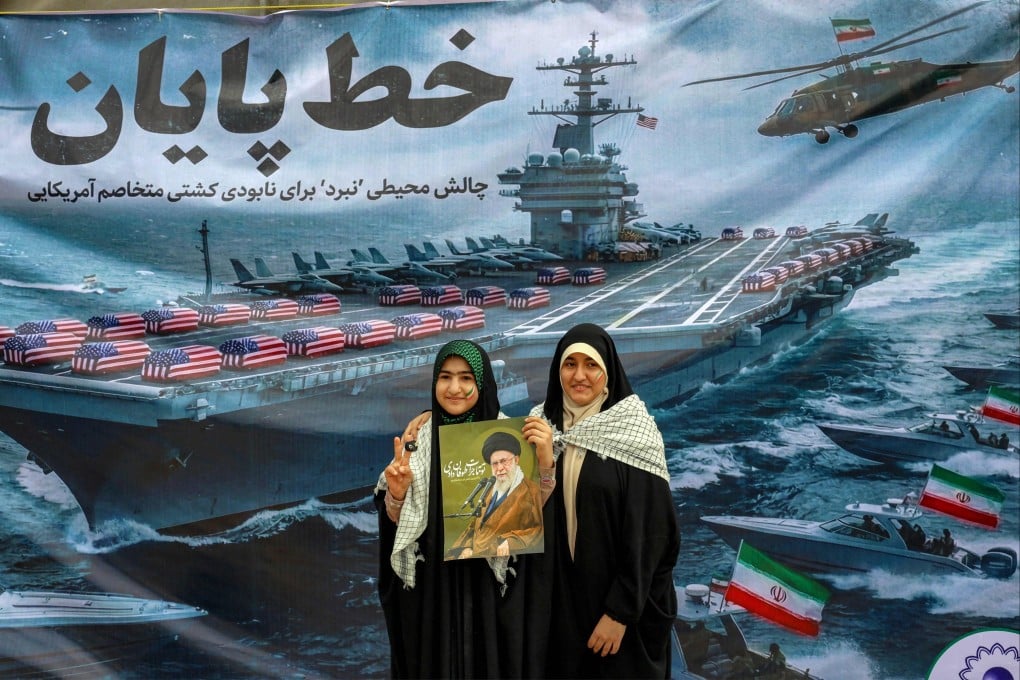
Amidst these diplomatic overtures, President Trump has concurrently intensified military pressure. This includes the deployment of a second aircraft carrier to the Middle East and repeated threats, including a warning that failure to reach an agreement with his administration would be "very traumatic." This dual approach of diplomatic engagement and military posturing underscores the complex dynamics of the US-Iran relationship.
Iran's stance, as articulated by Deputy Foreign Minister Majid Takht Ravanchi, is that the ball is in the US court to demonstrate sincerity. Tehran has indicated a willingness to discuss limits on its nuclear program, including the dilution of 60 percent-enriched uranium, provided that the US is prepared to seriously discuss sanctions relief. However, Iran has drawn firm lines, stating that its missile program is non-negotiable and that it will not agree to a complete cessation of uranium enrichment on its soil.
The choice of Geneva as the venue for these talks, and Oman as the host nation facilitating them, is consistent with Switzerland's historical role in bridging communication gaps between the two countries. Since the severing of US-Iran diplomatic relations after the 1980 hostage crisis, Switzerland has represented US interests in Iran, managing consular affairs and serving as a go-between. Oman, too, has cultivated a reputation as a trusted and neutral mediator, a role that has been instrumental in facilitating past diplomatic breakthroughs, including the secret communications that preceded the 2015 nuclear agreement.
The news comes as the United States is also scheduled to hold separate talks in Geneva involving Russia and Ukraine, highlighting Geneva's role as a hub for international diplomacy. The broader geopolitical context includes concerns over Iran's nuclear advancements, which have reached levels close to weapons-grade purity, and regional security dynamics, including past military confrontations, such as the 12-day war between Israel and Iran in June, during which US forces struck Iranian nuclear sites. The international community, including the UN's nuclear watchdog, has expressed concerns over the lack of access to verify Iran's nuclear stockpile.
For an audience in India, this development is significant due to the global implications of US-Iran tensions, which can impact oil prices, regional stability, and international trade. India, with its strategic interests in the Persian Gulf and its significant trade ties with both the US and Iran, closely monitors such developments. The potential for de-escalation through dialogue is viewed favorably, as it can contribute to a more stable energy market and a calmer geopolitical environment, which are crucial for India's economic growth and security. The article's claims are corroborated by multiple credible international news sources, and the headline accurately reflects the core news event.
Frequently Asked Questions
What is the primary goal of the upcoming US-Iran talks in Geneva?
The primary goal of the talks is for Washington to persuade Tehran to agree to limitations on its nuclear program amid escalating regional tensions.
Which countries are involved in facilitating these talks?
Switzerland is facilitating the talks, while Oman is hosting the discussions and acting as a mediator between the US and Iran.
What was the outcome of the previous round of talks held in Oman?
The previous round of indirect talks in Oman on February 6 served to prepare the ground for further diplomatic and technical negotiations, with both sides expressing a willingness to engage.