India Legalises 100% Ethanol Vehicles; Gadkari Signs E100 Regulations
Union Minister Nitin Gadkari has officially signed regulations legalising 100% ethanol (E100) as automotive fuel in India, paving the way for flex-fuel vehicles and reducing crude oil imports. This landmark move aims to bolster energy security, support farmers, and promote greener transportation.
Key Highlights
- Nitin Gadkari signed regulations for 100% ethanol (E100) use in vehicles.
- Move aims to reduce India's reliance on imported crude oil.
- Automakers to launch E100-compatible vehicles soon.
- Policy supports E85, B100 biodiesel, and hydrogen-CNG as well.
- Decision expected to benefit farmers by increasing ethanol demand.
- Nagpur to host pilot project for hydrogen-powered buses.
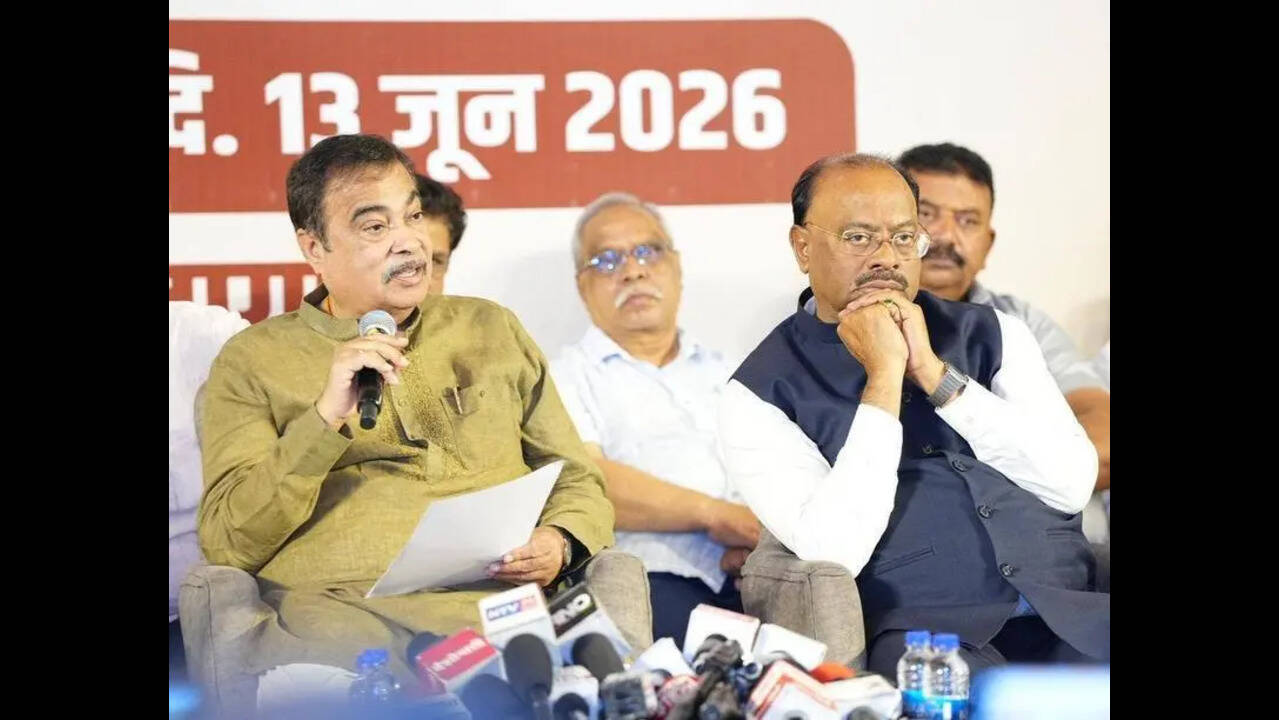
In a significant stride towards strengthening India's energy independence and promoting sustainable transportation, Union Minister for Road Transport and Highways, Nitin Gadkari, announced on Saturday, June 14, 2026, that he has officially signed the regulations legalising the use of 100% ethanol (E100) as an automotive fuel. The announcement, made at an event in Nagpur, marks a pivotal moment in India's journey to diversify its energy basket and reduce its substantial crude oil import bill.
Gadkari revealed that he signed the crucial file on Friday evening, June 13, 2026, formally clearing the regulatory pathway for E100-compatible vehicles in the country. This development is poised to accelerate the introduction of Flex-Fuel Vehicles (FFVs) capable of running on pure ethanol, thereby significantly curbing India's dependence on imported fossil fuels. The minister reflected on the initial skepticism surrounding his vision for 100% ethanol, stating that 'people used to laugh' at the idea, but years of persistent policy support, growth in domestic ethanol production, and advancements in flex-fuel technology have now transformed it into a practical reality.
The newly approved regulations legally authorise E100 fuel, enabling automobile manufacturers to develop and sell vehicles specifically engineered to operate solely on pure ethanol. This move builds upon India's existing ethanol blending programme, which has already seen nationwide availability of E20 petrol in many regions. The proposed amendments to the Central Motor Vehicles Rules (CMVR), 1989, are comprehensive, also supporting the wider adoption of other alternative fuels such as E85 (a blend of 85% ethanol), B100 biodiesel, and hydrogen-CNG blends.
A primary driver behind the E100 adoption is the government's strategic objective to reduce India's massive reliance on imported crude oil. The nation spends billions of dollars annually on fuel imports, exposing its economy to volatile global oil prices. By transitioning to ethanol, which is produced from domestically available agricultural feedstocks like sugarcane, corn, and surplus grains, India aims to enhance its energy security. This initiative is also expected to significantly benefit the agricultural sector by creating increased demand for these crops, thereby providing additional income opportunities for farmers and contributing to rural development.
Several major automakers are already gearing up to introduce ethanol-compatible vehicles in the Indian market. Gadkari mentioned that companies including Toyota, Suzuki, Hyundai, and MG are expected to launch E100-compatible vehicles within the next month and a half. Notably, Hero MotoCorp, a dominant player in the motorcycle segment, has already launched flex-fuel variants of its Splendor+ and HF Deluxe motorcycles, capable of running on E85 ethanol blends. Furthermore, Gadkari, along with Union Petroleum Minister Hardeep Singh Puri, recently showcased a 100% ethanol-compatible version of the Maruti Suzuki WagonR, one of India's best-selling cars, underscoring the government's robust push for cleaner and domestically produced fuels.
Beyond ethanol, the government's broader strategy for a multi-fuel future for transportation includes continued support for electric vehicles, biodiesel, CNG, LNG, hydrogen, and green hydrogen technologies. In line with this vision, Gadkari also announced a forthcoming pilot project in Nagpur. This project will feature hydrogen-powered buses and dedicated hydrogen refuelling infrastructure, extracted from water using an electrolyser, further demonstrating the government's commitment to diverse alternative fuel solutions. This comprehensive approach aims not only to reduce the country's fuel import bill but also to address environmental concerns by lowering carbon emissions from the transport sector.
While the regulatory approval for E100 is a groundbreaking step, challenges remain, particularly concerning India's vast fleet of existing vehicles. Many older vehicles were designed for lower ethanol blends, and clarity is needed on their compatibility, warranty implications, and fuel recommendations for millions of vehicles already on the road. However, the legal framework now in place provides automakers with the certainty to accelerate investments in flex-fuel engines, ethanol-compatible fuel systems, and dedicated vehicle platforms, marking a new phase in India's transition towards a more sustainable and self-reliant transportation ecosystem.
Frequently Asked Questions
What does 'legalising 100% ethanol vehicles' mean for India?
It means the Indian government has officially approved the use of pure ethanol (E100) as a fuel for vehicles. This opens the door for automakers to manufacture and sell vehicles specifically designed to run entirely on ethanol, alongside current petrol and E20 blends.
What are the main benefits of adopting E100 fuel in India?
The primary benefits include reducing India's heavy reliance on imported crude oil, enhancing the nation's energy security, and providing additional income opportunities for farmers by increasing demand for agricultural feedstocks used in ethanol production. It also contributes to lowering carbon emissions.
When can Indian consumers expect to see E100-compatible vehicles?
Union Minister Nitin Gadkari stated that several major automakers like Toyota, Suzuki, Hyundai, and MG are expected to launch E100-compatible vehicles within the next month and a half. Hero MotoCorp has already introduced E85-compatible motorcycles.
Will existing vehicles in India be able to run on 100% ethanol?
Most existing vehicles were not designed for high ethanol blends like E100 or even E85. There are concerns regarding compatibility, warranty implications, and fuel recommendations for millions of older vehicles. Clarity from automakers and regulators on this aspect is still awaited.
Is India promoting other alternative fuels besides ethanol?
Yes, the approval of E100 regulations is part of a broader strategy. The government continues to support electric vehicles, biodiesel (B100), CNG, LNG, hydrogen, and green hydrogen technologies. A pilot project for hydrogen-powered buses is also planned for Nagpur.