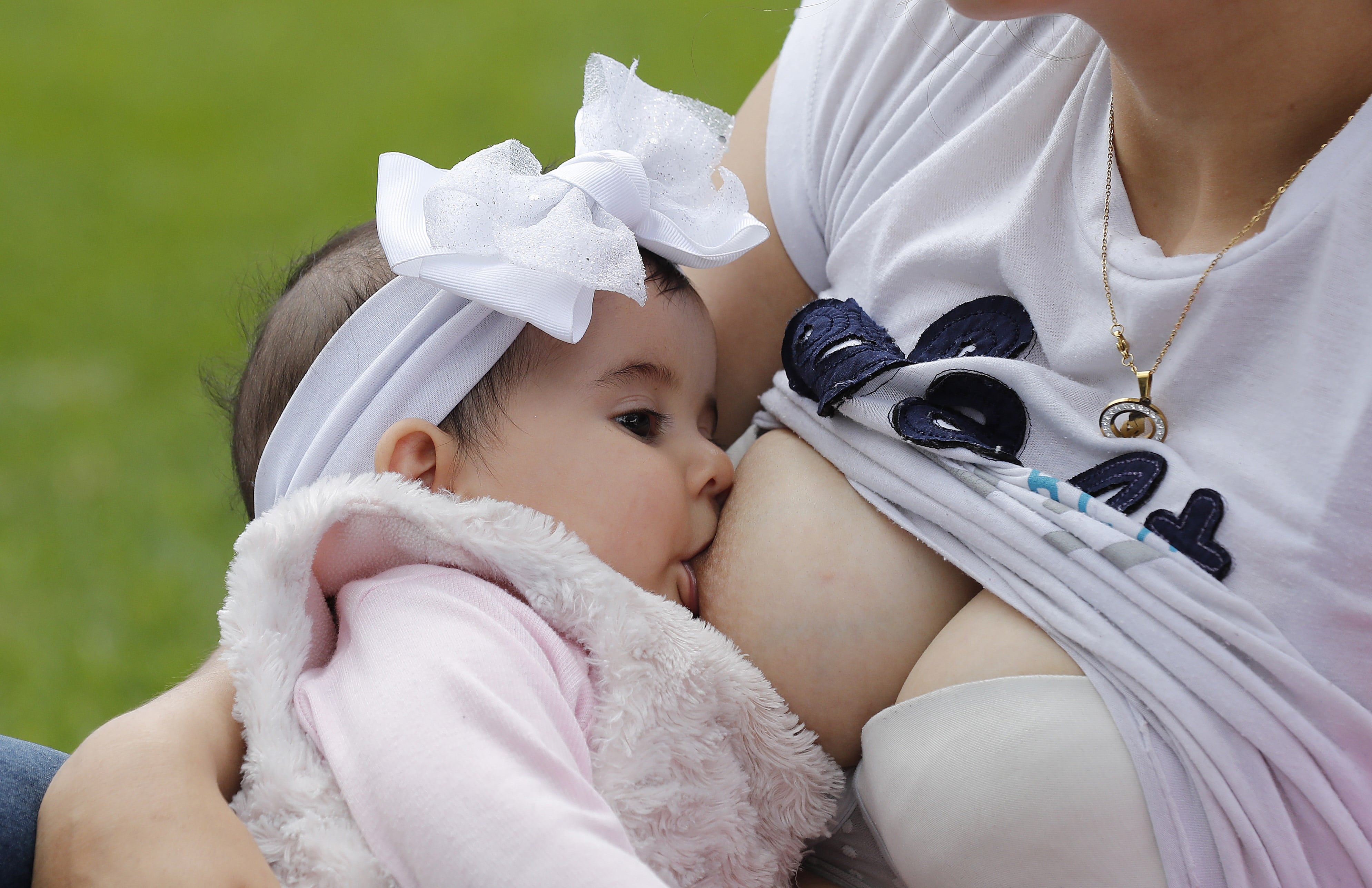
Nirsevimab Significantly Reduces Infant RSV Hospitalizations, Global Impact Highlighted
Nirsevimab, a single-dose monoclonal antibody, has shown high efficacy in reducing respiratory syncytial virus (RSV) related hospitalizations and severe outcomes in infants globally. Approved in numerous countries, including India in 2024, it offers crucial protection against a leading cause of infant respiratory illness. This scientific advancement is particularly vital for public health.
Key Highlights
- Nirsevimab, a monoclonal antibody, prevents severe RSV in infants.
- Proven highly effective in reducing RSV-related hospitalizations globally.
- Approved in EU (Nov 2022), US (July 2023), and India (Aug 2024).
- Provides immediate, passive immunity for at least five months.
- Addresses a critical unmet need for infant RSV protection.
- Considered a landmark development for pediatric health worldwide.
Nirsevimab, marketed as Beyfortus, has emerged as a significant advancement in preventing severe outcomes from Respiratory Syncytial Virus (RSV) in infants and young children worldwide. The "European Medical Journal" article, dated March 28, 2026, accurately highlights the link between nirsevimab administration and a reduction in RSV-related hospitalizations and other severe neonatal outcomes, drawing from real-world data in France.
Nirsevimab is a long-acting monoclonal antibody, not a vaccine, designed to provide immediate, passive immunity against RSV lower respiratory tract disease (LRTD). Unlike vaccines that stimulate the body's immune system to produce its own antibodies, nirsevimab directly delivers ready-made antibodies, offering rapid protection. A single intramuscular dose provides protection for at least five to six months, effectively covering a typical RSV season.
Clinical trials and real-world studies have consistently demonstrated the high efficacy of nirsevimab. Pooled data from Phase 2b and Phase 3 MELODY trials in healthy infants born at or after 29 weeks' gestation indicated an efficacy of 79.5% against medically attended RSV LRTI, 77.3% against hospitalized RSV LRTI, and 86.0% against RSV LRTI requiring intensive care unit (ICU) care. The HARMONIE randomized control trial showed similar efficacy of 83.2% against hospitalized RSV-associated LRTI. A study published in Pediatrics reported 76% effectiveness in preventing medically attended RSV-related lower respiratory tract infections in infants, with an even higher efficacy of 80.2% in catch-up immunization groups in primary care settings in Spain during the 2023–2024 RSV season. Another multi-site analysis across 24 U.S. states demonstrated nirsevimab to be 80% effective against RSV-associated ICU admission and 83% effective against acute respiratory failure. Early evidence from Catalonia, Spain, also showed a substantial reduction in emergency bronchiolitis cases and hospital admissions in infants under 6 months during the 2023–2024 RSV season following nirsevimab's introduction.
RSV is a highly contagious seasonal virus that infects nearly all children by the age of two and is a leading cause of hospitalization globally, especially for infants under one year of age. Critically, a significant proportion of these hospitalizations occur in otherwise healthy, full-term infants, underscoring the broad public health need for preventative measures beyond high-risk populations. Nirsevimab addresses this unmet medical need by offering protection to the broad infant population.
The approval trajectory of nirsevimab highlights its global recognition. It received marketing authorization in the European Union and the United Kingdom in November 2022, followed by Canada in April 2023, and the United States in July 2023. For India, the Central Drugs Standard Control Organization (CDSCO) approved nirsevimab (Beyfortus) in August 2024 (some sources mention June 2024 approval). This approval was lauded as a "landmark moment" for RSV prevention in the country, given that RSV accounts for an estimated over 1 lakh pediatric hospitalizations annually in India. The National Technical Advisory Group on Immunization (NTAGI) in India is actively considering its inclusion in the Universal Immunization Program. Notably, nirsevimab is currently the only approved RSV protection option for infants in India, as the maternal RSV vaccine (Abrysvo) is not yet available in the country.
The safety profile of nirsevimab has been favorable across clinical trials, with the most commonly reported side effects being mild and transient, such as rash and injection site reactions (redness, swelling, pain). The absence of significant hypersensitivity reactions in trials further supports its safety. The convenience of a single dose, administered either at birth during the RSV season or just before its onset, makes it a practical solution for widespread infant protection.
Overall, the European Medical Journal's reporting on nirsevimab's effectiveness in reducing RSV hospitalizations is accurate and reflects a globally recognized medical breakthrough that significantly impacts pediatric public health, including in India where RSV poses a substantial burden on infant health.
Frequently Asked Questions
What is Nirsevimab and how does it prevent RSV?
Nirsevimab (marketed as Beyfortus) is a monoclonal antibody, not a vaccine. It works by directly providing infants with ready-made antibodies that target the Respiratory Syncytial Virus (RSV) F protein, preventing the virus from infecting cells and causing severe lower respiratory tract disease.
How effective is Nirsevimab in preventing severe RSV in infants?
Nirsevimab has demonstrated high effectiveness in clinical trials and real-world studies. It has shown 70-75% efficacy against medically attended RSV lower respiratory tract infections, and 80-98% effectiveness in reducing RSV-related hospitalizations and ICU admissions in infants.
Is Nirsevimab approved and available in India?
Yes, Nirsevimab (Beyfortus) received marketing authorization approval from India's Central Drugs Standard Control Organization (CDSCO) in August 2024 (or June 2024 per some sources). It is considered a significant development for infant RSV prevention in India.
Who is recommended to receive Nirsevimab?
Nirsevimab is recommended for newborns and infants born during or entering their first RSV season, and for children up to 24 months of age who remain vulnerable to severe RSV disease through their second RSV season. It provides protection for approximately five to six months with a single dose.
What are the common side effects of Nirsevimab?
The most commonly reported side effects of Nirsevimab are generally mild and include rash and injection site reactions such as redness, swelling, or pain where the injection was given. These effects typically resolve quickly.