UN Court Opens Landmark Myanmar Rohingya Genocide Case Hearings | Quick Digest
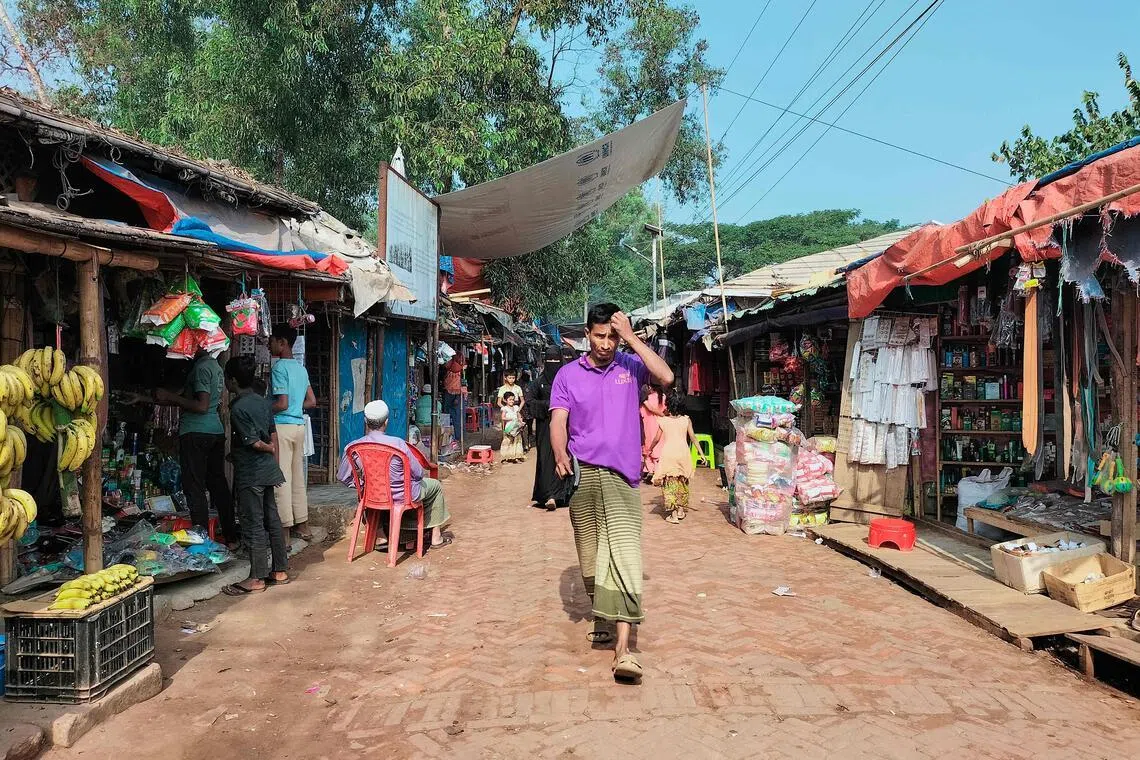
The UN's top court, the International Court of Justice (ICJ), began critical public hearings today in The Gambia's landmark genocide case against Myanmar. The proceedings address Myanmar's alleged atrocities against the Rohingya Muslim minority, marking a pivotal moment for international justice.
ICJ opens merits hearings in Rohingya genocide case against Myanmar.
The Gambia initiated the case in 2019, accusing Myanmar of genocide.
Hearings will examine evidence of alleged 2017 military crackdown atrocities.
Myanmar denies genocide allegations despite UN findings of 'genocidal acts'.
The outcome could set precedents for international law and other genocide cases.
Rohingya survivors hope for justice after years of persecution and displacement.
The International Court of Justice (ICJ), the United Nations' principal judicial organ, commenced crucial public hearings today, January 12, 2026, in the landmark genocide case brought by The Gambia against Myanmar. This marks a significant phase as the court moves to hear the merits of the allegations, a process that has garnered global attention.
Filed in 2019, the case accuses Myanmar of violating the 1948 Convention on the Prevention and Punishment of the Crime of Genocide through its brutal 2017 military crackdown on the Rohingya Muslim minority in Rakhine State. That offensive led to the forced displacement of over 700,000 Rohingya into neighboring Bangladesh, with survivors reporting widespread killings, mass rape, and arson. A UN fact-finding mission previously concluded that Myanmar's military operations included "genocidal acts." Myanmar has consistently denied these accusations, asserting its actions were legitimate counter-terrorism operations.
These three-week hearings will delve into the substance of the dispute, with both The Gambia and Myanmar presenting oral arguments and potentially rare witness testimonies from Rohingya victims. The ICJ had previously ordered provisional measures in January 2020, mandating Myanmar to prevent genocidal acts and preserve evidence, though human rights groups report continued abuses. The outcome of this case is expected to have profound implications, setting critical precedents for defining and proving genocide in international law, and potentially influencing other ongoing ICJ cases, such as South Africa's genocide claim against Israel. Rohingya refugees, enduring years of persecution, view these proceedings as a renewed hope for justice and accountability.
Read the full story on Quick Digest