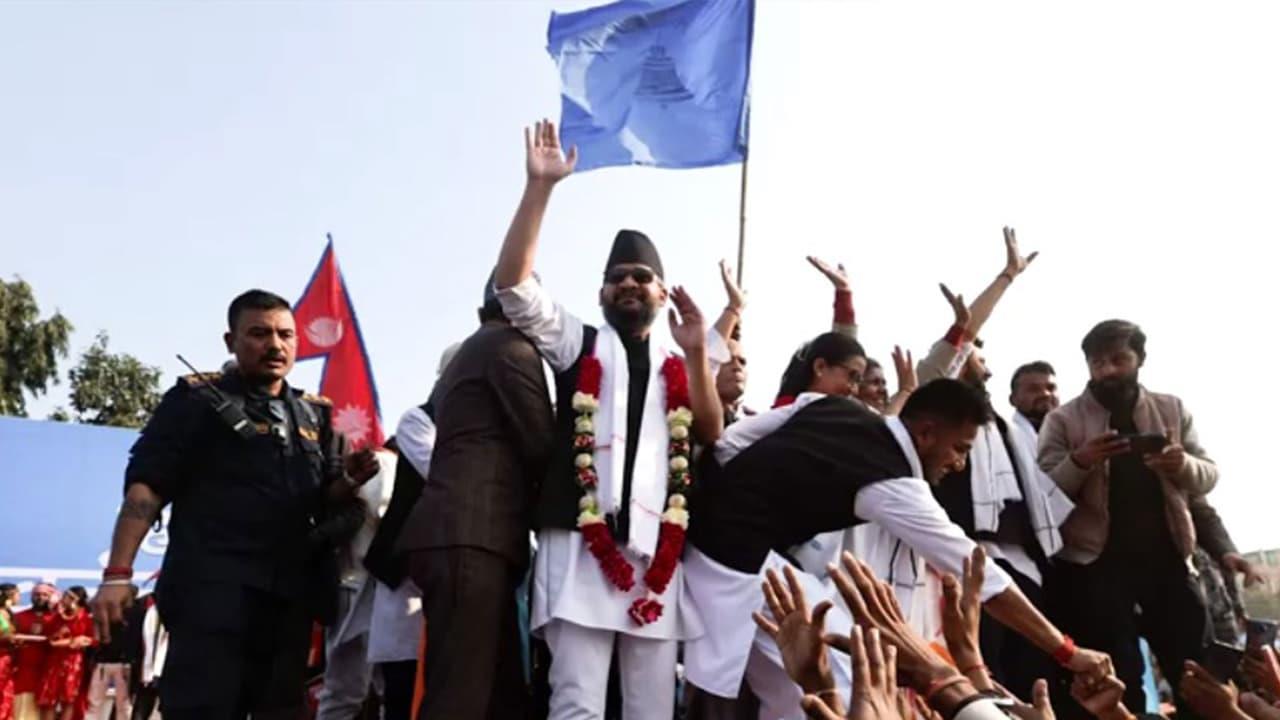
Balen Shah: Rapper-Turned-Politician Unseats Ex-PM Oli in Nepal Election
Rapper-turned-politician Balendra Shah has secured a commanding victory over former Prime Minister KP Sharma Oli in Nepal's 2026 general election, contesting from the Jhapa-5 constituency. This triumph, following his 2022 mayoral win, signifies a major generational shift and anti-establishment sentiment in Nepali politics, with his Rastriya Swatantra Party making significant gains nationally.
Key Highlights
- Balen Shah, former Kathmandu Mayor, won parliamentary seat in Jhapa-5.
- He defeated former Prime Minister KP Sharma Oli in his stronghold.
- Shah's RSP is performing strongly in Nepal's 2026 general elections.
- This marks a significant generational shift in Nepali politics.
- His victory reflects public discontent with traditional parties.
- India is closely monitoring the Nepal election outcomes.
The recent 2026 general elections in Nepal have seen a dramatic shift in the political landscape, with rapper-turned-politician Balendra Shah, popularly known as Balen, emerging as a formidable force. The Hindustan Times article accurately highlights his significant victory over former Prime Minister K.P. Sharma Oli in the latter's long-held constituency of Jhapa-5. This win is a pivotal moment, marking a strong challenge to Nepal's entrenched political establishment.
Balen Shah first rose to prominence in May 2022 when he successfully contested as an independent candidate for the mayoral election of Kathmandu, the nation's capital. He secured a resounding victory, defeating candidates from traditional major parties like the Nepali Congress and CPN (UML), including former mayor Keshav Sthapit. His campaign as mayor focused on urban reform, transparency, and improved municipal governance, addressing issues such as waste management and traffic regulation.
Following widespread youth-led 'Gen Z' protests in September 2025 that led to the resignation of then-Prime Minister KP Sharma Oli's government, Nepal prepared for snap parliamentary elections on March 5, 2026. In a bold move, Balen Shah resigned from his mayoral post in January 2026, three and a half years into his five-year term, to contest the national elections. He joined the Rastriya Swatantra Party (RSP), a centrist party formed less than four years ago, which had also performed surprisingly well in the 2022 general elections.
Shah chose to challenge four-time Prime Minister K.P. Sharma Oli in his traditional stronghold of Jhapa-5, a constituency long considered impenetrable for opposition candidates. The election results, as of March 7, 2026, indicated an insurmountable lead for Balen Shah over Oli in Jhapa-5, with some reports confirming his victory. For instance, Election Commission data showed Shah securing more than 55,500 votes against Oli's 15,409 with over 80% ballots counted, putting the result beyond doubt. This outcome is seen as one of the most significant electoral setbacks for Oli and a testament to the changing political dynamics in Nepal.
The Rastriya Swatantra Party, under Balen Shah's leadership and prime ministerial candidacy, has made impressive gains across the country in the 2026 general elections. Early results showed the RSP leading in numerous constituencies and securing a significant number of seats, breaking the long-standing dominance of traditional parties like the Nepali Congress and CPN (UML). The party's success is largely attributed to a public mood of rejection towards established political figures and a yearning for new, corruption-free governance, especially among the youth.
Balen Shah, a 35-year-old structural engineer and former hip-hop artist, has effectively become a symbol of youth aspirations and anti-corruption sentiment. His campaign, rooted in themes he previously explored in his rap music, resonated deeply with a population tired of political stagnation and elite-driven governance. His victory and the RSP's strong performance signal a potential generational shift in Nepali politics, with many anticipating him to become Nepal's youngest Prime Minister.
India has been closely observing the Nepalese elections. Given the complex historical and geopolitical ties between the two nations, New Delhi hopes for a stable government in Nepal to continue their developmental partnership. The outcome, particularly the rise of new political forces, is expected to influence future bilateral relations.
In conclusion, the Hindustan Times article accurately reports on the ongoing and significant development in Nepali politics, specifically Balen Shah's victory over former PM K.P. Sharma Oli in the 2026 parliamentary elections. This event underscores a broader trend of public dissatisfaction with traditional politicians and a clear mandate for change, spearheaded by a new generation of leaders.
Frequently Asked Questions
Who is Balen Shah?
Balen Shah is a 35-year-old Nepali rapper, structural engineer, and politician. He first gained widespread recognition by winning the Kathmandu mayoral election as an independent candidate in 2022. He subsequently resigned to contest the 2026 general elections and is now the prime ministerial candidate for the Rastriya Swatantra Party (RSP).
Which former Prime Minister did Balen Shah unseat?
Balen Shah unseated former Prime Minister K.P. Sharma Oli by defeating him in the Jhapa-5 constituency during the 2026 Nepalese general elections. Oli is a four-time Prime Minister and a prominent leader of the Communist Party of Nepal (Unified Marxist–Leninist).
What is the significance of this election result for Nepal?
This election result signifies a major generational shift in Nepali politics and reflects widespread public discontent with traditional political parties and a demand for anti-corruption governance. Balen Shah's victory, along with the strong performance of his Rastriya Swatantra Party, indicates a public mandate for new leadership and systemic change.
What is the Rastriya Swatantra Party (RSP)?
The Rastriya Swatantra Party (RSP) is a centrist political party in Nepal, formed less than four years ago. It has emerged as a significant force in the 2026 general elections, challenging the dominance of older, established parties, with Balen Shah as its prime ministerial candidate.
How is India viewing the Nepalese election results?
India is closely monitoring the Nepalese election results. Given the complex bilateral relationship and shared developmental goals, India hopes for a stable government in Nepal to ensure continued cooperation. The rise of new political figures like Balen Shah is of particular interest as it could influence future diplomatic ties.