Kerala on High Alert as Kozhikode Man Shows Preliminary Nipah Positive
Kerala has initiated a high alert following a preliminary positive Nipah virus test in a 43-year-old man from Kozhikode. Health authorities are undertaking extensive contact tracing and implementing stringent precautionary measures while awaiting confirmation from the National Institute of Virology.
Key Highlights
- 43-year-old man from Kozhikode tests preliminary positive for Nipah.
- Kerala health department declares high alert, intensifies surveillance.
- Patient is on ventilator support at Kozhikode Medical College Hospital.
- Contact tracing of extensive contacts initiated, including hospital staff.
- NIV Pune confirmation awaited; results expected shortly.
- Suspected infection source: cleaning a rented godown in Feroke.
Kerala has once again been gripped by a Nipah virus scare after a 43-year-old man from Feroke in the Kozhikode district tested preliminary positive for the deadly infection. The news, reported by multiple credible Indian news outlets including The Hindu, India Today, NDTV, and TheHealthSite.com, has prompted the state's health authorities to issue a high alert and activate a comprehensive response protocol to prevent a potential outbreak.
The patient, identified as a businessman, is currently admitted to the Government Medical College Hospital (MCH) in Kozhikode and is on ventilator support, indicating the severe nature of his condition. Officials have dispatched samples to the National Institute of Virology (NIV) in Pune for definitive confirmation, with results anticipated shortly. Until then, all precautionary measures are being strictly enforced based on the preliminary positive result and the patient's symptoms, which include fever that subsided and then returned, leading to hospitalisation and neurological symptoms.
One of the most critical aspects of the current response is the immediate and extensive contact tracing efforts. The patient is reported to have come into contact with a large number of people before being identified as a suspected Nipah case. This includes visits to the outpatient section of a private hospital and undergoing various diagnostic tests, such as MRI and echocardiography. As a precautionary measure, all health workers and individuals who may have been exposed to the patient have been asked to enter quarantine and are under close surveillance. A detailed route map of the patient's movements is being prepared to identify all potential contacts, a task complicated by the extensive nature of his interactions.
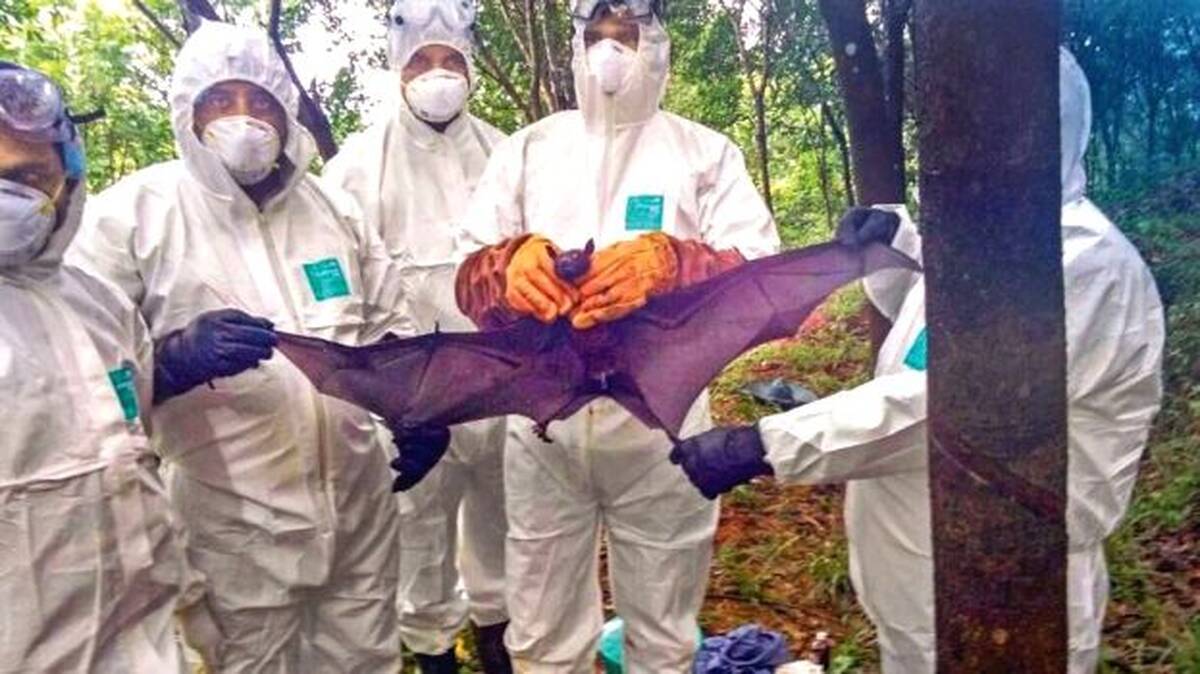
The probable source of infection is currently under investigation, with authorities suspecting that the man may have contracted the virus while cleaning a recently rented godown in Feroke. Fruit bats are the natural reservoir for the Nipah virus, and outbreaks often coincide with their fruiting seasons and increased activity, leading to potential 'spillover' infections from animals to humans through contaminated fruits or secretions.
Kerala has a history of Nipah outbreaks, having witnessed four previous occurrences between 2018 and 2023, primarily concentrated in the Kozhikode district. These earlier outbreaks collectively resulted in 31 cases and 24 deaths, highlighting the high fatality rate of the virus. The state has since developed a robust surveillance and response system, which is now being fully activated to manage the current situation. Earlier this year, Kerala had already issued a seasonal Nipah virus alert from April to September, based on historical outbreak patterns, underscoring the ongoing vigilance required.
The Nipah virus (NiV) is a zoonotic pathogen, meaning it can be transmitted from animals (primarily fruit bats, also known as flying foxes) to humans. It can also spread through direct contact with infected animals like pigs or through close human-to-human contact, particularly via bodily fluids such as saliva and respiratory secretions. Symptoms typically manifest within 5-14 days of exposure, though the incubation period can extend up to 21 days. Early symptoms often mimic the flu, including fever, headache, muscle pain, sore throat, and vomiting. However, the illness can rapidly progress to severe neurological symptoms like drowsiness, confusion, acute respiratory distress, seizures, and fatal brain swelling (encephalitis). The World Health Organization (WHO) classifies Nipah as a global health priority due to its high case fatality rate, which can range from 40% to 75%. Crucially, there is currently no approved vaccine or specific antiviral treatment for Nipah virus infection; treatment remains supportive, focusing on managing symptoms and providing intensive care.
Kerala's Health Minister, K Muraleedharan, has assured the public that while vigilance is paramount, there is no need for widespread panic at this stage. He emphasized that all necessary arrangements have been made at Kozhikode Medical College to handle the situation, including the availability of medicines. Public health advisories are being reinforced, urging people to avoid consuming raw date palm sap, thoroughly wash fruits, avoid contact with bats and sick animals, and maintain strict hand hygiene. If anyone experiences symptoms such as fever with headache and confusion, especially if they have been in contact with a suspected case or travelled to an affected area, immediate medical attention is advised. The current situation underscores the continuous public health challenge posed by Nipah in regions like Kerala and the importance of rapid, coordinated responses.
Frequently Asked Questions
What is the Nipah virus and where was it first identified?
The Nipah virus (NiV) is a zoonotic virus that can be transmitted from animals to humans, and also between humans. It was first identified in 1999 during an outbreak among pig farmers in Malaysia, in a village called Sungai Nipah, from which it gets its name.
How does Nipah virus spread?
Nipah virus primarily spreads from infected fruit bats (flying foxes) to humans, often through contaminated fruits or raw date palm sap. It can also spread from other infected animals like pigs to humans, and through close contact with the bodily fluids of an infected person.
What are the common symptoms of Nipah virus infection?
Initial symptoms of Nipah virus infection are often flu-like, including fever, severe headache, muscle pain, sore throat, vomiting, and fatigue. As the disease progresses, it can lead to severe neurological symptoms like dizziness, confusion, disorientation, seizures, acute respiratory distress, and fatal encephalitis (brain inflammation).
Is there a vaccine or specific treatment for Nipah virus?
Currently, there is no approved vaccine or specific antiviral treatment for Nipah virus infection. Treatment is primarily supportive, focusing on managing symptoms and providing intensive medical care to the patient.
What precautions can individuals take to prevent Nipah infection?
To prevent Nipah infection, individuals should avoid consuming raw date palm sap, thoroughly wash fruits before eating, and avoid fruits with bite marks. It's also crucial to avoid contact with bats and sick animals, practice good hand hygiene by washing hands frequently with soap and water, and avoid close contact with anyone suspected or confirmed to have Nipah.