Iran Protests: Shah's Legacy, Reza Pahlavi, and Public Memory | Quick Digest
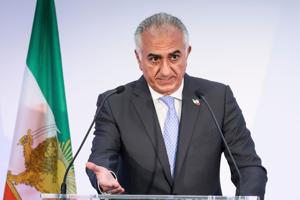
Amidst ongoing protests in Iran, the 'return of the Shah' sentiment reflects complex historical memory and dissatisfaction with the current regime. Reza Pahlavi, the exiled son of the last Shah, has emerged as a symbolic figure, though his influence and popular support remain debated.
Iranian protests show growing nostalgia for the pre-1979 Shah era.
Exiled Crown Prince Reza Pahlavi actively supports the protest movement.
Sentiments reflect a rejection of current clerical rule, not always monarchist desire.
Concerns exist about Pahlavi being perceived as a foreign-backed figure.
Youth, lacking memory of Shah's rule, are drawn to images of a different Iran.
Shah's era also remembered for authoritarianism and human rights abuses.
Amidst recent widespread protests across Iran, a notable phenomenon is the resurgence of symbols and sentiments reminiscent of the pre-1979 Pahlavi monarchy, with chants of 'victory to the Shah' and 'Pahlavi will return' reported in various locations. This trend, as discussed in 'Why 'return of the Shah' is about history and memory in Iran' by The Indian Express, is primarily driven by historical memory and a deep dissatisfaction with the current Islamic Republic, rather than a widespread, literal desire for monarchical restoration. The article accurately portrays this as a complex interplay of nostalgia, a yearning for an alternative, and the absence of a unified internal opposition.
Reza Pahlavi, the 65-year-old exiled son of Mohammad Reza Pahlavi, Iran's last Shah, has become a prominent figure in the opposition, advocating for a democratic, secular future for Iran and calling for a referendum on the country's governance. While he actively encourages protests from his exile in the United States, experts caution that his actual support on the ground may be amplified by media coverage and digital influence campaigns, including one reportedly funded by the Israeli government. Many younger Iranians, who have no direct memory of the Shah's rule, may romanticize the pre-revolution era based on images of greater social liberties and economic prosperity, seeing it as a stark contrast to the current economic hardships and repressive clerical rule.
However, the Shah's reign was also marked by authoritarianism, corruption, and the actions of the SAVAK secret police, which ultimately contributed to the 1979 revolution. Consequently, some protesters express a desire for neither the current clerical rule nor a return to monarchy, with slogans like 'Neither Shah nor clergy.' The article's nuanced approach to discussing the 'return of the Shah' as a matter of cultural memory and a symbol of rejection against the current regime is well-grounded, acknowledging the complexities of Iranian political sentiment and the realistic limitations of a monarchist comeback.
Read the full story on Quick Digest