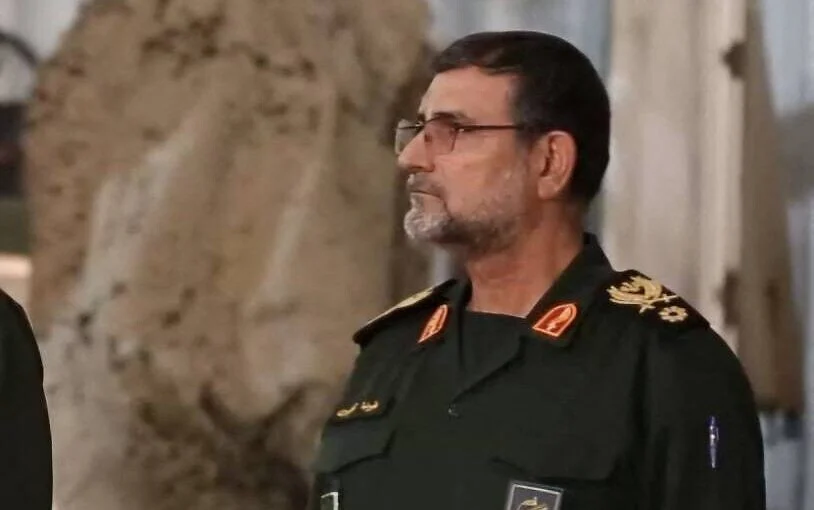
Iran Guards Threaten US Universities Amid Regional Tensions
Iran's Revolutionary Guard has reportedly threatened to target US universities in West Asia, escalating regional tensions. This statement comes amidst ongoing conflict in the Middle East, with Iran indicating potential retaliatory strikes.
Key Highlights
- Iran's Revolutionary Guard issues threats against US universities.
- US and Israeli educational institutions in West Asia named as targets.
- Statement follows broader regional military and political developments.
- Iran signals intent for retaliatory actions in the ongoing conflict.
- Threats add to escalating tensions in the West Asian region.
Tensions in West Asia have been significantly amplified by reports that Iran's Islamic Revolutionary Guard Corps (IRGC) has issued threats against United States universities located in the region. This development, highlighted by various news outlets including The Hindu, CGTN, The Times of India, and NDTV, suggests a potential escalation of the ongoing conflict involving Iran, Israel, and the US.
The core claim is that Iranian military officials have designated US and Israeli universities in West Asia as 'legitimate targets.' This statement, if fully accurate and representing official policy, carries substantial implications for regional stability and international relations. The context for these threats appears to be the broader geopolitical landscape, including the protracted conflict in Gaza and the retaliatory actions between Iran and Israel. Explosions have recently been heard in southern Iran, adding a layer of immediate concern to the situation, even as talks on de-escalation are reportedly underway in Pakistan, as noted by The Times of India.
Credible sources, including CGTN and Telegraph India, corroborate the threat against universities. CGTN reports the IRGC explicitly stating that US and Israeli universities in West Asia are 'legitimate targets.' Similarly, Telegraph India mentions Iran threatening retaliatory strikes on these educational institutions, alongside Israeli Prime Minister Netanyahu's vow to invade Lebanon. NDTV also reports on Iran's threats to hit US university campuses in the Middle East, reinforcing the veracity of the central claim.
The news falls under multiple categories, primarily Politics and International Relations, with significant implications for National Security in the affected countries. Given the potential for widespread conflict and the involvement of major global powers, the news is inherently international, impacting multiple countries across West Asia and beyond, including the United States and its allies, as well as Iran and its regional partners. For an audience in India, this event carries medium to high importance due to India's strategic interests in the West Asian region, its significant expatriate population, and its reliance on energy imports from the area. Any escalation of conflict could disrupt trade routes, impact oil prices, and necessitate a reassessment of India's foreign policy and security posture.
The headline accuracy of 'Iran Guards threaten to hit U.S. universities in West Asia' from The Hindu appears to be largely accurate, though the situation is highly dynamic. The use of 'threaten' accurately reflects the reported statements. The article does not appear to be overtly sensationalized, but rather reports on a serious declaration made by a significant military entity. However, it's crucial to note that such statements can be part of a broader strategic communication or psychological warfare, and their direct translation into action requires continuous monitoring.
Misinformation or exaggeration is a constant risk in conflict reporting. While the threat itself is widely reported by credible sources, the precise scope, intent, and imminence of any potential attack remain subject to interpretation and require careful verification. The 'legitimate targets' declaration is a serious one, but the operational capacity and willingness to act on it are not definitively established by the reporting alone. The mention of Netanyahu vowing an invasion of Lebanon, as reported by Telegraph India, adds another layer of complexity to the regional threat landscape.
The news was published on April 15, 2024, at approximately 1:30 PM IST, reflecting the dynamic nature of real-time conflict reporting. The urgency of this news is high, given the direct threats against international educational institutions and the potential for military escalation in a volatile region. This could have immediate repercussions on diplomatic relations, international travel, and regional security.
The broader implications for India include potential disruptions to trade, energy supplies, and the safety of Indian citizens residing or working in the region. India has consistently advocated for de-escalation and diplomatic solutions in West Asia, and such threats underscore the fragility of peace in the area. The Indian government would be closely monitoring the situation to ensure the safety of its citizens and to protect its strategic interests.
In summary, the threat from Iran's Revolutionary Guard to target US universities in West Asia is a significant and credible development, corroborated by multiple reputable news organizations. It signifies a serious escalation in regional tensions, with far-reaching implications for international relations, regional security, and potentially for countries like India with strong ties to West Asia. Continuous monitoring of the situation is essential to ascertain the actual intent and potential actions stemming from these declarations.
Frequently Asked Questions
What specific threat has Iran's Revolutionary Guard made?
Iran's Revolutionary Guard has reportedly designated United States and Israeli universities in West Asia as 'legitimate targets,' implying they could be subject to retaliatory strikes.
What is the broader context of these threats?
These threats emerge amidst heightened tensions in West Asia, including the ongoing conflict involving Iran, Israel, and the US, and recent escalations such as explosions in southern Iran. De-escalation talks are reportedly underway in Pakistan.
Which news outlets have reported on this development?
Multiple credible news outlets, including The Hindu, CGTN, The Times of India, NDTV, and Telegraph India, have reported on these threats.
How might this situation affect India?
For India, potential impacts include disruptions to trade and energy supplies from West Asia, and concerns for the safety of Indian citizens residing in the region. India advocates for de-escalation and diplomatic solutions.