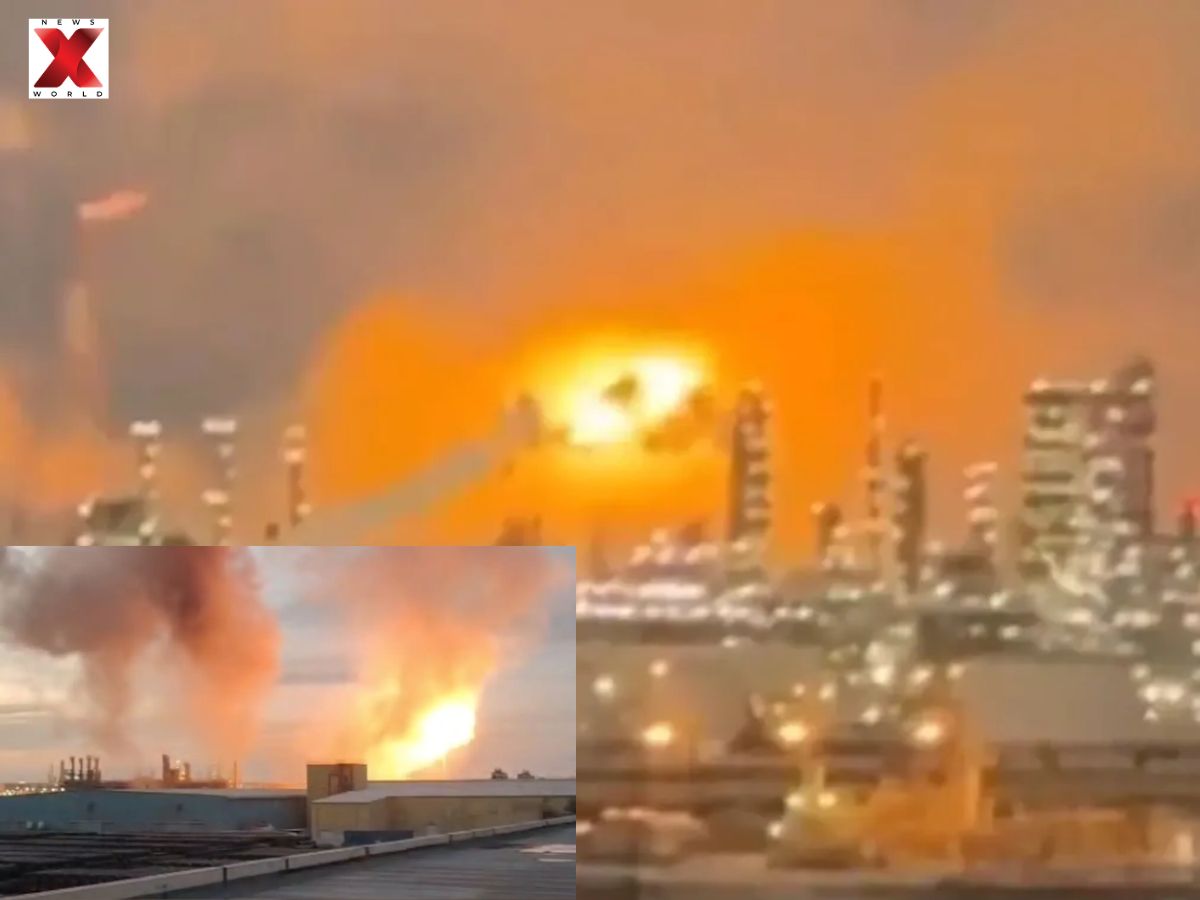
US-Israel-Iran War: Pezeshkian Pledges Defense Amid Escalating Conflict
An intense conflict between the United States, Israel, and Iran has entered its seventh day, with widespread airstrikes across Iran and Lebanon, and retaliatory actions by Iran. Iranian President Masoud Pezeshkian affirmed commitment to peace but vowed to defend national dignity, while international mediation efforts are reportedly underway amidst escalating global tensions.
Key Highlights
- US-Israel and Iran are in an active, escalating conflict now in its seventh day.
- Israel has launched widespread strikes on Tehran and Beirut, causing mass displacement.
- Iranian President Masoud Pezeshkian asserts commitment to peace while defending sovereignty.
- Supreme Leader Ayatollah Ali Khamenei was assassinated around March 1, 2026.
- International mediation efforts have begun to de-escalate the conflict.
- The conflict has triggered global concerns, impacting oil markets and shipping.
An active and rapidly escalating conflict involving the United States, Israel, and Iran has gripped the Middle East, reaching its seventh day as of Friday, March 6, 2026. This period has been marked by intense military actions, significant casualties, and profound regional instability, drawing global attention and concern.
The conflict intensified following the assassination of Iran's Supreme Leader, Ayatollah Ali Khamenei, around March 1, 2026, reportedly in US-Israeli strikes. This pivotal event significantly heightened tensions, leading to a direct and widespread confrontation. Israeli forces have launched "broad-scale waves of strikes" on key Iranian cities, including the capital Tehran, and have also targeted Beirut, the capital of Lebanon. These strikes have been described by witnesses as particularly intense, causing widespread panic and leading to mass evacuations, especially in Beirut's southern suburbs where hundreds of thousands were ordered to flee.
In response to these assaults, Iran has launched retaliatory missile and drone attacks, targeting Israel and other Gulf states that host US forces, including Kuwait, Qatar, Saudi Arabia, and Bahrain. The Iranian military's actions are described as a response to perceived aggression, with reports indicating the use of advanced ballistic missiles like the Khorramshahr-4. Casualties have been mounting on both sides, with the Iranian Red Crescent Society reporting over 1,332 deaths in Iran since the conflict began. In Israel, at least 10 people have been killed by Iranian missile strikes that penetrated air defense systems.
Masoud Pezeshkian, who was elected as the ninth President of Iran in July 2024, is currently leading the country, also serving on an interim leadership council following Khamenei's death. President Pezeshkian has publicly addressed the escalating crisis, stating Iran's commitment to "lasting peace in the region" but unequivocally declaring "no hesitation in defending our nation's dignity and sovereignty." He has also indicated that "some countries" have initiated mediation efforts to de-escalate the conflict, emphasizing that such talks should address those who ignited the conflict.
The United States has affirmed its intention to intensify its military campaign against Iran. US Defence Secretary Pete Hegseth warned of a dramatic surge in American "firepower" over Iran, and President Donald Trump stated that US and Israeli forces were "totally demolishing" Iran's military capabilities, claiming significant damage to its air force and navy. Trump also indicated a desire for a leadership change in Iran and urged Iranian Kurdish forces in Iraq to attack Iran. However, some US officials reportedly remain skeptical about the prospect of immediate regime change.
The conflict's repercussions extend beyond direct military engagements. Regional allies and international bodies are deeply concerned about the widening scope of the crisis. Lebanon's Iran-backed Hezbollah militia has warned Israeli residents near the border to evacuate, and cross-border fighting has intensified. Gulf states have reported intercepting Iranian missiles and drones, with Qatar warning that continued conflict could force all Gulf energy producers to halt exports, potentially driving oil prices to $150 a barrel and causing global energy disruptions. India, a major importer of LPG, has already invoked emergency powers to boost domestic production amidst fears of supply shortages.
The international community is actively seeking a resolution. Mediation talks have been reportedly initiated by various countries. The United Nations has called for quick investigations into incidents like a deadly strike on a school in Iran, which Tehran blames on the US and Israel. Several European nations, including Britain, France, and Spain, have expressed concerns and some have agreed to provide military support to protect allies' interests, while Italy has criticized the US-Israel attacks as violating international law. NATO has also increased its defense posture, reflecting the global impact of the escalating conflict.
In summary, the Middle East is engulfed in a severe and expanding conflict between the US-Israel alliance and Iran, marked by heavy airstrikes, retaliatory attacks, and significant human and economic costs. The killing of Iran's Supreme Leader and the subsequent ascent of an interim leadership have added layers of complexity to an already volatile situation, prompting calls for de-escalation and mediation from numerous international actors.
Frequently Asked Questions
What is the current status of the conflict between the US, Israel, and Iran?
As of March 6, 2026, the conflict has intensified, entering its seventh day with widespread US-Israeli airstrikes on Iran and Lebanon, and retaliatory missile and drone attacks by Iran against Israel and Gulf states.
Who is the current President of Iran and what is his stance on the war?
Masoud Pezeshkian is the current President of Iran, having been elected in 2024. He has affirmed Iran's commitment to lasting peace but has also stated a clear resolve to defend the nation's dignity and sovereignty.
What significant event recently escalated the conflict?
The assassination of Iran's Supreme Leader, Ayatollah Ali Khamenei, around March 1, 2026, reportedly in US-Israeli strikes, is a major event that significantly escalated the ongoing hostilities.
Are there any international efforts to de-escalate the situation?
Yes, Iranian President Masoud Pezeshkian has confirmed that 'some countries' have initiated mediation efforts to resolve the conflict.
What are the global implications of this conflict?
The conflict has significant global implications, including disruptions to oil markets and shipping routes, fears of energy supply shortages, increased global tensions, and the involvement of numerous international actors and alliances.