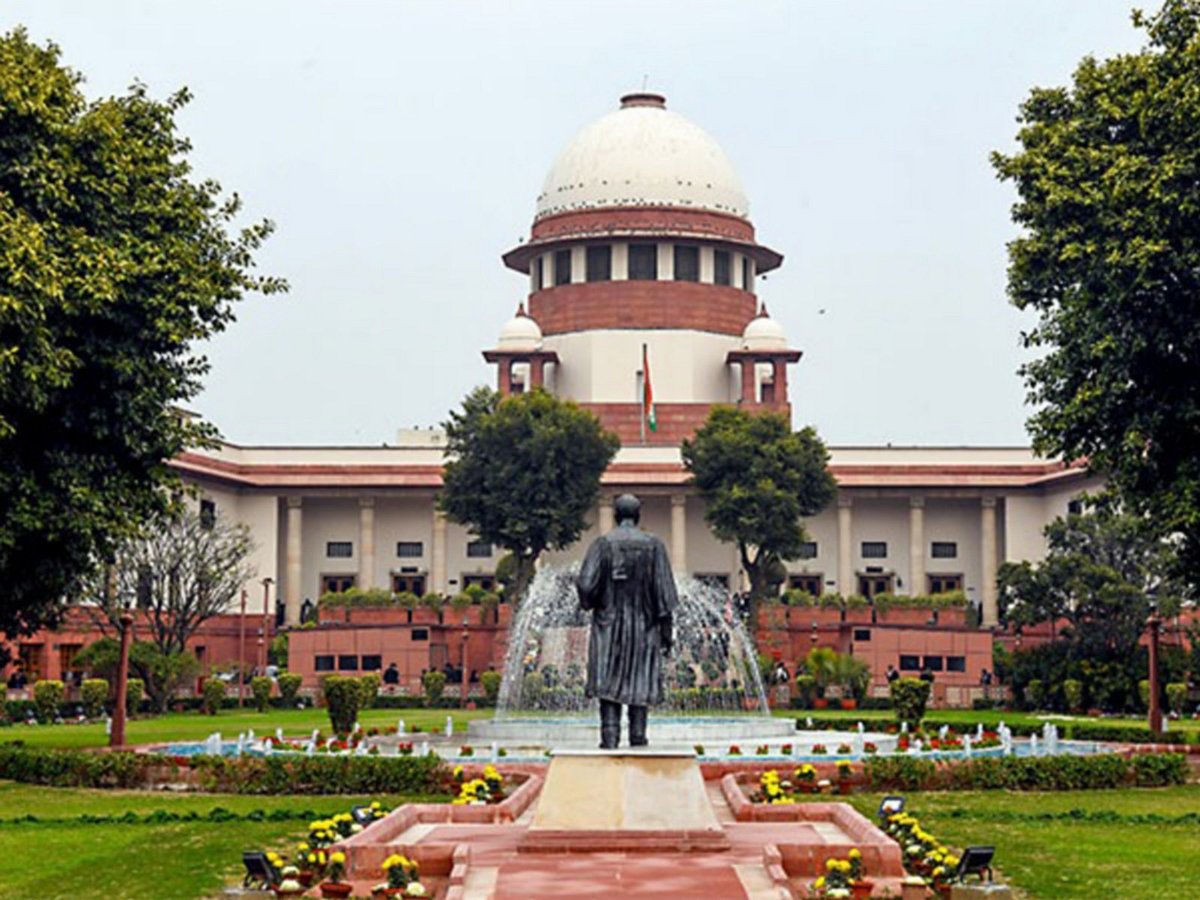
SC Stays Pawan Khera's Telangana HC Anticipatory Bail in Passport Row
The Supreme Court has stayed the transit anticipatory bail granted by the Telangana High Court to Congress leader Pawan Khera in a case related to allegations against Assam Chief Minister Himanta Biswa Sarma's wife. Khera faces charges over claims of multiple foreign passports and undisclosed overseas assets. This ruling necessitates Khera to seek relief from a court in Assam.
Key Highlights
- SC stayed Telangana HC's transit anticipatory bail for Pawan Khera.
- Khera faces FIR for allegations against Assam CM's wife, Riniki Bhuyan Sarma.
- Allegations concern multiple foreign passports and undisclosed assets.
- Assam government challenged Telangana HC's order as 'forum shopping'.
- SC issued notice to Khera, posting the matter for future hearing.
- Khera can still apply for anticipatory bail in appropriate Assam court.
In a significant development in Indian politics and law, the Supreme Court of India, on April 15, 2026, stayed an order passed by the Telangana High Court that had granted transit anticipatory bail to Congress leader Pawan Khera. This decision comes in connection with an FIR registered by the Assam Police against Khera.
The controversy began when Pawan Khera, a prominent spokesperson for the Indian National Congress, leveled serious allegations against Riniki Bhuyan Sarma, the wife of Assam Chief Minister Himanta Biswa Sarma. During a press conference held around April 5-6, 2026, Khera claimed that Riniki Bhuyan Sarma possessed multiple foreign passports, specifically mentioning those from the UAE, Antigua-Barbuda, and Egypt. He further alleged that she held undisclosed overseas assets and business interests, including a company in Wyoming, USA, and properties in Dubai, which he contended were not declared in the Chief Minister's election affidavits.
These accusations sparked a fierce reaction from Chief Minister Himanta Biswa Sarma, who vehemently denied the claims. Both he and Riniki Bhuyan Sarma labeled Khera's statements as 'malicious, fabricated, and politically motivated lies,' asserting that they were aimed at influencing the upcoming assembly elections in Assam. The Chief Minister also stated his intention to file both criminal and civil defamation cases against Khera, emphasizing that the Congress leader would be held legally accountable for his 'reckless and baseless statements.'
Following these allegations, Riniki Bhuyan Sarma filed a complaint with the Guwahati Crime Branch Police Station. An FIR was registered against Pawan Khera under various sections, including those from the Bharatiya Nyaya Sanhita (BNS) pertaining to making false statements in connection with an election and cheating, among others. The Assam Police initiated an investigation and sought Khera's arrest.
Fearing arrest, Khera sought legal recourse. He approached the Telangana High Court for anticipatory bail, arguing that his family residence is in Hyderabad. On April 10, 2026, the Telangana High Court granted him one-week transit anticipatory bail. This interim relief came with certain conditions, including the requirement for Khera to execute a personal bond for ₹1 lakh with two sureties of the like sum, cooperate with the investigation, make himself available for interrogation, and not leave the country without prior court permission. The order also stipulated that Khera would have one week to approach the competent jurisdictional court in Assam to seek regular anticipatory bail.
The Assam government, however, swiftly challenged the Telangana High Court's order in the Supreme Court. The Solicitor General, representing the Assam government, argued before the apex court that Khera's action of moving the Telangana High Court for bail in a case registered in Assam constituted a 'complete abuse of process' and a clear instance of 'forum choosing.' The Assam government's plea contended that by furnishing potentially 'forged documents,' Khera had taken advantage of the Telangana High Court's jurisdiction to obtain bail.
On April 15, 2026, a Supreme Court bench comprising Justices J K Maheshwari and A S Chandurkar heard the plea. The apex court, acknowledging the arguments put forth by the Assam government, decided to stay the operation of the Telangana High Court's order granting transit anticipatory bail to Pawan Khera. The Supreme Court issued notice to Khera and other respondents, seeking their responses on the Assam government's challenge, and posted the matter for further hearing after three weeks. Crucially, while staying the transit bail, the Supreme Court clarified that its order would not prevent Khera from applying for anticipatory bail before the appropriate court in Assam, thus leaving open a legal avenue for him to seek protection from arrest in the state where the FIR was registered.
This ongoing legal battle highlights the heightened political tensions, especially concerning allegations made by opposition leaders against ruling party figures and their families, particularly in the run-up to elections. The Supreme Court's intervention underscores the complexities of legal jurisdiction and the process of seeking anticipatory bail across different states in India. The case is being closely watched by political analysts and legal observers alike, given its implications for freedom of speech, political discourse, and legal accountability.
Frequently Asked Questions
Who is Pawan Khera and what were the allegations made by him?
Pawan Khera is a prominent Congress leader and spokesperson. He alleged that Riniki Bhuyan Sarma, the wife of Assam Chief Minister Himanta Biswa Sarma, possessed multiple foreign passports (from UAE, Antigua-Barbuda, and Egypt) and had undisclosed overseas assets and companies in the USA and Dubai, which were not declared in the Chief Minister's election affidavit.
What was the Telangana High Court's order regarding Pawan Khera?
On April 10, 2026, the Telangana High Court granted Pawan Khera one-week transit anticipatory bail. This allowed him a limited period to approach the appropriate jurisdictional court in Assam to seek regular anticipatory bail, as the FIR against him was registered in Assam.
Why did the Supreme Court stay the Telangana High Court's order?
The Assam government challenged the Telangana High Court's order in the Supreme Court. They argued that Khera seeking bail in Telangana for a case registered in Assam was an 'abuse of process' and an instance of 'forum choosing.' The Supreme Court, after hearing these arguments, stayed the Telangana High Court's order on April 15, 2026.
What are the implications of the Supreme Court's decision for Pawan Khera?
The Supreme Court's decision to stay the transit anticipatory bail means that Khera no longer has the temporary protection from arrest granted by the Telangana High Court. He will now need to apply for anticipatory bail directly before a competent court in Assam, where the FIR against him was registered. The SC did clarify that its order would not impede his ability to seek such relief in Assam.
What sections of law were invoked against Pawan Khera?
An FIR was registered against Pawan Khera at the Guwahati Crime Branch Police Station under several sections of the Bharatiya Nyaya Sanhita (BNS), including Section 175 (false statement in connection with an election) and Section 318 (cheating), among others, following a complaint by Riniki Bhuyan Sarma.