Jaishankar Dials Iranian FM Araghchi Amid Escalating Middle East Crisis
India's External Affairs Minister S. Jaishankar held a telephonic conversation with Iranian Foreign Minister Seyed Abbas Araghchi on March 5, 2026, discussing the escalating conflict in the Middle East. The call comes amidst a severe regional crisis following the reported killing of Iran's Supreme Leader Ayatollah Ali Khamenei in a US-Israeli airstrike, prompting Indian calls for de-escalation and concern for Indian nationals in the Gulf.
Key Highlights
- EAM Jaishankar spoke with Iranian FM Abbas Araghchi on March 5, 2026.
- The call addressed the escalating Middle East crisis and West Asia conflict.
- Crisis intensified after Supreme Leader Ayatollah Ali Khamenei's reported death.
- India urged dialogue, diplomacy, and de-escalation of regional tensions.
- India expressed concern for 10 million Indian nationals in the Gulf region.
- The situation threatens India's trade, energy supply chains, and economy.
India's External Affairs Minister S. Jaishankar engaged in a crucial telephonic conversation with Iranian Foreign Minister Seyed Abbas Araghchi on Thursday, March 5, 2026, against the backdrop of an intensely escalating Middle East crisis. This diplomatic outreach underscores India's deep concern over the volatile situation in West Asia, which has significant implications for its strategic and economic interests.
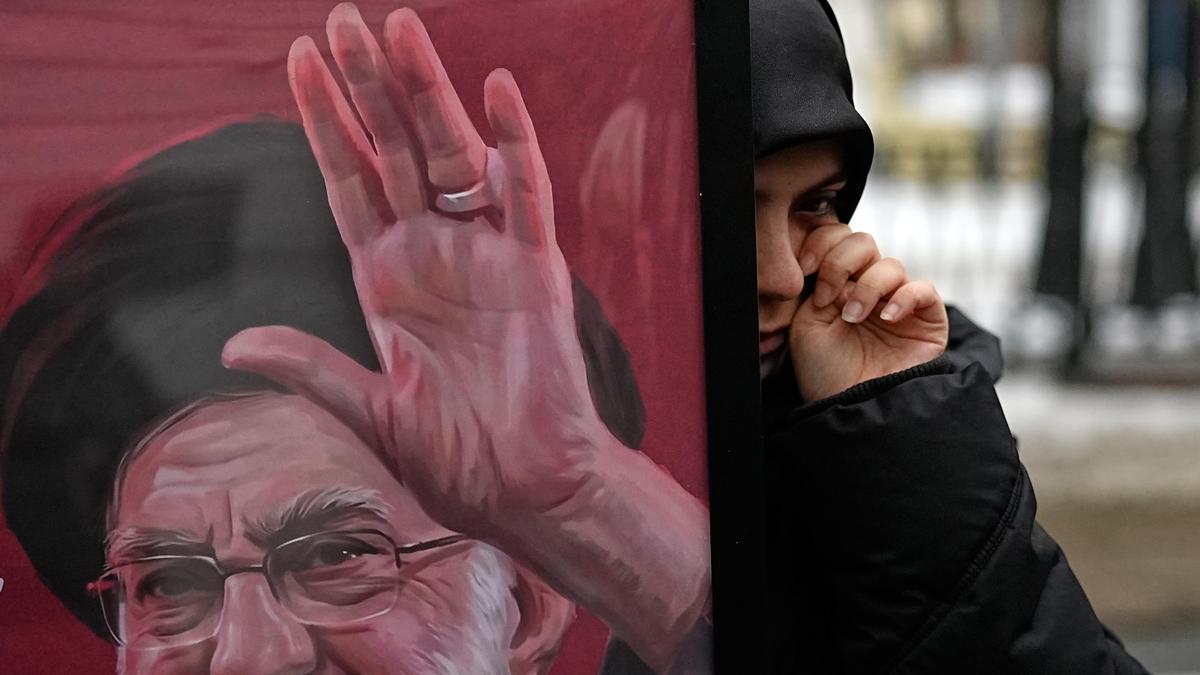
The immediate trigger for the heightened tensions is the reported death of Iran's Supreme Leader, Ayatollah Ali Khamenei, in a joint US-Israeli airstrike on February 28, 2026. This incident has plunged the West Asian region into a state of war, with Iran launching retaliatory military strikes targeting Israeli and American bases across the region, including Qatar, UAE, Kuwait, Bahrain, and Jordan. The gravity of the situation prompted India's Foreign Secretary, Vikram Misri, to visit the Iranian embassy in New Delhi on Thursday to sign a condolence book for the deceased Supreme Leader, a move that occurred just hours before Jaishankar's call with Araghchi.
During their conversation, Minister Jaishankar conveyed India's profound concern regarding the recent developments in Iran and the broader region. He emphasized the critical need to avoid any escalatory steps and advocated for an early return to diplomacy and dialogue to de-escalate tensions. This stance was reiterated in an official statement from India's Ministry of External Affairs (MEA) earlier in the week, urging all sides to exercise maximum restraint and respect the sovereignty and territorial integrity of all states.
India's proactive diplomatic engagement is primarily driven by its significant stakes in the stability of the Gulf region. Approximately 10 million Indian citizens reside and work in West Asia, and their safety and well-being are of paramount importance to the Indian government. Any major disruption or escalation of conflict in the region poses a direct threat to their security. Furthermore, the Middle East is vital for India's energy security, with around 85% of its crude oil needs met through imports, and a substantial portion of these transiting through the Strait of Hormuz. The ongoing conflict has already led to surges in oil and natural gas prices and disruptions to global trade and energy supply chains, with potential "serious consequences" for the Indian economy.
The discussions also likely touched upon the broader implications for international shipping and air cargo routes, which have been severely impacted. The incident of Iranian forces effectively closing the Strait of Hormuz and attacks on QatarEnergy facilities further underscored the economic vulnerability. India has called for the protection of merchant shipping and expressed sorrow over Indian nationals who have reportedly lost their lives or gone missing in such attacks recently.
This telephonic conversation between Jaishankar and Araghchi marks a continuous dialogue between India and Iran, especially during periods of regional instability. The fact that Araghchi is referred to as "Iranian FM" or "Iranian Foreign Minister" in multiple recent reports confirms the accuracy of the term "counterpart" in the headline, as he was appointed to this position in July 2024. The frequency of such high-level interactions highlights India's commitment to maintaining channels of communication with all parties involved in the complex Middle Eastern geopolitical landscape. India's objective remains to promote peace, stability, and the welfare of its diaspora and economic interests in the crucial region. The global community is closely watching the developments, recognizing the potential for widespread repercussions if the conflict is not de-escalated through diplomatic means.
Frequently Asked Questions
What prompted the recent escalation of the Middle East crisis?
The recent escalation in the Middle East was primarily triggered by the reported death of Iran's Supreme Leader Ayatollah Ali Khamenei on February 28, 2026, in a joint US-Israeli airstrike. This event led to immediate retaliatory actions by Iran and increased tensions across West Asia.
Who is Seyed Abbas Araghchi and what is his role?
Seyed Abbas Araghchi is the current Foreign Minister of Iran. He held a telephonic conversation with India's External Affairs Minister S. Jaishankar on March 5, 2026, to discuss the ongoing crisis in the Middle East.
What is India's stance on the escalating conflict?
India has expressed deep concern over the escalating conflict, urging all parties to exercise maximum restraint, avoid further escalation, and return to dialogue and diplomacy. India's primary concerns include the safety of its 10 million nationals in the Gulf region and the potential disruption to its energy supply chains and economy.
How does the Middle East crisis affect India?
The crisis significantly impacts India due to the presence of nearly 10 million Indian citizens working in the Gulf region whose safety is a priority. Additionally, India relies heavily on Middle Eastern countries for its energy needs, with potential disruptions to oil and gas supplies and trade routes, posing serious economic consequences.
When did the conversation between Jaishankar and Araghchi take place?
The telephonic conversation between India's EAM S. Jaishankar and Iranian FM Seyed Abbas Araghchi took place on Thursday, March 5, 2026.