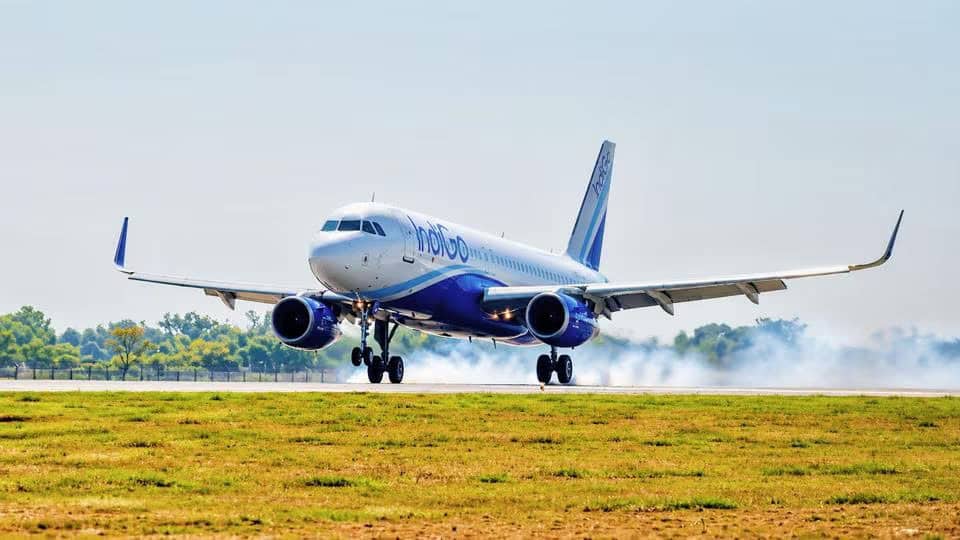
Air India pilot fired after mid-air hydraulic failure and drug test
An Air India flight from Phuket to Delhi experienced a sudden loss of all three hydraulic systems, causing an altitude upset and injuring passengers. The pilot-in-command subsequently tested positive for a psychoactive substance, leading to his termination. The incident is under further investigation.
Key Highlights
- All three hydraulic systems failed simultaneously during flight.
- Pilot-in-command tested positive for psychoactive substances.
- Air India terminated the pilot's employment immediately.
- Passengers and crew sustained injuries due to the altitude upset.
- The investigation into the technical and drug-related aspects is ongoing.
An Air India Airbus A320neo, operating flight AI-2379 from Phuket to Delhi on August 4, 2026, experienced a critical incident involving the near-simultaneous failure of all three hydraulic systems while cruising at 36,000 feet. This technical malfunction triggered an autopilot disengagement, a brief stall warning, and a significant altitude upset, during which the aircraft gained 372 feet and then lost 292 feet from its assigned flight level. The incident resulted in injuries to 24 people on board, including 20 passengers and 4 cabin crew members, with four sustaining serious injuries requiring hospitalization. The cabin also sustained considerable damage, with reports of cracked ceiling panels, dislodged overhead bins, and broken handrails.
In the aftermath of the flight, the Pilot-in-Command (PIC) underwent post-flight medical checks. While a breathalyzer test yielded satisfactory results, a subsequent test for psychoactive substances returned a non-negative result. A confirmatory blood test also confirmed the presence of a psychoactive substance. The co-pilot tested negative in all screenings.
In response to the preliminary findings by the Aircraft Accident Investigation Bureau (AAIB), Air India terminated the employment of the PIC with immediate effect, citing a zero-tolerance policy for violations of safety and regulatory requirements. The AAIB has classified the confirmation of psychoactive substance use as a "serious concern" and has recommended that the Directorate General of Civil Aviation (DGCA) take appropriate actions to prevent the abuse of such substances in aviation.
The preliminary report, released on September 4, 2026, did not establish a direct causal link between the pilot's substance use and the hydraulic failure or the altitude upset. However, the investigation into the technical aspects of the hydraulic system failure and other operational factors is ongoing. Air India has also initiated voluntary drug testing for 100% of its pilots as a measure to reinforce its commitment to safety. The incident has been classified as a "serious incident" by India's civil aviation ministry, and regulatory bodies like Airbus and France's BEA are assisting in the investigation. The final report is expected to provide a more comprehensive understanding of the factors contributing to this serious event. The prompt verification of this news by multiple reputable Indian and international news outlets underscores its accuracy and significance, confirming the core details of the hydraulic failure and the pilot's positive drug test. The date of publication for the primary reports was September 4, 2026.
Frequently Asked Questions
What happened on the Air India flight from Phuket to Delhi?
On August 4, 2026, Air India flight AI-2379 from Phuket to Delhi experienced a simultaneous failure of all three hydraulic systems while at cruising altitude. This led to an autopilot disengagement, a stall warning, and a significant altitude upset, causing injuries to passengers and crew.
Why was the pilot terminated?
The Pilot-in-Command (PIC) of the flight tested positive for a psychoactive substance in post-flight medical tests. Air India terminated his employment immediately due to their zero-tolerance policy on safety and fitness violations.
Did the pilot's drug use cause the hydraulic failure?
The preliminary investigation report has not established a direct link between the pilot's psychoactive substance use and the hydraulic system failure or the altitude upset. The investigation into the technical aspects is ongoing.
Were passengers and crew injured?
Yes, 24 people on board, including 20 passengers and 4 cabin crew members, sustained injuries. Four individuals had serious injuries and required hospitalization.