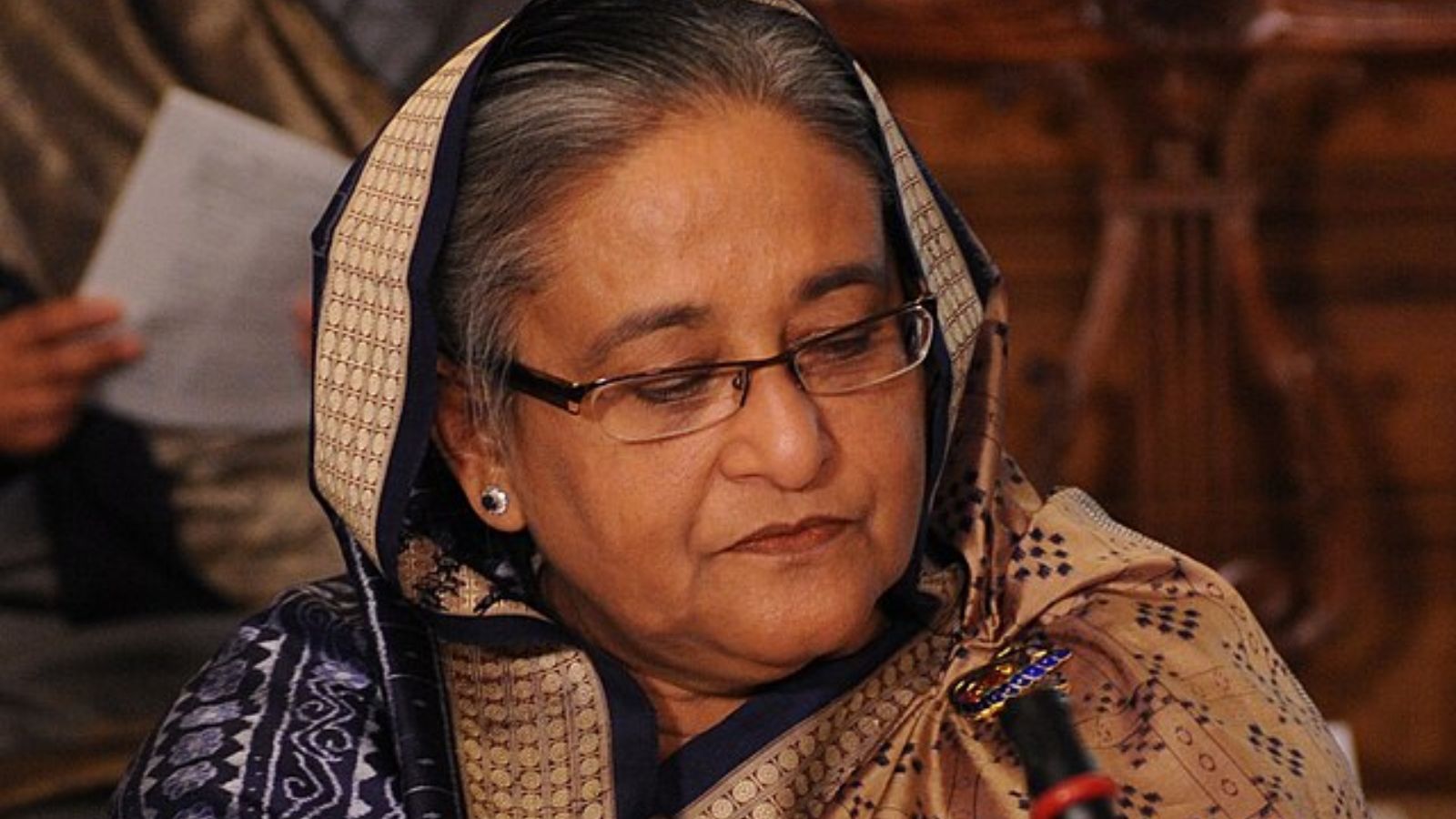
Ex-PM Sheikh Hasina Vows Return to Bangladesh Amid Outrage and Death Sentence
Former Bangladeshi Prime Minister Sheikh Hasina has announced her plan to return to Bangladesh in December 2026 from exile in India, despite facing a death sentence and arrest warrants. Her recent virtual press conference from New Delhi has sparked outrage from the current Bangladesh government, accusing India of affronting its sovereignty.
Key Highlights
- Ousted Ex-PM Sheikh Hasina plans December 2026 return to Bangladesh.
- Hasina faces death sentence for 2024 protest crackdown.
- Virtual press conference from Delhi sparked Bangladesh's 'outrage'.
- Bangladesh seeks Hasina's extradition from India.
- India denies involvement in Hasina's media event.
- Hasina cites duty to people, ready to face arrest or death.
Former Bangladeshi Prime Minister Sheikh Hasina, ousted from power in August 2024 following widespread student-led protests, has declared her intention to return to Bangladesh in December 2026 from her exile in India. This announcement, reiterated during a virtual press conference held in New Delhi on August 5, 2026, has ignited significant political and diplomatic controversy, particularly drawing strong condemnation from the current Bangladesh government.
Hasina, 78, fled to India in August 2024 after a student-led uprising brought an end to her 15-year tenure as prime minister. In November 2025, Bangladesh's International Crimes Tribunal sentenced her to death in absentia, convicting her of crimes against humanity linked to the deadly crackdown on the 2024 protests. The United Nations estimated approximately 1,400 people were killed during this period of unrest. Investigations into charges of genocide and other crimes against humanity against Hasina and nine other Awami League leaders commenced as early as August 2024.
On August 5, 2026, Hasina addressed journalists virtually from New Delhi during an event organized by the Foreign Correspondents' Club of South Asia, marking the second anniversary of her ouster. During this audio-only interaction, she re-emphasized her commitment to return to Bangladesh by the end of the year, expressing readiness to face potential arrest, imprisonment, or even death. She asserted that her decision was driven by a sense of duty to her people, aiming to restore democracy and put Bangladesh back on the 'right track,' rather than personal ambition for power.
The Bangladesh government, currently led by Prime Minister Tarique Rahman and the Bangladesh Nationalist Party (BNP) — which took office after the Awami League was barred from participating in February elections — reacted with strong indignation. Bangladesh's Ministry of Foreign Affairs issued statements expressing 'outrage' that India allowed Hasina to hold such a press conference on its soil. They termed the event an 'affront to the sovereignty of Bangladesh' and 'a grievous insult to the martyrs' of the July Revolution, particularly as it coincided with the second anniversary of the uprising that led to her downfall. The Ministry repeatedly referred to Hasina as an 'absconding convicted genocider' and regretted that India proceeded with allowing the event despite prior diplomatic concerns regarding its impact on bilateral relations.
Furthermore, Dhaka has been actively seeking Hasina's extradition from India under the 2013 India-Bangladesh Extradition Treaty, a request that has yet to receive a definitive response from New Delhi. India, for its part, officially distanced itself from Hasina's press conference, with its Ministry of External Affairs stating it had no involvement in organizing the event and did not endorse the political views expressed. This stance highlights India's delicate diplomatic tightrope walk, given its historical close ties with Hasina's government and the current efforts to reset bilateral relations with the new Bangladeshi administration.
The controversy escalated further with reports of an attack on the ancestral home of former Bangladesh cricket captain Shakib Al Hasan in Magura, hours after he joined Hasina's virtual press conference. Shakib, a former Awami League lawmaker, has remained outside Bangladesh since the 2024 uprising and faces multiple investigations himself. Hasina's Awami League party remains banned in Bangladesh. Her son, Sajeeb Wazed Joy, who was also present at the press conference, mentioned that his mother was receiving full services and security as a head of state in India, praising Prime Minister Narendra Modi's government for its respect.
Hasina's planned return sets the stage for a dramatic political confrontation, testing Bangladesh's judicial system and further impacting the already strained India-Bangladesh diplomatic relations. She dismisses the charges against her as politically motivated and the legal proceedings as 'farcical', aiming to challenge them upon her return.
Frequently Asked Questions
Who is Sheikh Hasina and what is her current political status?
Sheikh Hasina is the former Prime Minister of Bangladesh, who was ousted from power in August 2024 after 15 years in office due to student-led protests. She is currently living in exile in India and faces a death sentence in Bangladesh for crimes against humanity.
Why is Sheikh Hasina planning to return to Bangladesh, and what consequences does she face?
Sheikh Hasina plans to return to Bangladesh in December 2026 out of a stated duty to her people, aiming to restore democracy and 'put the country on the right track'. She is aware of and prepared to face potential arrest, imprisonment, or even death, as she has been sentenced to death in absentia for her role in the violent crackdown on 2024 protests.
Why is Bangladesh 'outraged' by India's role in this news?
The Bangladesh government is 'outraged' because India allowed Sheikh Hasina to hold a virtual press conference from New Delhi on August 5, 2026. Dhaka views this as an 'affront to the sovereignty of Bangladesh' and detrimental to bilateral relations, especially given their repeated requests for her extradition under charges of being an 'absconding convicted genocider'.
What are the accusations against Sheikh Hasina?
Sheikh Hasina was sentenced to death in absentia in November 2025 by Bangladesh's International Crimes Tribunal for crimes against humanity. These charges are linked to the deadly crackdown on student-led protests in 2024, which reportedly resulted in the deaths of around 1,400 people. She also faces ongoing investigations for genocide.
How has India responded to the controversy?
India has officially denied any involvement in organizing Sheikh Hasina's virtual press conference and stated that it does not endorse her political views. However, India has yet to respond to Bangladesh's repeated requests for Hasina's extradition.